mirror of
https://github.com/ep1cman/unifi-protect-backup.git
synced 2025-12-05 23:53:30 +00:00
Compare commits
3 Commits
39a9ad3089
...
v0.5.0
| Author | SHA1 | Date | |
|---|---|---|---|

|
4bd81e65d8 | ||
|
|
9930e18fd1 | ||
|
|
08243411ed |
@@ -1,5 +1,5 @@
|
||||
[bumpversion]
|
||||
current_version = 0.13.1
|
||||
current_version = 0.5.0
|
||||
commit = True
|
||||
tag = True
|
||||
|
||||
@@ -7,14 +7,10 @@ tag = True
|
||||
search = version = "{current_version}"
|
||||
replace = version = "{new_version}"
|
||||
|
||||
[bumpversion:file:uv.lock]
|
||||
search = version = "{current_version}"
|
||||
replace = version = "{new_version}"
|
||||
|
||||
[bumpversion:file:unifi_protect_backup/__init__.py]
|
||||
search = __version__ = "{current_version}"
|
||||
replace = __version__ = "{new_version}"
|
||||
search = __version__ = '{current_version}'
|
||||
replace = __version__ = '{new_version}'
|
||||
|
||||
[bumpversion:file:Dockerfile]
|
||||
search = COPY dist/unifi_protect_backup-{current_version}.tar.gz sdist.tar.gz
|
||||
replace = COPY dist/unifi_protect_backup-{new_version}.tar.gz sdist.tar.gz
|
||||
search = COPY dist/unifi-protect-backup-{current_version}.tar.gz sdist.tar.gz
|
||||
replace = COPY dist/unifi-protect-backup-{new_version}.tar.gz sdist.tar.gz
|
||||
|
||||
24
.editorconfig
Normal file
24
.editorconfig
Normal file
@@ -0,0 +1,24 @@
|
||||
# http://editorconfig.org
|
||||
|
||||
root = true
|
||||
|
||||
[*]
|
||||
indent_style = space
|
||||
indent_size = 4
|
||||
trim_trailing_whitespace = true
|
||||
insert_final_newline = true
|
||||
charset = utf-8
|
||||
end_of_line = lf
|
||||
|
||||
[*.bat]
|
||||
indent_style = tab
|
||||
end_of_line = crlf
|
||||
|
||||
[LICENSE]
|
||||
insert_final_newline = false
|
||||
|
||||
[Makefile]
|
||||
indent_style = tab
|
||||
|
||||
[*.{yml, yaml}]
|
||||
indent_size = 2
|
||||
2
.github/ISSUE_TEMPLATE.md
vendored
2
.github/ISSUE_TEMPLATE.md
vendored
@@ -1,8 +1,6 @@
|
||||
* Unifi Protect Backup version:
|
||||
* Unifi Protect version:
|
||||
* Python version:
|
||||
* Operating System:
|
||||
* Are you using a docker container or native?:
|
||||
|
||||
### Description
|
||||
|
||||
|
||||
153
.github/workflows/dev.yml
vendored
153
.github/workflows/dev.yml
vendored
@@ -1,110 +1,97 @@
|
||||
name: Test and Build
|
||||
# This is a basic workflow to help you get started with Actions
|
||||
|
||||
name: dev workflow
|
||||
|
||||
env:
|
||||
IMAGE_NAME: ${{ github.repository }}
|
||||
|
||||
# Controls when the action will run.
|
||||
on:
|
||||
# Triggers the workflow on push or pull request events but only for the master branch
|
||||
push:
|
||||
branches-ignore:
|
||||
- main
|
||||
branches: [ master, main, dev ]
|
||||
pull_request:
|
||||
branches: [ master, main, dev ]
|
||||
|
||||
# Allows you to run this workflow manually from the Actions tab
|
||||
workflow_dispatch:
|
||||
|
||||
# A workflow run is made up of one or more jobs that can run sequentially or in parallel
|
||||
jobs:
|
||||
# This workflow contains a single job called "test"
|
||||
test:
|
||||
# The type of runner that the job will run on
|
||||
strategy:
|
||||
matrix:
|
||||
python-versions: ["3.10", "3.11", "3.12", "3.13"]
|
||||
os: [ubuntu-latest, macos-latest, windows-latest]
|
||||
python-versions: [3.9]
|
||||
os: [ubuntu-18.04, macos-latest, windows-latest]
|
||||
runs-on: ${{ matrix.os }}
|
||||
|
||||
|
||||
# Steps represent a sequence of tasks that will be executed as part of the job
|
||||
steps:
|
||||
- name: Configure Git to maintain line endings
|
||||
run: |
|
||||
git config --global core.autocrlf false
|
||||
git config --global core.eol lf
|
||||
|
||||
- name: Checkout code
|
||||
uses: actions/checkout@v4
|
||||
|
||||
- name: Set up Python
|
||||
uses: actions/setup-python@v5
|
||||
# Checks-out your repository under $GITHUB_WORKSPACE, so your job can access it
|
||||
- uses: actions/checkout@v2
|
||||
- uses: actions/setup-python@v2
|
||||
with:
|
||||
python-version: ${{ matrix.python-versions }}
|
||||
|
||||
- name: Install uv (Unix)
|
||||
if: runner.os != 'Windows'
|
||||
- name: Install dependencies
|
||||
run: |
|
||||
curl -LsSf https://astral.sh/uv/install.sh | sh
|
||||
echo "$HOME/.cargo/bin" >> $GITHUB_PATH
|
||||
python -m pip install --upgrade pip
|
||||
pip install poetry tox tox-gh-actions
|
||||
|
||||
- name: Install uv (Windows)
|
||||
if: runner.os == 'Windows'
|
||||
run: |
|
||||
iwr -useb https://astral.sh/uv/install.ps1 | iex
|
||||
echo "$HOME\.cargo\bin" | Out-File -FilePath $env:GITHUB_PATH -Encoding utf8 -Append
|
||||
- name: test with tox
|
||||
run:
|
||||
tox
|
||||
|
||||
- name: list files
|
||||
run: ls -l .
|
||||
|
||||
- name: Install dev dependencies
|
||||
run: |
|
||||
uv sync --dev
|
||||
|
||||
- name: Run pre-commit
|
||||
run: uv run pre-commit run --all-files
|
||||
|
||||
- name: Run pytest
|
||||
run: uv run pytest
|
||||
|
||||
- name: Build
|
||||
run: uv build
|
||||
- uses: codecov/codecov-action@v1
|
||||
with:
|
||||
fail_ci_if_error: true
|
||||
files: coverage.xml
|
||||
|
||||
dev_container:
|
||||
name: Create dev container
|
||||
needs: test
|
||||
if: github.ref == 'refs/heads/dev'
|
||||
runs-on: ubuntu-latest
|
||||
permissions:
|
||||
contents: read
|
||||
packages: write
|
||||
|
||||
name: Create dev container
|
||||
runs-on: ubuntu-20.04
|
||||
if: github.event_name != 'pull_request'
|
||||
strategy:
|
||||
matrix:
|
||||
python-versions: [3.9]
|
||||
|
||||
# Steps represent a sequence of tasks that will be executed as part of the job
|
||||
steps:
|
||||
- name: Checkout code
|
||||
uses: actions/checkout@v4
|
||||
|
||||
- name: Set up Python
|
||||
uses: actions/setup-python@v5
|
||||
with:
|
||||
python-version: '3.12'
|
||||
# Checks-out your repository under $GITHUB_WORKSPACE, so your job can access it
|
||||
- uses: actions/checkout@v2
|
||||
|
||||
- name: Install uv (Unix)
|
||||
if: runner.os != 'Windows'
|
||||
- uses: actions/setup-python@v2
|
||||
with:
|
||||
python-version: ${{ matrix.python-versions }}
|
||||
|
||||
- name: Install dependencies
|
||||
run: |
|
||||
curl -LsSf https://astral.sh/uv/install.sh | sh
|
||||
echo "$HOME/.cargo/bin" >> $GITHUB_PATH
|
||||
python -m pip install --upgrade pip
|
||||
pip install poetry tox tox-gh-actions
|
||||
|
||||
- name: Install uv (Windows)
|
||||
if: runner.os == 'Windows'
|
||||
- name: Build wheels and source tarball
|
||||
run: >-
|
||||
poetry build
|
||||
|
||||
- name: build container
|
||||
id: docker_build
|
||||
run: docker build . --file Dockerfile --tag $IMAGE_NAME --label "runnumber=${GITHUB_RUN_ID}"
|
||||
|
||||
- name: log in to container registry
|
||||
run: echo "${{ secrets.GITHUB_TOKEN }}" | docker login ghcr.io -u ${{ github.actor }} --password-stdin
|
||||
|
||||
- name: push container image
|
||||
run: |
|
||||
iwr -useb https://astral.sh/uv/install.ps1 | iex
|
||||
echo "$HOME\.cargo\bin" | Out-File -FilePath $env:GITHUB_PATH -Encoding utf8 -Append
|
||||
IMAGE_ID=ghcr.io/$IMAGE_NAME
|
||||
|
||||
- name: Build
|
||||
run: uv build
|
||||
|
||||
- name: Set up QEMU
|
||||
uses: docker/setup-qemu-action@v3
|
||||
|
||||
- name: Set up Docker Buildx
|
||||
uses: docker/setup-buildx-action@v3
|
||||
|
||||
- name: Login to GitHub Container Registry
|
||||
uses: docker/login-action@v3
|
||||
with:
|
||||
registry: ghcr.io
|
||||
username: ${{ github.actor }}
|
||||
password: ${{ secrets.GITHUB_TOKEN }}
|
||||
|
||||
- name: Build and push Docker image
|
||||
uses: docker/build-push-action@v5
|
||||
with:
|
||||
context: .
|
||||
platforms: linux/amd64,linux/arm64
|
||||
push: true
|
||||
tags: ghcr.io/${{ github.repository }}:dev
|
||||
# Change all uppercase to lowercase
|
||||
IMAGE_ID=$(echo $IMAGE_ID | tr '[A-Z]' '[a-z]')
|
||||
echo IMAGE_ID=$IMAGE_ID
|
||||
echo VERSION=$VERSION
|
||||
docker tag $IMAGE_NAME $IMAGE_ID:dev
|
||||
docker push $IMAGE_ID:dev
|
||||
|
||||
50
.github/workflows/preview.yml
vendored
Normal file
50
.github/workflows/preview.yml
vendored
Normal file
@@ -0,0 +1,50 @@
|
||||
# This is a basic workflow to help you get started with Actions
|
||||
|
||||
name: stage & preview workflow
|
||||
|
||||
# Controls when the action will run.
|
||||
on:
|
||||
# Triggers the workflow on push or pull request events but only for the master branch
|
||||
push:
|
||||
branches: [ master, main ]
|
||||
|
||||
# Allows you to run this workflow manually from the Actions tab
|
||||
workflow_dispatch:
|
||||
|
||||
# A workflow run is made up of one or more jobs that can run sequentially or in parallel
|
||||
jobs:
|
||||
publish_dev_build:
|
||||
runs-on: ubuntu-latest
|
||||
|
||||
strategy:
|
||||
matrix:
|
||||
python-versions: [ 3.9 ]
|
||||
|
||||
steps:
|
||||
- uses: actions/checkout@v2
|
||||
- uses: actions/setup-python@v2
|
||||
with:
|
||||
python-version: ${{ matrix.python-versions }}
|
||||
|
||||
- name: Install dependencies
|
||||
run: |
|
||||
python -m pip install --upgrade pip
|
||||
pip install poetry tox tox-gh-actions
|
||||
|
||||
- name: test with tox
|
||||
run:
|
||||
tox
|
||||
|
||||
- name: Build wheels and source tarball
|
||||
run: |
|
||||
poetry version $(poetry version --short)-dev.$GITHUB_RUN_NUMBER
|
||||
poetry version --short
|
||||
poetry build
|
||||
|
||||
- name: publish to Test PyPI
|
||||
uses: pypa/gh-action-pypi-publish@master
|
||||
with:
|
||||
user: __token__
|
||||
password: ${{ secrets.TEST_PYPI_API_TOKEN}}
|
||||
repository_url: https://test.pypi.org/legacy/
|
||||
skip_existing: true
|
||||
95
.github/workflows/release.yml
vendored
95
.github/workflows/release.yml
vendored
@@ -1,27 +1,41 @@
|
||||
# Publish package on main branch if it's tagged with 'v*'
|
||||
|
||||
name: Release & Publish Workflow
|
||||
name: release & publish workflow
|
||||
|
||||
# Controls when the action will run.
|
||||
on:
|
||||
# Triggers the workflow on push events but only for the master branch
|
||||
push:
|
||||
tags:
|
||||
- 'v*'
|
||||
|
||||
# Allows you to run this workflow manually from the Actions tab
|
||||
workflow_dispatch:
|
||||
|
||||
env:
|
||||
IMAGE_NAME: ${{ github.repository }}
|
||||
|
||||
# A workflow run is made up of one or more jobs that can run sequentially or in parallel
|
||||
jobs:
|
||||
# This workflow contains a single job called "release"
|
||||
release:
|
||||
name: Create Release
|
||||
runs-on: ubuntu-latest
|
||||
runs-on: ubuntu-20.04
|
||||
|
||||
strategy:
|
||||
matrix:
|
||||
python-versions: [3.9]
|
||||
|
||||
# Steps represent a sequence of tasks that will be executed as part of the job
|
||||
steps:
|
||||
- name: Get version from tag
|
||||
id: tag_name
|
||||
run: |
|
||||
echo "current_version=${GITHUB_REF#refs/tags/v}" >> $GITHUB_OUTPUT
|
||||
echo ::set-output name=current_version::${GITHUB_REF#refs/tags/v}
|
||||
shell: bash
|
||||
|
||||
- name: Checkout code
|
||||
uses: actions/checkout@v4
|
||||
# Checks-out your repository under $GITHUB_WORKSPACE, so your job can access it
|
||||
- uses: actions/checkout@v2
|
||||
|
||||
- name: Get Changelog Entry
|
||||
id: changelog_reader
|
||||
@@ -30,57 +44,62 @@ jobs:
|
||||
version: ${{ steps.tag_name.outputs.current_version }}
|
||||
path: ./CHANGELOG.md
|
||||
|
||||
- name: Set up Python
|
||||
uses: actions/setup-python@v5
|
||||
- uses: actions/setup-python@v2
|
||||
with:
|
||||
python-version: "3.10"
|
||||
python-version: ${{ matrix.python-versions }}
|
||||
|
||||
- name: Install uv
|
||||
- name: Install dependencies
|
||||
run: |
|
||||
curl -LsSf https://astral.sh/uv/install.sh | sh
|
||||
echo "$HOME/.cargo/bin" >> $GITHUB_PATH
|
||||
python -m pip install --upgrade pip
|
||||
pip install poetry
|
||||
|
||||
- name: Build wheels and source tarball
|
||||
run: uv build
|
||||
run: >-
|
||||
poetry build
|
||||
|
||||
- name: Show build artifacts
|
||||
run: ls -lR dist/
|
||||
- name: show temporary files
|
||||
run: >-
|
||||
ls -l
|
||||
|
||||
- name: Set up QEMU
|
||||
uses: docker/setup-qemu-action@v3
|
||||
- name: build container
|
||||
id: docker_build
|
||||
run: docker build . --file Dockerfile --tag $IMAGE_NAME --label "runnumber=${GITHUB_RUN_ID}"
|
||||
|
||||
- name: Set up Docker Buildx
|
||||
uses: docker/setup-buildx-action@v3
|
||||
- name: log in to container registry
|
||||
run: echo "${{ secrets.GITHUB_TOKEN }}" | docker login ghcr.io -u ${{ github.actor }} --password-stdin
|
||||
|
||||
- name: Log in to container registry
|
||||
uses: docker/login-action@v3
|
||||
with:
|
||||
registry: ghcr.io
|
||||
username: ${{ github.actor }}
|
||||
password: ${{ secrets.GITHUB_TOKEN }}
|
||||
|
||||
- name: Build and push container
|
||||
uses: docker/build-push-action@v5
|
||||
with:
|
||||
context: .
|
||||
platforms: linux/amd64,linux/arm64
|
||||
push: true
|
||||
tags: |
|
||||
ghcr.io/${{ github.repository }}:${{ steps.tag_name.outputs.current_version }}
|
||||
ghcr.io/${{ github.repository }}:latest
|
||||
|
||||
- name: Create GitHub release
|
||||
- name: create github release
|
||||
id: create_release
|
||||
uses: softprops/action-gh-release@v1
|
||||
env:
|
||||
GITHUB_TOKEN: ${{ secrets.GITHUB_TOKEN }}
|
||||
with:
|
||||
body: ${{ steps.changelog_reader.outputs.changes }}
|
||||
files: dist/*
|
||||
files: dist/*.whl
|
||||
draft: false
|
||||
prerelease: false
|
||||
|
||||
- name: Publish to PyPI
|
||||
- name: push container image
|
||||
run: |
|
||||
IMAGE_ID=ghcr.io/$IMAGE_NAME
|
||||
|
||||
# Change all uppercase to lowercase
|
||||
IMAGE_ID=$(echo $IMAGE_ID | tr '[A-Z]' '[a-z]')
|
||||
# Strip git ref prefix from version
|
||||
VERSION=$(echo "${{ github.ref }}" | sed -e 's,.*/\(.*\),\1,')
|
||||
# Strip "v" prefix from tag name
|
||||
[[ "${{ github.ref }}" == "refs/tags/"* ]] && VERSION=$(echo $VERSION | sed -e 's/^v//')
|
||||
# Use Docker `latest` tag convention
|
||||
[ "$VERSION" == "master" ] && VERSION=latest
|
||||
echo IMAGE_ID=$IMAGE_ID
|
||||
echo VERSION=$VERSION
|
||||
docker tag $IMAGE_NAME $IMAGE_ID:$VERSION
|
||||
docker tag $IMAGE_NAME $IMAGE_ID:latest
|
||||
docker push $IMAGE_ID:$VERSION
|
||||
docker push $IMAGE_ID:latest
|
||||
|
||||
|
||||
- name: publish to PyPI
|
||||
uses: pypa/gh-action-pypi-publish@release/v1
|
||||
with:
|
||||
user: __token__
|
||||
|
||||
7
.gitignore
vendored
7
.gitignore
vendored
@@ -113,12 +113,5 @@ ENV/
|
||||
# mkdocs build dir
|
||||
site/
|
||||
|
||||
# Docker mounted volumes
|
||||
config/
|
||||
data/
|
||||
|
||||
.envrc
|
||||
clips/
|
||||
*.sqlite
|
||||
.tool-versions
|
||||
docker-compose.yml
|
||||
@@ -5,26 +5,32 @@ repos:
|
||||
- id: forbid-crlf
|
||||
- id: remove-crlf
|
||||
- repo: https://github.com/pre-commit/pre-commit-hooks
|
||||
rev: v5.0.0
|
||||
rev: v3.4.0
|
||||
hooks:
|
||||
- id: trailing-whitespace
|
||||
- id: end-of-file-fixer
|
||||
- id: check-merge-conflict
|
||||
- id: check-yaml
|
||||
args: [ --unsafe ]
|
||||
- repo: https://github.com/astral-sh/ruff-pre-commit
|
||||
# Ruff version.
|
||||
rev: v0.11.4
|
||||
- repo: https://github.com/pre-commit/mirrors-isort
|
||||
rev: v5.8.0
|
||||
hooks:
|
||||
# Run the linter.
|
||||
- id: ruff
|
||||
# Run the formatter.
|
||||
- id: ruff-format
|
||||
- id: isort
|
||||
args: [ "--filter-files" ]
|
||||
- repo: https://github.com/ambv/black
|
||||
rev: 21.5b1
|
||||
hooks:
|
||||
- id: black
|
||||
language_version: python3.9
|
||||
- repo: https://github.com/pycqa/flake8
|
||||
rev: 3.9.2
|
||||
hooks:
|
||||
- id: flake8
|
||||
additional_dependencies: [ flake8-typing-imports==1.10.0 ]
|
||||
- repo: https://github.com/pre-commit/mirrors-mypy
|
||||
rev: v1.14.1
|
||||
rev: v0.901
|
||||
hooks:
|
||||
- id: mypy
|
||||
exclude: tests/
|
||||
additional_dependencies:
|
||||
- types-pytz
|
||||
- types-cryptography
|
||||
- types-python-dateutil
|
||||
- types-aiofiles
|
||||
- types-click
|
||||
|
||||
218
CHANGELOG.md
218
CHANGELOG.md
@@ -4,224 +4,6 @@ All notable changes to this project will be documented in this file.
|
||||
The format is based on [Keep a Changelog](https://keepachangelog.com/en/1.0.0/),
|
||||
and this project adheres to [Semantic Versioning](https://semver.org/spec/v2.0.0.html).
|
||||
|
||||
## [0.13.1] - 2025-06-26
|
||||
### Fixed
|
||||
- Bumped uiprotect version to support unifi protect 6
|
||||
|
||||
## [0.13.0] - 2025-04-09
|
||||
### Added
|
||||
- Parallel uploaders are now supported
|
||||
- All smart detection types are now supported
|
||||
- Migrated the project from poetry to uv
|
||||
|
||||
### Fixed
|
||||
- Corrected the envar for setting cameras to backup for ONLY_CAMERAS -> CAMERAS
|
||||
- Bumped to the latest uiprotect library to fix issue when unifi access devices are present
|
||||
|
||||
## [0.12.0] - 2025-01-18
|
||||
### Added
|
||||
- Tool now targets UIProtect instead of pyunifiprotect which should help any lingering auth issues with Unifi OS 4.X
|
||||
- Python Version bumped to 3.10 (based on UIProtect need)
|
||||
- The ability to specify only specific cameras to backup
|
||||
- Re-enabled the experimental downloader after adding a monkey patch for UIProtect to include the unmerged code
|
||||
- Switched linter to `ruff`
|
||||
- Added support for SMART_DETECT_LINE events
|
||||
-
|
||||
### Fixed
|
||||
- Unifi now returns unfinished events, this is now handled correctly
|
||||
- Login attempts now use an exponentially increasing delay to try work around aggressive rate limiting on logins
|
||||
|
||||
## [0.11.0] - 2024-06-08
|
||||
### Added
|
||||
- A new experimental downloader that uses the same mechanism the web ui does. Enable with
|
||||
`--experimental-downloader`
|
||||
### Fixed
|
||||
- Support for UniFi OS 4.x.x
|
||||
|
||||
## [0.10.7] - 2024-03-22
|
||||
### Fixed
|
||||
- Set pyunifiprotect to a minimum version of 5.0.0
|
||||
|
||||
## [0.10.6] - 2024-03-22
|
||||
### Fixed
|
||||
- Bumped `pyunifiprotect` version to fix with versions of Unifi Protect after 3.0.10
|
||||
|
||||
## [0.10.5] - 2024-01-26
|
||||
### Fixed
|
||||
- Bumped `pyunifiprotect` version to fix issue with old version of yarl
|
||||
|
||||
## [0.10.4] - 2024-01-26
|
||||
### Fixed
|
||||
- Bumped `pyunifiprotect` version to fix issue caused by new video modes
|
||||
|
||||
## [0.10.3] - 2023-12-07
|
||||
### Fixed
|
||||
- Bumped `pyunifiprotect` version to fix issue caused by unifi protect returning invalid UUIDs
|
||||
|
||||
## [0.10.2] - 2023-11-21
|
||||
### Fixed
|
||||
- Issue where duplicate events were being downloaded causing database errors
|
||||
- Default file path format now uses event start time instead of event end time which makes more logical sense
|
||||
|
||||
## [0.10.1] - 2023-11-01
|
||||
### Fixed
|
||||
- Event type enum conversion string was no longer converting to the enum value, this is now done explicitly.
|
||||
|
||||
## [0.10.0] - 2023-11-01
|
||||
### Added
|
||||
- Command line option to skip events longer than a given length (default 2 hours)
|
||||
- Docker image is now based on alpine edge giving access to the latest version of rclone
|
||||
### Fixed
|
||||
- Failed uploads no longer write to the database, meaning they will be retried
|
||||
- Fixed issue with chunked event fetch during initial ignore of events
|
||||
- Fixed error when no events were fetched for the retention period
|
||||
|
||||
## [0.9.5] - 2023-10-07
|
||||
### Fixed
|
||||
- Errors caused by latest unifi protect version by bumping the version of pyunifiprotect used
|
||||
- Queries for events are now chunked into groups of 500 which should help stop this tool crashing large
|
||||
unifi protect instances.
|
||||
|
||||
## [0.9.4] - 2023-07-29
|
||||
### Fixed
|
||||
- Time period parsing, 'Y' -> 'y'
|
||||
|
||||
## [0.9.3] - 2023-07-08
|
||||
### Fixed
|
||||
- Queued up downloads etc now wait for dropped connections to be re-established.
|
||||
|
||||
## [0.9.2] - 2023-04-21
|
||||
### Fixed
|
||||
- Missing event checker ignoring the "ignored cameras" list
|
||||
|
||||
## [0.9.1] - 2023-04-21
|
||||
### Added
|
||||
- Added optional argument string to pass directly to the `rclone delete` command used to purge video files
|
||||
|
||||
### Fixed
|
||||
- Fixed download errors not counting as failures
|
||||
|
||||
## [0.9.0] - 2023-03-24
|
||||
### Added
|
||||
- The ability to send logging out via apprise notifications
|
||||
- Color logging is now optional
|
||||
- Events are now permanently ignored if they fail to download 10 times
|
||||
|
||||
## [0.8.8] - 2022-12-30
|
||||
### Added
|
||||
- Added ability to configure purge interval
|
||||
|
||||
### Fixed
|
||||
- Purge interval returned to previous default of once a day
|
||||
|
||||
## [0.8.7] - 2022-12-11
|
||||
### Fixed
|
||||
- Fix improper unpacking of upload events
|
||||
|
||||
## [0.8.6] - 2022-12-10
|
||||
### Fixed
|
||||
- check that current event is not none before trying to get it it’s ID
|
||||
- downloader/uploaded clear their current event once it’s been processed
|
||||
|
||||
## [0.8.5] - 2022-12-09
|
||||
### Fixed
|
||||
- use event ID of currently up/downloading event, not whole event object when checking missing events
|
||||
|
||||
## [0.8.4] - 2022-12-09
|
||||
### Added
|
||||
- Logging of remaining upload queue size
|
||||
|
||||
### Fixed
|
||||
- Uploading files were not accounted for when checking for missing events
|
||||
- Buffer size parameter is logged in human-readable format
|
||||
|
||||
## [0.8.3] - 2022-12-08
|
||||
### Added
|
||||
- Now logs time zone settings for both the host and NVR
|
||||
- Color logging is now optional and defaults to disabled (to match previous behavior before v0.8.0)
|
||||
- Ability to configure download buffer size (bumped default up to 512MiB)
|
||||
- Event IDs to upload/download logging
|
||||
|
||||
### Fixed
|
||||
- Log spam when lots of events are missing, this will now only occur if the logging level is set to `EXTRA_DEBUG` (-vv)
|
||||
- corrected logging not showing smart detection types
|
||||
- The application no longer stalls when a video is downloaded larger than the available buffer size
|
||||
- Ability to set the least verbose logging for the docker container
|
||||
|
||||
## [0.8.2] - 2022-12-05
|
||||
### Fixed
|
||||
- Fixed issue where command output was being returned with added indentation intended for logging only
|
||||
- Fixed issue where some command logging was not indented
|
||||
- Fixed issue where the tool could crash when run in a container if /config/database didn't exist
|
||||
|
||||
## [0.8.1] - 2022-12-04
|
||||
version 0.8.0 was used by accident previously and PyPI would not accept it so bumping by one patch version
|
||||
|
||||
## [0.8.0] - 2022-12-03
|
||||
Major internal refactoring. Each task is now its own class and asyncio task.
|
||||
|
||||
### Added
|
||||
- A database of backed up events and where they are stored
|
||||
- A periodic check for missed events
|
||||
- This will also ensure past events before the tool was used are backed up, up until the retention period
|
||||
|
||||
### Fixed
|
||||
- Pruning is no longer done based on file timestamps, the database is used instead. The tool will no longer delete files it didn't create.
|
||||
- Pruning now runs much more frequently (every minute) so retention periods of less than a day are now possible.
|
||||
|
||||
|
||||
## [0.7.4] - 2022-08-21
|
||||
No functional changes in this version. This is just to trigger the release CI.
|
||||
### Added
|
||||
- Arm docker container
|
||||
- rclone debugging instructions when using docker
|
||||
|
||||
### Fixed
|
||||
- Documentation error in rclone config path of docker container.
|
||||
|
||||
## [0.7.3] - 2022-07-31
|
||||
### Fixed
|
||||
- Updated to the 4.0.0 version of pyunifiprotect
|
||||
- Added rust to the container, and bumped it to alpine 3.16
|
||||
|
||||
## [0.7.2] - 2022-07-17
|
||||
### Fixed
|
||||
- Updated to the latest version of pyunifiprotect to fix issues introduced in unifi protect 2.1.1
|
||||
|
||||
## [0.7.1] - 2022-06-08
|
||||
### Fixed
|
||||
- Updated to the latest version of pyunifiprotect to fix issues introduced in unifi protect 2.0.1
|
||||
- Updated documentation to include how to set up local user accounts on unifi protect
|
||||
|
||||
## [0.7.0] - 2022-03-26
|
||||
### Added
|
||||
- Added a the ability to change the way the clip files are structured via a template string.
|
||||
### Fixed
|
||||
- Fixed issue where event types without clips would attempt (and fail1) to download clips
|
||||
- Drastically reduced the size of the docker container
|
||||
- Fixed typos in the documentation
|
||||
- Some dev dependencies are now not installed as default
|
||||
|
||||
## [0.6.0] - 2022-03-18
|
||||
### Added
|
||||
- Support for doorbell ring events
|
||||
- `detection_types` parameter to limit which kinds of events are backed up
|
||||
### Fixed
|
||||
- Actually fixed timestamps this time.
|
||||
|
||||
## [0.5.3] - 2022-03-11
|
||||
### Fixed
|
||||
- Timestamps in filenames and logging now show time in the timezone of the NVR not UTC
|
||||
|
||||
## [0.5.2] - 2022-03-10
|
||||
### Fixed
|
||||
- rclone delete command now works as expected on windows when spaces are in the file path
|
||||
- Dockerfile now allows setting of user and group to run as, as well as a default config
|
||||
|
||||
## [0.5.1] - 2022-03-07
|
||||
### Fixed
|
||||
- rclone command now works as expected on windows when spaces are in the file path
|
||||
|
||||
## [0.5.0] - 2022-03-06
|
||||
### Added
|
||||
- If `ffprobe` is available, the downloaded clips length is checked and logged
|
||||
|
||||
@@ -55,11 +55,12 @@ Ready to contribute? Here's how to set up `unifi-protect-backup` for local devel
|
||||
$ git clone git@github.com:your_name_here/unifi-protect-backup.git
|
||||
```
|
||||
|
||||
3. Ensure [uv](https://docs.astral.sh/uv/) is installed.
|
||||
4. Create virtual environment and install dependencies:
|
||||
3. Ensure [poetry](https://python-poetry.org/docs/) is installed.
|
||||
4. Install dependencies and start your virtualenv:
|
||||
|
||||
```
|
||||
$ uv install --dev
|
||||
$ poetry install -E test -E dev
|
||||
$ poetry shell
|
||||
```
|
||||
|
||||
5. Create a branch for local development:
|
||||
@@ -74,21 +75,14 @@ Ready to contribute? Here's how to set up `unifi-protect-backup` for local devel
|
||||
be inside the `poetry shell` virtualenv or run it via poetry:
|
||||
|
||||
```
|
||||
$ uv run unifi-protect-backup {args}
|
||||
$ poetry run unifi-protect-backup {args}
|
||||
```
|
||||
|
||||
7. Install pre-commit git hooks to ensure all code commit to the repository
|
||||
is formatted correctly and meets coding standards:
|
||||
|
||||
```
|
||||
$ uv run pre-commit install
|
||||
```
|
||||
|
||||
8. When you're done making changes, check that your changes pass the
|
||||
tests:
|
||||
7. When you're done making changes, check that your changes pass the
|
||||
tests, including testing other Python versions, with tox:
|
||||
|
||||
```
|
||||
$ uv run pytest
|
||||
$ poetry run tox
|
||||
```
|
||||
|
||||
8. Commit your changes and push your branch to GitHub:
|
||||
@@ -109,14 +103,14 @@ Before you submit a pull request, check that it meets these guidelines:
|
||||
2. If the pull request adds functionality, the docs should be updated. Put
|
||||
your new functionality into a function with a docstring. If adding a CLI
|
||||
option, you should update the "usage" in README.md.
|
||||
3. The pull request should work for Python 3.10. Check
|
||||
3. The pull request should work for Python 3.9. Check
|
||||
https://github.com/ep1cman/unifi-protect-backup/actions
|
||||
and make sure that the tests pass for all supported Python versions.
|
||||
|
||||
## Tips
|
||||
|
||||
```
|
||||
$ uv run pytest tests/test_unifi_protect_backup.py
|
||||
$ poetry run pytest tests/test_unifi_protect_backup.py
|
||||
```
|
||||
|
||||
To run a subset of tests.
|
||||
@@ -129,7 +123,7 @@ Make sure all your changes are committed (including an entry in CHANGELOG.md).
|
||||
Then run:
|
||||
|
||||
```
|
||||
$ uv run bump2version patch # possible: major / minor / patch
|
||||
$ poetry run bump2version patch # possible: major / minor / patch
|
||||
$ git push
|
||||
$ git push --tags
|
||||
```
|
||||
|
||||
55
Dockerfile
55
Dockerfile
@@ -1,61 +1,24 @@
|
||||
# To build run:
|
||||
# make docker
|
||||
|
||||
FROM ghcr.io/linuxserver/baseimage-alpine:edge
|
||||
|
||||
LABEL maintainer="ep1cman"
|
||||
# $ poetry build
|
||||
# $ docker build -t ghcr.io/ep1cman/unifi-protect-backup .
|
||||
FROM python:3.9-alpine
|
||||
|
||||
WORKDIR /app
|
||||
RUN apk add gcc musl-dev zlib-dev jpeg-dev rclone ffmpeg
|
||||
COPY dist/unifi-protect-backup-0.5.0.tar.gz sdist.tar.gz
|
||||
RUN pip install sdist.tar.gz
|
||||
|
||||
COPY dist/unifi_protect_backup-0.13.1.tar.gz sdist.tar.gz
|
||||
|
||||
# https://github.com/rust-lang/cargo/issues/2808
|
||||
ENV CARGO_NET_GIT_FETCH_WITH_CLI=true
|
||||
|
||||
RUN \
|
||||
echo "**** install build packages ****" && \
|
||||
apk add --no-cache --virtual=build-dependencies \
|
||||
gcc \
|
||||
musl-dev \
|
||||
jpeg-dev \
|
||||
zlib-dev \
|
||||
python3-dev \
|
||||
cargo \
|
||||
git && \
|
||||
echo "**** install packages ****" && \
|
||||
apk add --no-cache \
|
||||
rclone \
|
||||
ffmpeg \
|
||||
py3-pip \
|
||||
python3 && \
|
||||
echo "**** install unifi-protect-backup ****" && \
|
||||
pip install --no-cache-dir --break-system-packages sdist.tar.gz && \
|
||||
echo "**** cleanup ****" && \
|
||||
apk del --purge \
|
||||
build-dependencies && \
|
||||
rm -rf \
|
||||
/tmp/* \
|
||||
/app/sdist.tar.gz
|
||||
|
||||
# Settings
|
||||
ENV UFP_USERNAME=unifi_protect_user
|
||||
ENV UFP_PASSWORD=unifi_protect_password
|
||||
ENV UFP_ADDRESS=127.0.0.1
|
||||
ENV UFP_PORT=443
|
||||
ENV UFP_SSL_VERIFY=true
|
||||
ENV RCLONE_RETENTION=7d
|
||||
ENV RCLONE_DESTINATION=local:/data
|
||||
ENV RCLONE_DESTINATION=my_remote:/unifi_protect_backup
|
||||
ENV VERBOSITY="v"
|
||||
ENV TZ=UTC
|
||||
ENV IGNORE_CAMERAS=""
|
||||
ENV SQLITE_PATH=/config/database/events.sqlite
|
||||
|
||||
# Fixes issue where `platformdirs` is unable to properly detect the user directory
|
||||
ENV XDG_CONFIG_HOME=/config
|
||||
VOLUME [ "/root/.config/rclone/" ]
|
||||
|
||||
COPY docker_root/ /
|
||||
|
||||
RUN mkdir -p /config/database /config/rclone
|
||||
|
||||
VOLUME [ "/config" ]
|
||||
VOLUME [ "/data" ]
|
||||
CMD ["sh", "-c", "unifi-protect-backup -${VERBOSITY}"]
|
||||
|
||||
407
README.md
407
README.md
@@ -23,87 +23,25 @@ retention period.
|
||||
## Features
|
||||
|
||||
- Listens to events in real-time via the Unifi Protect websocket API
|
||||
- Ensures any previous and/or missed events within the retention period are also backed up
|
||||
- Supports uploading to a [wide range of storage systems using `rclone`](https://rclone.org/overview/)
|
||||
- Automatic pruning of old clips
|
||||
- Performs nightly pruning of old clips
|
||||
|
||||
## Requirements
|
||||
- Python 3.10+
|
||||
- Unifi Protect version 1.20 or higher (as per [`uiprotect`](https://github.com/uilibs/uiprotect))
|
||||
- Python 3.9+
|
||||
- Unifi Protect version 1.20 or higher (as per [`pyunifiproect`](https://github.com/briis/pyunifiprotect))
|
||||
- `rclone` installed with at least one remote configured.
|
||||
|
||||
# Setup
|
||||
|
||||
## Unifi Protect Account Setup
|
||||
In order to connect to your unifi protect instance, you will first need to setup a local admin account:
|
||||
|
||||
* Login to your *Local Portal* on your UniFiOS device, and click on *Users*
|
||||
* Open the `Roles` tab and click `Add Role` in the top right.
|
||||
* Give the role a name like `unifi protect backup` and give it `Full Management` permissions for the unifi protect app.
|
||||
* Now switch to the `User` tab and click `Add User` in the top right, and fill out the form. Specific Fields to pay attention to:
|
||||
* Role: Must be the role created in the last step
|
||||
* Account Type: *Local Access Only*
|
||||
* Click *Add* in at the bottom Right.
|
||||
* Select the newly created user in the list, and navigate to the `Assignments` tab in the left-hand pane, and ensure all cameras are ticked.
|
||||
|
||||
## Installation
|
||||
|
||||
*The preferred way to run this tool is using a container*
|
||||
|
||||
### Docker Container
|
||||
You can run this tool as a container if you prefer with the following command.
|
||||
Remember to change the variable to make your setup.
|
||||
|
||||
> **Note**
|
||||
> As of version 0.8.0, the event database needs to be persisted for the tool to function properly
|
||||
> please see the updated commands below
|
||||
|
||||
#### Backing up locally:
|
||||
By default, if no rclone config is provided clips will be backed up to `/data`.
|
||||
|
||||
```
|
||||
docker run \
|
||||
-e UFP_USERNAME='USERNAME' \
|
||||
-e UFP_PASSWORD='PASSWORD' \
|
||||
-e UFP_ADDRESS='UNIFI_PROTECT_IP' \
|
||||
-e UFP_SSL_VERIFY='false' \
|
||||
-v '/path/to/save/clips':'/data' \
|
||||
-v '/path/to/save/database':/config/database/ \
|
||||
ghcr.io/ep1cman/unifi-protect-backup
|
||||
```
|
||||
|
||||
#### Backing up to cloud storage:
|
||||
In order to backup to cloud storage you need to provide a `rclone.conf` file.
|
||||
|
||||
If you do not already have a `rclone.conf` file you can create one as follows:
|
||||
```
|
||||
$ docker run -it --rm -v $PWD:/root/.config/rclone --entrypoint rclone ghcr.io/ep1cman/unifi-protect-backup config
|
||||
```
|
||||
Follow the interactive configuration process, this will create a `rclone.conf`
|
||||
file in your current directory.
|
||||
|
||||
Finally, start the container:
|
||||
```
|
||||
docker run \
|
||||
-e UFP_USERNAME='USERNAME' \
|
||||
-e UFP_PASSWORD='PASSWORD' \
|
||||
-e UFP_ADDRESS='UNIFI_PROTECT_IP' \
|
||||
-e UFP_SSL_VERIFY='false' \
|
||||
-e RCLONE_DESTINATION='my_remote:/unifi_protect_backup' \
|
||||
-v '/path/to/save/clips':'/data' \
|
||||
-v '/path/to/rclone.conf':'/config/rclone/rclone.conf' \
|
||||
-v '/path/to/save/database':/config/database/ \
|
||||
ghcr.io/ep1cman/unifi-protect-backup
|
||||
```
|
||||
|
||||
### Installing on host:
|
||||
1. Install `rclone`. Instructions for your platform can be found here: https://rclone.org/install/#quickstart
|
||||
2. Configure the `rclone` remote you want to backup to. Instructions can be found here: https://rclone.org/docs/#configure
|
||||
3. `pip install unifi-protect-backup`
|
||||
4. Optional: Install `ffprobe` so that `unifi-protect-backup` can check the length of the clips it downloads
|
||||
|
||||
## Usage
|
||||
|
||||
# Usage
|
||||
:warning: **Potential Data Loss**: Be very careful when setting the `rclone-destination`, at midnight every day it will
|
||||
delete any files older than `retention`. It is best to give `unifi-protect-backup` its own directory.
|
||||
|
||||
```
|
||||
Usage: unifi-protect-backup [OPTIONS]
|
||||
@@ -111,101 +49,61 @@ Usage: unifi-protect-backup [OPTIONS]
|
||||
A Python based tool for backing up Unifi Protect event clips as they occur.
|
||||
|
||||
Options:
|
||||
--version Show the version and exit.
|
||||
--address TEXT Address of Unifi Protect instance [required]
|
||||
--port INTEGER Port of Unifi Protect instance [default: 443]
|
||||
--username TEXT Username to login to Unifi Protect instance [required]
|
||||
--address TEXT Address of Unifi Protect instance
|
||||
[required]
|
||||
--port INTEGER Port of Unifi Protect instance
|
||||
--username TEXT Username to login to Unifi Protect instance
|
||||
[required]
|
||||
--password TEXT Password for Unifi Protect user [required]
|
||||
--verify-ssl / --no-verify-ssl Set if you do not have a valid HTTPS Certificate for your
|
||||
instance [default: verify-ssl]
|
||||
--rclone-destination TEXT `rclone` destination path in the format {rclone remote}:{path on
|
||||
remote}. E.g. `gdrive:/backups/unifi_protect` [required]
|
||||
--retention TEXT How long should event clips be backed up for. Format as per the
|
||||
`--max-age` argument of `rclone`
|
||||
(https://rclone.org/filtering/#max-age-don-t-transfer-any-file-
|
||||
older-than-this) [default: 7d]
|
||||
--rclone-args TEXT Optional extra arguments to pass to `rclone rcat` directly.
|
||||
Common usage for this would be to set a bandwidth limit, for
|
||||
example.
|
||||
--rclone-purge-args TEXT Optional extra arguments to pass to `rclone delete` directly.
|
||||
Common usage for this would be to execute a permanent delete
|
||||
instead of using the recycle bin on a destination. Google Drive
|
||||
example: `--drive-use-trash=false`
|
||||
--detection-types TEXT A comma separated list of which types of detections to backup.
|
||||
Valid options are: `motion`, `person`, `vehicle`, `ring`
|
||||
[default: motion,person,vehicle,ring]
|
||||
--ignore-camera TEXT IDs of cameras for which events should not be backed up. Use
|
||||
multiple times to ignore multiple IDs. If being set as an
|
||||
environment variable the IDs should be separated by whitespace.
|
||||
Alternatively, use a Unifi user with a role which has access
|
||||
restricted to the subset of cameras that you wish to backup.
|
||||
--camera TEXT IDs of *ONLY* cameras for which events should be backed up. Use
|
||||
multiple times to include multiple IDs. If being set as an
|
||||
environment variable the IDs should be separated by whitespace.
|
||||
Alternatively, use a Unifi user with a role which has access
|
||||
restricted to the subset of cameras that you wish to backup.
|
||||
--file-structure-format TEXT A Python format string used to generate the file structure/name
|
||||
on the rclone remote.For details of the fields available, see
|
||||
the projects `README.md` file. [default: {camera_name}/{event.s
|
||||
tart:%Y-%m-%d}/{event.end:%Y-%m-%dT%H-%M-%S}
|
||||
{detection_type}.mp4]
|
||||
--verify-ssl / --no-verify-ssl Set if you do not have a valid HTTPS
|
||||
Certificate for your instance
|
||||
--rclone-destination TEXT `rclone` destination path in the format
|
||||
{rclone remote}:{path on remote}. E.g.
|
||||
`gdrive:/backups/unifi_protect` [required]
|
||||
--retention TEXT How long should event clips be backed up
|
||||
for. Format as per the `--max-age` argument
|
||||
of `rclone`
|
||||
(https://rclone.org/filtering/#max-age-don-
|
||||
t-transfer-any-file-older-than-this)
|
||||
--rclone-args TEXT Optional arguments which are directly passed
|
||||
to `rclone rcat`. These can by used to set
|
||||
parameters such as the bandwidth limit used
|
||||
when pushing the files to the rclone
|
||||
destination, e.g., '--bwlimit=500k'. Please
|
||||
see the `rclone` documentation for the full
|
||||
set of arguments it supports
|
||||
(https://rclone.org/docs/). Please use
|
||||
responsibly.
|
||||
--ignore-camera TEXT IDs of cameras for which events should not
|
||||
be backed up. Use multiple times to ignore
|
||||
multiple IDs. If being set as an environment
|
||||
variable the IDs should be separated by
|
||||
whitespace.
|
||||
-v, --verbose How verbose the logging output should be.
|
||||
|
||||
None: Only log info messages created by `unifi-protect-
|
||||
backup`, and all warnings
|
||||
|
||||
-v: Only log info & debug messages created by `unifi-
|
||||
protect-backup`, and all warnings
|
||||
|
||||
-vv: Log info & debug messages created by `unifi-protect-
|
||||
backup`, command output, and all warnings
|
||||
|
||||
-vvv Log debug messages created by `unifi-protect-backup`,
|
||||
command output, all info messages, and all warnings
|
||||
|
||||
-vvvv: Log debug messages created by `unifi-protect-backup`
|
||||
command output, all info messages, all warnings, and
|
||||
|
||||
None: Only log info messages created by
|
||||
`unifi-protect-backup`, and all warnings
|
||||
|
||||
-v: Only log info & debug messages
|
||||
created by `unifi-protect-backup`, and
|
||||
all warnings
|
||||
|
||||
-vv: Log info & debug messages created
|
||||
by `unifi-protect-backup`, command
|
||||
output, and all warnings
|
||||
|
||||
-vvv Log debug messages created by
|
||||
`unifi-protect-backup`, command output,
|
||||
all info messages, and all warnings
|
||||
|
||||
-vvvv: Log debug messages created by
|
||||
`unifi-protect-backup` command output,
|
||||
all info messages, all warnings, and
|
||||
websocket data
|
||||
|
||||
-vvvvv: Log websocket data, command output, all debug
|
||||
messages, all info messages and all warnings [x>=0]
|
||||
--sqlite_path TEXT Path to the SQLite database to use/create
|
||||
--color-logging / --plain-logging
|
||||
Set if you want to use color in logging output [default: plain-
|
||||
logging]
|
||||
--download-buffer-size TEXT How big the download buffer should be (you can use suffixes like
|
||||
"B", "KiB", "MiB", "GiB") [default: 512MiB]
|
||||
--purge_interval TEXT How frequently to check for file to purge.
|
||||
|
||||
NOTE: Can create a lot of API calls, so be careful if your cloud
|
||||
provider charges you per api call [default: 1d]
|
||||
--apprise-notifier TEXT Apprise URL for sending notifications.
|
||||
E.g: ERROR,WARNING=tgram://[BOT KEY]/[CHAT ID]
|
||||
|
||||
You can use this parameter multiple times to use more than one
|
||||
notification platform.
|
||||
|
||||
The following notification tags are available (corresponding to
|
||||
the respective logging levels):
|
||||
|
||||
ERROR, WARNING, INFO, DEBUG, EXTRA_DEBUG, WEBSOCKET_DATA
|
||||
|
||||
If no tags are specified, it defaults to ERROR
|
||||
|
||||
More details about supported platforms can be found here:
|
||||
https://github.com/caronc/apprise
|
||||
--skip-missing If set, events which are 'missing' at the start will be ignored.
|
||||
Subsequent missing events will be downloaded (e.g. a missed event) [default: False]
|
||||
--download-rate-limit FLOAT Limit how events can be downloaded in one minute. Disabled by
|
||||
default
|
||||
--max-event-length INTEGER Only download events shorter than this maximum length, in
|
||||
seconds [default: 7200]
|
||||
--experimental-downloader If set, a new experimental download mechanism will be used to match
|
||||
what the web UI does. This might be more stable if you are experiencing
|
||||
a lot of failed downloads with the default downloader. [default: False]
|
||||
--parallel-uploads INTEGER Max number of parallel uploads to allow [default: 1]
|
||||
--storage-quota TEXT The maximum amount of storage to use for storing clips (you can
|
||||
use suffixes like "B", "KiB", "MiB", "GiB")
|
||||
|
||||
-vvvvv: Log websocket data, command
|
||||
output, all debug messages, all info
|
||||
messages and all warnings [x>=0]
|
||||
--help Show this message and exit.
|
||||
```
|
||||
|
||||
@@ -219,189 +117,30 @@ always take priority over environment variables):
|
||||
- `RCLONE_RETENTION`
|
||||
- `RCLONE_DESTINATION`
|
||||
- `RCLONE_ARGS`
|
||||
- `RCLONE_PURGE_ARGS`
|
||||
- `IGNORE_CAMERAS`
|
||||
- `CAMERAS`
|
||||
- `DETECTION_TYPES`
|
||||
- `FILE_STRUCTURE_FORMAT`
|
||||
- `SQLITE_PATH`
|
||||
- `DOWNLOAD_BUFFER_SIZE`
|
||||
- `COLOR_LOGGING`
|
||||
- `PURGE_INTERVAL`
|
||||
- `APPRISE_NOTIFIERS`
|
||||
- `SKIP_MISSING`
|
||||
- `DOWNLOAD_RATELIMIT`
|
||||
- `MAX_EVENT_LENGTH`
|
||||
- `EXPERIMENTAL_DOWNLOADER`
|
||||
- `PARALLEL_UPLOADS`
|
||||
- `STORAGE_QUOTA`
|
||||
|
||||
## File path formatting
|
||||
|
||||
By default, the application will save clips in the following structure on the provided rclone remote:
|
||||
```
|
||||
{camera_name}/{event.start:%Y-%m-%d}/{event.end:%Y-%m-%dT%H-%M-%S} {detection_type}.mp4
|
||||
```
|
||||
If you wish for the clips to be structured differently you can do this using the `--file-structure-format`
|
||||
option. It uses standard [python format string syntax](https://docs.python.org/3/library/string.html#formatstrings).
|
||||
|
||||
The following fields are provided to the format string:
|
||||
- *event:* The `Event` object as per https://github.com/uilibs/uiprotect/blob/main/src/uiprotect/data/nvr.py
|
||||
- *duration_seconds:* The duration of the event in seconds
|
||||
- *detection_type:* A nicely formatted list of the event detection type and the smart detection types (if any)
|
||||
- *camera_name:* The name of the camera that generated this event
|
||||
|
||||
You can optionally format the `event.start`/`event.end` timestamps as per the [`strftime` format](https://docs.python.org/3/library/datetime.html#strftime-strptime-behavior) by appending it after a `:` e.g to get just the date without the time: `{event.start:%Y-%m-%d}`
|
||||
|
||||
## Skipping initially missing events
|
||||
If you prefer to avoid backing up the entire backlog of events, and would instead prefer to back up events that occur from
|
||||
now on, you can use the `--skip-missing` flag. This does not enable the periodic check for missing event (e.g. one that was missed by a disconnection) but instead marks all missing events at start-up as backed up.
|
||||
|
||||
If you use this feature it is advised that your run the tool once with this flag, then stop it once the database has been created and the events are ignored. Keeping this flag set permanently could cause events to be missed if the tool crashes and is restarted etc.
|
||||
|
||||
## Selecting cameras
|
||||
|
||||
By default unifi-protect-backup backs up clips from all cameras.
|
||||
If you want to limit the backups to certain cameras you can do that in one of two ways.
|
||||
|
||||
Note: Camera IDs can be obtained by scanning the logs, by looking for `Found cameras:`. You can find this section of the logs by piping the logs in to this `sed` command
|
||||
`sed -n '/Found cameras:/,/NVR TZ/p'`
|
||||
|
||||
### Back-up only specific cameras
|
||||
By using the `--camera` argument, you can specify the ID of the cameras you want to backup. If you want to backup more than one camera you can specify this argument more than once. If this argument is specified all other cameras will be ignored.
|
||||
|
||||
#### Example:
|
||||
If you have three cameras:
|
||||
- `CAMERA_ID_1`
|
||||
- `CAMERA_ID_2`
|
||||
- `CAMERA_ID_3`
|
||||
and run the following command:
|
||||
```
|
||||
$ unifi-protect-backup [...] --camera CAMERA_ID_1 --camera CAMERA_ID_2
|
||||
```
|
||||
Only `CAMERA_ID_1` and `CAMERA_ID_2` will be backed up.
|
||||
|
||||
### Ignoring cameras
|
||||
|
||||
By using the `--ignore-camera` argument, you can specify the ID of the cameras you *do not* want to backup. If you want to ignore more than one camera you can specify this argument more than once. If this argument is specified all cameras will be backed up except the ones specified
|
||||
|
||||
#### Example:
|
||||
If you have three cameras:
|
||||
- `CAMERA_ID_1`
|
||||
- `CAMERA_ID_2`
|
||||
- `CAMERA_ID_3`
|
||||
and run the following command:
|
||||
```
|
||||
$ unifi-protect-backup [...] --ignore-camera CAMERA_ID_1 --ignore-camera CAMERA_ID_2
|
||||
```
|
||||
Only `CAMERA_ID_3` will be backed up.
|
||||
|
||||
### Note about unifi protect accounts
|
||||
It is possible to limit what cameras a unifi protect accounts can see. If an account does not have access to a camera this tool will never see it as available so it will not be impacted by the above arguments.
|
||||
|
||||
# A note about `rclone` backends and disk wear
|
||||
This tool attempts to not write the downloaded files to disk to minimise disk wear, and instead streams them directly to
|
||||
rclone. Sadly, not all storage backends supported by `rclone` allow "Stream Uploads". Please refer to the `StreamUpload` column on this table to see which one do and don't: https://rclone.org/overview/#optional-features
|
||||
|
||||
If you are using a storage medium with poor write durability e.g. an SD card on a Raspberry Pi, it is advised to avoid
|
||||
such backends.
|
||||
|
||||
If you are running on a linux host you can setup `rclone` to use `tmpfs` (which is in RAM) to store its temp files, but this will significantly increase memory usage of the tool.
|
||||
|
||||
### Running Docker Container (LINUX ONLY)
|
||||
Add the following arguments to your docker run command:
|
||||
```
|
||||
-e RCLONE_ARGS='--temp-dir=/rclone_tmp'
|
||||
--tmpfs /rclone_tmp
|
||||
```
|
||||
|
||||
### Running Directly (LINUX ONLY)
|
||||
```
|
||||
sudo mkdir /mnt/tmpfs
|
||||
sudo mount -o size=1G -t tmpfs none /mnt/tmpfs
|
||||
$ unifi-protect-backup --rclone-args "--temp-dir=/mnt/tmpfs"
|
||||
```
|
||||
|
||||
To make this persist reboots add the following to `/etc/fstab`:
|
||||
```
|
||||
tmpfs /mnt/tmpfs tmpfs nosuid,nodev,noatime 0 0
|
||||
```
|
||||
|
||||
# Running Backup Tool as a Service (LINUX ONLY)
|
||||
You can create a service that will run the docker or local version of this backup tool. The service can be configured to launch on boot. This is likely the preferred way you want to execute the tool once you have it completely configured and tested so it is continuously running.
|
||||
|
||||
First create a service configuration file. You can replace `protectbackup` in the filename below with the name you wish to use for your service, if you change it remember to change the other locations in the following scripts as well.
|
||||
|
||||
```
|
||||
sudo nano /lib/systemd/system/protectbackup.service
|
||||
```
|
||||
|
||||
Next edit the content and fill in the 4 placeholders indicated by {}, replace these placeholders (including the leading `{` and trailing `}` characters) with the values you are using.
|
||||
|
||||
```
|
||||
[Unit]
|
||||
Description=Unifi Protect Backup
|
||||
|
||||
[Service]
|
||||
User={your machine username}
|
||||
Group={your machine user group, could be the same as the username}
|
||||
Restart=on-abort
|
||||
WorkingDirectory=/home/{your machine username}
|
||||
ExecStart={put your complete docker or local command here}
|
||||
|
||||
[Install]
|
||||
WantedBy=multi-user.target
|
||||
```
|
||||
|
||||
Now enable the service and then start the service.
|
||||
|
||||
```
|
||||
sudo systemctl enable protectbackup.service
|
||||
sudo systemctl start protectbackup.service
|
||||
```
|
||||
|
||||
To check the status of the service use this command.
|
||||
|
||||
```
|
||||
sudo systemctl status protectbackup.service --no-pager
|
||||
```
|
||||
|
||||
# Debugging
|
||||
|
||||
If you need to debug your rclone setup, you can invoke rclone directly like so:
|
||||
## Docker Container
|
||||
You can run this tool as a container if you prefer with the following command.
|
||||
Remember to change the variable to make your setup.
|
||||
|
||||
```
|
||||
docker run \
|
||||
--rm \
|
||||
-v /path/to/rclone.conf:/config/rclone/rclone.conf \
|
||||
-e RCLONE_CONFIG='/config/rclone/rclone.conf' \
|
||||
--entrypoint rclone \
|
||||
ghcr.io/ep1cman/unifi-protect-backup \
|
||||
{rclone subcommand as per: https://rclone.org/docs/#subcommands}
|
||||
-e UFP_USERNAME='USERNAME' \
|
||||
-e UFP_PASSWORD='PASSWORD' \
|
||||
-e UFP_ADDRESS='UNIFI_PROTECT_IP' \
|
||||
-e UFP_SSL_VERIFY='false' \
|
||||
-e RCLONE_DESTINATION='my_remote:/unifi_protect_backup' \
|
||||
-v '/path/to/rclone.conf':'/root/.config/rclone/rclone.conf' \
|
||||
ghcr.io/ep1cman/unifi-protect-backup
|
||||
```
|
||||
|
||||
For example to check that your config file is being read properly and list the configured remotes:
|
||||
If you do not already have a `rclone.conf` file you can create one as follows:
|
||||
```
|
||||
docker run \
|
||||
--rm \
|
||||
-v /path/to/rclone.conf:/config/rclone/rclone.conf \
|
||||
-e RCLONE_CONFIG='/config/rclone/rclone.conf' \
|
||||
--entrypoint rclone \
|
||||
ghcr.io/ep1cman/unifi-protect-backup \
|
||||
listremotes
|
||||
$ docker run -it --rm -v $PWD:/root/.config/rclone/ ghcr.io/ep1cman/unifi-protect-backup rclone config
|
||||
```
|
||||
This will create a `rclone.conf` file in your current directory
|
||||
|
||||
# Credits
|
||||
- All the contributors who have helped make this project:
|
||||
<a href="https://github.com/ep1cman/unifi-protect-backup/graphs/contributors">
|
||||
<img src="https://contrib.rocks/image?repo=ep1cman/unifi-protect-backup" />
|
||||
</a>
|
||||
## Credits
|
||||
|
||||
|
||||
- Heavily utilises [`uiprotect`](https://github.com/uilibs/uiprotect)
|
||||
- Heavily utilises [`pyunifiproect`](https://github.com/briis/pyunifiprotect) by [@briis](https://github.com/briis/)
|
||||
- All the cloud functionality is provided by [`rclone`](https://rclone.org/)
|
||||
- This package was created with [Cookiecutter](https://github.com/audreyr/cookiecutter) and the [waynerv/cookiecutter-pypackage](https://github.com/waynerv/cookiecutter-pypackage) project template.
|
||||
|
||||
# Star History
|
||||
|
||||
[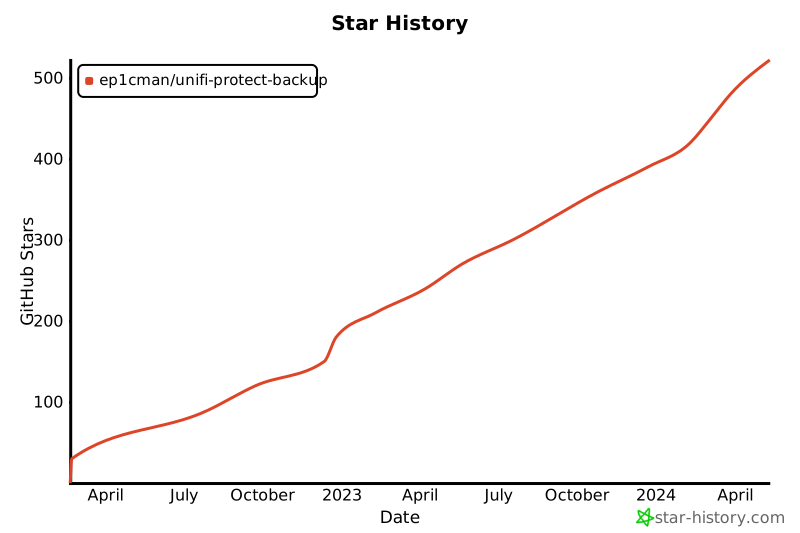](https://star-history.com/#ep1cman/unifi-protect-backup&Date)
|
||||
|
||||
@@ -1,2 +0,0 @@
|
||||
[local]
|
||||
type = local
|
||||
@@ -1,23 +0,0 @@
|
||||
#!/usr/bin/with-contenv bash
|
||||
|
||||
mkdir -p /config/rclone
|
||||
|
||||
# For backwards compatibility
|
||||
[[ -f "/root/.config/rclone/rclone.conf" ]] && \
|
||||
echo "DEPRECATED: Copying rclone conf from /root/.config/rclone/rclone.conf, please change your mount to /config/rclone/rclone.conf"
|
||||
cp \
|
||||
/root/.config/rclone/rclone.conf \
|
||||
/config/rclone/rclone.conf
|
||||
|
||||
# default config file
|
||||
[[ ! -f "/config/rclone/rclone.conf" ]] && \
|
||||
mkdir -p /config/rclone && \
|
||||
cp \
|
||||
/defaults/rclone.conf \
|
||||
/config/rclone/rclone.conf
|
||||
|
||||
chown -R abc:abc \
|
||||
/config
|
||||
|
||||
chown -R abc:abc \
|
||||
/data
|
||||
@@ -1,21 +0,0 @@
|
||||
#!/usr/bin/with-contenv bash
|
||||
|
||||
export RCLONE_CONFIG=/config/rclone/rclone.conf
|
||||
export XDG_CACHE_HOME=/config
|
||||
|
||||
echo $VERBOSITY
|
||||
[[ -n "$VERBOSITY" ]] && export VERBOSITY_ARG=-$VERBOSITY || export VERBOSITY_ARG=""
|
||||
|
||||
# Run without exec to catch the exit code
|
||||
s6-setuidgid abc unifi-protect-backup ${VERBOSITY_ARG}
|
||||
exit_code=$?
|
||||
|
||||
# If exit code is 200 (arg error), exit the container
|
||||
if [ $exit_code -eq 200 ]; then
|
||||
# Send shutdown signal to s6
|
||||
/run/s6/basedir/bin/halt
|
||||
exit $exit_code
|
||||
fi
|
||||
|
||||
# Otherwise, let s6 handle potential restart
|
||||
exit $exit_code
|
||||
11
makefile
11
makefile
@@ -1,15 +1,14 @@
|
||||
sources = unifi_protect_backup
|
||||
container_name ?= ghcr.io/ep1cman/unifi-protect-backup
|
||||
container_arches ?= linux/amd64,linux/arm64
|
||||
|
||||
.PHONY: test format lint unittest coverage pre-commit clean
|
||||
test: format lint unittest
|
||||
|
||||
format:
|
||||
ruff format $(sources) tests
|
||||
isort $(sources) tests
|
||||
black $(sources) tests
|
||||
|
||||
lint:
|
||||
ruff check $(sources) tests
|
||||
flake8 $(sources) tests
|
||||
mypy $(sources) tests
|
||||
|
||||
unittest:
|
||||
@@ -26,7 +25,3 @@ clean:
|
||||
rm -rf *.egg-info
|
||||
rm -rf .tox dist site
|
||||
rm -rf coverage.xml .coverage
|
||||
|
||||
docker:
|
||||
uv build
|
||||
docker buildx build . --platform $(container_arches) -t $(container_name) --push
|
||||
|
||||
1837
poetry.lock
generated
Normal file
1837
poetry.lock
generated
Normal file
File diff suppressed because it is too large
Load Diff
150
pyproject.toml
150
pyproject.toml
@@ -1,82 +1,94 @@
|
||||
[build-system]
|
||||
requires = ["hatchling"]
|
||||
build-backend = "hatchling.build"
|
||||
|
||||
[project]
|
||||
name = "unifi_protect_backup"
|
||||
version = "0.13.1"
|
||||
[tool]
|
||||
[tool.poetry]
|
||||
name = "unifi-protect-backup"
|
||||
version = "0.5.0"
|
||||
homepage = "https://github.com/ep1cman/unifi-protect-backup"
|
||||
description = "Python tool to backup unifi event clips in realtime."
|
||||
authors = ["sebastian.goscik <sebastian@goscik.com>"]
|
||||
readme = "README.md"
|
||||
license = {text = "MIT"}
|
||||
authors = [
|
||||
{name = "sebastian.goscik", email = "sebastian@goscik.com"}
|
||||
license = "MIT"
|
||||
classifiers=[
|
||||
'Development Status :: 2 - Pre-Alpha',
|
||||
'Intended Audience :: Developers',
|
||||
'License :: OSI Approved :: MIT License',
|
||||
'Natural Language :: English',
|
||||
'Programming Language :: Python :: 3',
|
||||
'Programming Language :: Python :: 3.9',
|
||||
]
|
||||
classifiers = [
|
||||
"Development Status :: 5 - Production/Stable",
|
||||
"Intended Audience :: Information Technology",
|
||||
"License :: OSI Approved :: MIT License",
|
||||
"Natural Language :: English",
|
||||
"Programming Language :: Python :: 3",
|
||||
"Programming Language :: Python :: 3.10",
|
||||
]
|
||||
requires-python = ">=3.10.0,<4.0"
|
||||
dependencies = [
|
||||
"click==8.0.1",
|
||||
"aiorun>=2023.7.2",
|
||||
"aiosqlite>=0.17.0",
|
||||
"python-dateutil>=2.8.2",
|
||||
"apprise>=1.5.0",
|
||||
"expiring-dict>=1.1.0",
|
||||
"async-lru>=2.0.4",
|
||||
"aiolimiter>=1.1.0",
|
||||
"uiprotect==7.14.1",
|
||||
"aiohttp==3.11.16",
|
||||
packages = [
|
||||
{ include = "unifi_protect_backup" },
|
||||
{ include = "tests", format = "sdist" },
|
||||
]
|
||||
|
||||
[project.urls]
|
||||
Homepage = "https://github.com/ep1cman/unifi-protect-backup"
|
||||
[tool.poetry.dependencies]
|
||||
python = ">=3.9.0,<4.0"
|
||||
click = "8.0.1"
|
||||
|
||||
[project.scripts]
|
||||
unifi-protect-backup = "unifi_protect_backup.cli:main"
|
||||
black = { version = "^21.5b2", optional = true}
|
||||
isort = { version = "^5.8.0", optional = true}
|
||||
flake8 = { version = "^3.9.2", optional = true}
|
||||
flake8-docstrings = { version = "^1.6.0", optional = true }
|
||||
mypy = {version = "^0.900", optional = true}
|
||||
pytest = { version = "^6.2.4", optional = true}
|
||||
pytest-cov = { version = "^2.12.0", optional = true}
|
||||
tox = { version = "^3.20.1", optional = true}
|
||||
virtualenv = { version = "^20.2.2", optional = true}
|
||||
pip = { version = "^20.3.1", optional = true}
|
||||
twine = { version = "^3.3.0", optional = true}
|
||||
pre-commit = {version = "^2.12.0", optional = true}
|
||||
toml = {version = "^0.10.2", optional = true}
|
||||
bump2version = {version = "^1.0.1", optional = true}
|
||||
tox-asdf = {version = "^0.1.0", optional = true}
|
||||
pyunifiprotect = "^3.2.1"
|
||||
aiocron = "^1.8"
|
||||
|
||||
[dependency-groups]
|
||||
dev = [
|
||||
"mypy>=1.15.0",
|
||||
"types-pytz>=2021.3.5",
|
||||
"types-cryptography>=3.3.18",
|
||||
"types-python-dateutil>=2.8.19.10",
|
||||
"types-aiofiles>=24.1.0.20241221",
|
||||
"bump2version>=1.0.1",
|
||||
"pre-commit>=4.2.0",
|
||||
"ruff>=0.11.4",
|
||||
"pytest>=8.3.5",
|
||||
]
|
||||
[tool.poetry.extras]
|
||||
test = [
|
||||
"pytest",
|
||||
"black",
|
||||
"isort",
|
||||
"mypy",
|
||||
"flake8",
|
||||
"flake8-docstrings",
|
||||
"pytest-cov"
|
||||
]
|
||||
|
||||
[tool.hatch.build.targets.wheel]
|
||||
packages = ["unifi_protect_backup"]
|
||||
dev = ["tox", "pre-commit", "virtualenv", "pip", "twine", "toml", "bump2version", "tox-asdf"]
|
||||
|
||||
[tool.hatch.build.targets.sdist]
|
||||
include = ["unifi_protect_backup", "tests"]
|
||||
[tool.poetry.scripts]
|
||||
unifi-protect-backup = 'unifi_protect_backup.cli:main'
|
||||
|
||||
[tool.ruff]
|
||||
[tool.black]
|
||||
line-length = 120
|
||||
target-version = "py310"
|
||||
skip-string-normalization = true
|
||||
target-version = ['py39']
|
||||
include = '\.pyi?$'
|
||||
exclude = '''
|
||||
/(
|
||||
\.eggs
|
||||
| \.git
|
||||
| \.hg
|
||||
| \.mypy_cache
|
||||
| \.tox
|
||||
| \.venv
|
||||
| _build
|
||||
| buck-out
|
||||
| build
|
||||
| dist
|
||||
)/
|
||||
'''
|
||||
|
||||
[tool.ruff.lint]
|
||||
select = ["E","F","D","B","W"]
|
||||
ignore = ["D203", "D213"]
|
||||
[tool.isort]
|
||||
multi_line_output = 3
|
||||
include_trailing_comma = true
|
||||
force_grid_wrap = 0
|
||||
use_parentheses = true
|
||||
ensure_newline_before_comments = true
|
||||
line_length = 120
|
||||
skip_gitignore = true
|
||||
# you can skip files as below
|
||||
#skip_glob = docs/conf.py
|
||||
|
||||
[tool.ruff.format]
|
||||
quote-style = "double"
|
||||
indent-style = "space"
|
||||
line-ending = "lf"
|
||||
docstring-code-format = true
|
||||
|
||||
[tool.mypy]
|
||||
allow_redefinition = true
|
||||
exclude = [
|
||||
'unifi_protect_backup/uiprotect_patch.py'
|
||||
]
|
||||
|
||||
[tool.uv]
|
||||
default-groups = []
|
||||
[build-system]
|
||||
requires = ["poetry-core>=1.0.0"]
|
||||
build-backend = "poetry.core.masonry.api"
|
||||
|
||||
88
setup.cfg
Normal file
88
setup.cfg
Normal file
@@ -0,0 +1,88 @@
|
||||
[flake8]
|
||||
max-line-length = 120
|
||||
max-complexity = 18
|
||||
ignore = E203, E266, W503
|
||||
docstring-convention = google
|
||||
per-file-ignores = __init__.py:F401
|
||||
exclude = .git,
|
||||
__pycache__,
|
||||
setup.py,
|
||||
build,
|
||||
dist,
|
||||
docs,
|
||||
releases,
|
||||
.venv,
|
||||
.tox,
|
||||
.mypy_cache,
|
||||
.pytest_cache,
|
||||
.vscode,
|
||||
.github,
|
||||
# By default test codes will be linted.
|
||||
# tests
|
||||
|
||||
[mypy]
|
||||
ignore_missing_imports = True
|
||||
|
||||
[coverage:run]
|
||||
# uncomment the following to omit files during running
|
||||
#omit =
|
||||
[coverage:report]
|
||||
exclude_lines =
|
||||
pragma: no cover
|
||||
def __repr__
|
||||
if self.debug:
|
||||
if settings.DEBUG
|
||||
raise AssertionError
|
||||
raise NotImplementedError
|
||||
if 0:
|
||||
if __name__ == .__main__.:
|
||||
def main
|
||||
|
||||
[tox:tox]
|
||||
isolated_build = true
|
||||
envlist = py39, format, lint, build
|
||||
|
||||
[gh-actions]
|
||||
python =
|
||||
3.9: py39, format, lint, build
|
||||
|
||||
[testenv]
|
||||
allowlist_externals = pytest
|
||||
extras =
|
||||
test
|
||||
passenv = *
|
||||
setenv =
|
||||
PYTHONPATH = {toxinidir}
|
||||
PYTHONWARNINGS = ignore
|
||||
commands =
|
||||
pytest --cov=unifi_protect_backup --cov-branch --cov-report=xml --cov-report=term-missing tests
|
||||
|
||||
[testenv:format]
|
||||
allowlist_externals =
|
||||
isort
|
||||
black
|
||||
extras =
|
||||
test
|
||||
commands =
|
||||
isort unifi_protect_backup
|
||||
black unifi_protect_backup tests
|
||||
|
||||
[testenv:lint]
|
||||
allowlist_externals =
|
||||
flake8
|
||||
mypy
|
||||
extras =
|
||||
test
|
||||
commands =
|
||||
flake8 unifi_protect_backup tests
|
||||
mypy unifi_protect_backup tests
|
||||
|
||||
[testenv:build]
|
||||
allowlist_externals =
|
||||
poetry
|
||||
twine
|
||||
extras =
|
||||
dev
|
||||
commands =
|
||||
poetry build
|
||||
twine check dist/*
|
||||
@@ -1,7 +1,7 @@
|
||||
#!/usr/bin/env python
|
||||
"""Tests for `unifi_protect_backup` package."""
|
||||
|
||||
import pytest # type: ignore
|
||||
import pytest
|
||||
|
||||
# from click.testing import CliRunner
|
||||
|
||||
|
||||
@@ -1,22 +1,7 @@
|
||||
"""Top-level package for Unifi Protect Backup."""
|
||||
|
||||
__author__ = """sebastian.goscik"""
|
||||
__email__ = "sebastian@goscik.com"
|
||||
__version__ = "0.13.1"
|
||||
__email__ = 'sebastian@goscik.com'
|
||||
__version__ = '0.5.0'
|
||||
|
||||
from .downloader import VideoDownloader
|
||||
from .downloader_experimental import VideoDownloaderExperimental
|
||||
from .event_listener import EventListener
|
||||
from .purge import Purge, StorageQuotaPurge
|
||||
from .uploader import VideoUploader
|
||||
from .missing_event_checker import MissingEventChecker
|
||||
|
||||
__all__ = [
|
||||
"VideoDownloader",
|
||||
"VideoDownloaderExperimental",
|
||||
"EventListener",
|
||||
"Purge",
|
||||
"StorageQuotaPurge",
|
||||
"VideoUploader",
|
||||
"MissingEventChecker",
|
||||
]
|
||||
from .unifi_protect_backup import UnifiProtectBackup
|
||||
|
||||
@@ -1,137 +1,56 @@
|
||||
"""Console script for unifi_protect_backup."""
|
||||
|
||||
import sys
|
||||
import re
|
||||
import asyncio
|
||||
|
||||
import click
|
||||
from aiorun import run # type: ignore
|
||||
from dateutil.relativedelta import relativedelta
|
||||
|
||||
from uiprotect.data.types import SmartDetectObjectType
|
||||
|
||||
from unifi_protect_backup import __version__
|
||||
from unifi_protect_backup.unifi_protect_backup_core import UnifiProtectBackup
|
||||
from unifi_protect_backup.utils import human_readable_to_float
|
||||
|
||||
DETECTION_TYPES = ["motion", "ring", "line"] + SmartDetectObjectType.values()
|
||||
from unifi_protect_backup import UnifiProtectBackup, __version__
|
||||
|
||||
|
||||
def _parse_detection_types(ctx, param, value):
|
||||
# split columns by ',' and remove whitespace
|
||||
types = [t.strip() for t in value.split(",")]
|
||||
|
||||
# validate passed columns
|
||||
for t in types:
|
||||
if t not in DETECTION_TYPES:
|
||||
raise click.BadOptionUsage("detection-types", f"`{t}` is not an available detection type.", ctx)
|
||||
|
||||
return types
|
||||
|
||||
|
||||
def parse_rclone_retention(ctx, param, retention) -> relativedelta:
|
||||
"""Parse the rclone `retention` parameter into a relativedelta which can then be used to calculate datetimes."""
|
||||
matches = {k: int(v) for v, k in re.findall(r"([\d]+)(ms|s|m|h|d|w|M|y)", retention)}
|
||||
|
||||
# Check that we matched the whole string
|
||||
if len(retention) != len("".join([f"{v}{k}" for k, v in matches.items()])):
|
||||
raise click.BadParameter("See here for expected format: https://rclone.org/docs/#time-option")
|
||||
|
||||
return relativedelta(
|
||||
microseconds=matches.get("ms", 0) * 1000,
|
||||
seconds=matches.get("s", 0),
|
||||
minutes=matches.get("m", 0),
|
||||
hours=matches.get("h", 0),
|
||||
days=matches.get("d", 0),
|
||||
weeks=matches.get("w", 0),
|
||||
months=matches.get("M", 0),
|
||||
years=matches.get("y", 0),
|
||||
)
|
||||
|
||||
|
||||
@click.command(context_settings=dict(max_content_width=100))
|
||||
@click.command()
|
||||
@click.version_option(__version__)
|
||||
@click.option("--address", required=True, envvar="UFP_ADDRESS", help="Address of Unifi Protect instance")
|
||||
@click.option("--port", default=443, envvar="UFP_PORT", show_default=True, help="Port of Unifi Protect instance")
|
||||
@click.option("--username", required=True, envvar="UFP_USERNAME", help="Username to login to Unifi Protect instance")
|
||||
@click.option("--password", required=True, envvar="UFP_PASSWORD", help="Password for Unifi Protect user")
|
||||
@click.option('--address', required=True, envvar='UFP_ADDRESS', help='Address of Unifi Protect instance')
|
||||
@click.option('--port', default=443, envvar='UFP_PORT', help='Port of Unifi Protect instance')
|
||||
@click.option('--username', required=True, envvar='UFP_USERNAME', help='Username to login to Unifi Protect instance')
|
||||
@click.option('--password', required=True, envvar='UFP_PASSWORD', help='Password for Unifi Protect user')
|
||||
@click.option(
|
||||
"--verify-ssl/--no-verify-ssl",
|
||||
'--verify-ssl/--no-verify-ssl',
|
||||
default=True,
|
||||
show_default=True,
|
||||
envvar="UFP_SSL_VERIFY",
|
||||
envvar='UFP_SSL_VERIFY',
|
||||
help="Set if you do not have a valid HTTPS Certificate for your instance",
|
||||
)
|
||||
@click.option(
|
||||
"--rclone-destination",
|
||||
'--rclone-destination',
|
||||
required=True,
|
||||
envvar="RCLONE_DESTINATION",
|
||||
envvar='RCLONE_DESTINATION',
|
||||
help="`rclone` destination path in the format {rclone remote}:{path on remote}."
|
||||
" E.g. `gdrive:/backups/unifi_protect`",
|
||||
)
|
||||
@click.option(
|
||||
"--retention",
|
||||
default="7d",
|
||||
show_default=True,
|
||||
envvar="RCLONE_RETENTION",
|
||||
help="How long should event clips be backed up for. Format as per the `--max-age` argument of `rclone` "
|
||||
"(https://rclone.org/filtering/#max-age-don-t-transfer-any-file-older-than-this)",
|
||||
callback=parse_rclone_retention,
|
||||
'--retention',
|
||||
default='7d',
|
||||
envvar='RCLONE_RETENTION',
|
||||
help="How long should event clips be backed up for. Format as per the `--max-age` argument of "
|
||||
"`rclone` (https://rclone.org/filtering/#max-age-don-t-transfer-any-file-older-than-this)",
|
||||
)
|
||||
@click.option(
|
||||
"--rclone-args",
|
||||
default="",
|
||||
envvar="RCLONE_ARGS",
|
||||
'--rclone-args',
|
||||
default='',
|
||||
envvar='RCLONE_ARGS',
|
||||
help="Optional extra arguments to pass to `rclone rcat` directly. Common usage for this would "
|
||||
"be to set a bandwidth limit, for example.",
|
||||
)
|
||||
@click.option(
|
||||
"--rclone-purge-args",
|
||||
default="",
|
||||
envvar="RCLONE_PURGE_ARGS",
|
||||
help="Optional extra arguments to pass to `rclone delete` directly. Common usage for this would "
|
||||
"be to execute a permanent delete instead of using the recycle bin on a destination. "
|
||||
"Google Drive example: `--drive-use-trash=false`",
|
||||
)
|
||||
@click.option(
|
||||
"--detection-types",
|
||||
envvar="DETECTION_TYPES",
|
||||
default=",".join(DETECTION_TYPES),
|
||||
show_default=True,
|
||||
help="A comma separated list of which types of detections to backup. "
|
||||
f"Valid options are: {', '.join([f'`{t}`' for t in DETECTION_TYPES])}",
|
||||
callback=_parse_detection_types,
|
||||
)
|
||||
@click.option(
|
||||
"--ignore-camera",
|
||||
"ignore_cameras",
|
||||
'--ignore-camera',
|
||||
'ignore_cameras',
|
||||
multiple=True,
|
||||
envvar="IGNORE_CAMERAS",
|
||||
help="IDs of cameras for which events should not be backed up. Use multiple times to ignore "
|
||||
"multiple IDs. If being set as an environment variable the IDs should be separated by whitespace. "
|
||||
"Alternatively, use a Unifi user with a role which has access restricted to the subset of cameras "
|
||||
"that you wish to backup.",
|
||||
"multiple IDs. If being set as an environment variable the IDs should be separated by whitespace.",
|
||||
)
|
||||
@click.option(
|
||||
"--camera",
|
||||
"cameras",
|
||||
multiple=True,
|
||||
envvar="CAMERAS",
|
||||
help="IDs of *ONLY* cameras for which events should be backed up. Use multiple times to include "
|
||||
"multiple IDs. If being set as an environment variable the IDs should be separated by whitespace. "
|
||||
"Alternatively, use a Unifi user with a role which has access restricted to the subset of cameras "
|
||||
"that you wish to backup.",
|
||||
)
|
||||
@click.option(
|
||||
"--file-structure-format",
|
||||
envvar="FILE_STRUCTURE_FORMAT",
|
||||
default="{camera_name}/{event.start:%Y-%m-%d}/{event.end:%Y-%m-%dT%H-%M-%S} {detection_type}.mp4",
|
||||
show_default=True,
|
||||
help="A Python format string used to generate the file structure/name on the rclone remote."
|
||||
"For details of the fields available, see the projects `README.md` file.",
|
||||
)
|
||||
@click.option(
|
||||
"-v",
|
||||
"--verbose",
|
||||
'-v',
|
||||
'--verbose',
|
||||
count=True,
|
||||
help="How verbose the logging output should be."
|
||||
"""
|
||||
@@ -150,129 +69,11 @@ all warnings, and websocket data
|
||||
-vvvvv: Log websocket data, command output, all debug messages, all info messages and all warnings
|
||||
""",
|
||||
)
|
||||
@click.option(
|
||||
"--sqlite_path",
|
||||
default="events.sqlite",
|
||||
envvar="SQLITE_PATH",
|
||||
help="Path to the SQLite database to use/create",
|
||||
)
|
||||
@click.option(
|
||||
"--color-logging/--plain-logging",
|
||||
default=False,
|
||||
show_default=True,
|
||||
envvar="COLOR_LOGGING",
|
||||
help="Set if you want to use color in logging output",
|
||||
)
|
||||
@click.option(
|
||||
"--download-buffer-size",
|
||||
default="512MiB",
|
||||
show_default=True,
|
||||
envvar="DOWNLOAD_BUFFER_SIZE",
|
||||
help='How big the download buffer should be (you can use suffixes like "B", "KiB", "MiB", "GiB")',
|
||||
callback=lambda ctx, param, value: int(human_readable_to_float(value)),
|
||||
)
|
||||
@click.option(
|
||||
"--purge_interval",
|
||||
default="1d",
|
||||
show_default=True,
|
||||
envvar="PURGE_INTERVAL",
|
||||
help="How frequently to check for file to purge.\n\nNOTE: Can create a lot of API calls, so be careful if "
|
||||
"your cloud provider charges you per api call",
|
||||
callback=parse_rclone_retention,
|
||||
)
|
||||
@click.option(
|
||||
"--apprise-notifier",
|
||||
"apprise_notifiers",
|
||||
multiple=True,
|
||||
envvar="APPRISE_NOTIFIERS",
|
||||
help="""\b
|
||||
Apprise URL for sending notifications.
|
||||
E.g: ERROR,WARNING=tgram://[BOT KEY]/[CHAT ID]
|
||||
|
||||
You can use this parameter multiple times to use more than one notification platform.
|
||||
|
||||
The following notification tags are available (corresponding to the respective logging levels):
|
||||
|
||||
ERROR, WARNING, INFO, DEBUG, EXTRA_DEBUG, WEBSOCKET_DATA
|
||||
|
||||
If no tags are specified, it defaults to ERROR
|
||||
|
||||
More details about supported platforms can be found here: https://github.com/caronc/apprise""",
|
||||
)
|
||||
@click.option(
|
||||
"--skip-missing",
|
||||
default=False,
|
||||
show_default=True,
|
||||
is_flag=True,
|
||||
envvar="SKIP_MISSING",
|
||||
help="""\b
|
||||
If set, events which are 'missing' at the start will be ignored.
|
||||
Subsequent missing events will be downloaded (e.g. a missed event)
|
||||
""",
|
||||
)
|
||||
@click.option(
|
||||
"--download-rate-limit",
|
||||
default=None,
|
||||
show_default=True,
|
||||
envvar="DOWNLOAD_RATELIMIT",
|
||||
type=float,
|
||||
help="Limit how events can be downloaded in one minute. Disabled by default",
|
||||
)
|
||||
@click.option(
|
||||
"--max-event-length",
|
||||
default=2 * 60 * 60,
|
||||
show_default=True,
|
||||
envvar="MAX_EVENT_LENGTH",
|
||||
type=int,
|
||||
help="Only download events shorter than this maximum length, in seconds",
|
||||
)
|
||||
@click.option(
|
||||
"--experimental-downloader",
|
||||
"use_experimental_downloader",
|
||||
default=False,
|
||||
show_default=True,
|
||||
is_flag=True,
|
||||
envvar="EXPERIMENTAL_DOWNLOADER",
|
||||
help="""\b
|
||||
If set, a new experimental download mechanism will be used to match
|
||||
what the web UI does. This might be more stable if you are experiencing
|
||||
a lot of failed downloads with the default downloader.
|
||||
""",
|
||||
)
|
||||
@click.option(
|
||||
"--parallel-uploads",
|
||||
default=1,
|
||||
show_default=True,
|
||||
envvar="PARALLEL_UPLOADS",
|
||||
type=int,
|
||||
help="Max number of parallel uploads to allow",
|
||||
)
|
||||
@click.option(
|
||||
"--storage-quota",
|
||||
envvar="STORAGE_QUOTA",
|
||||
help='The maximum amount of storage to use for storing clips (you can use suffixes like "B", "KiB", "MiB", "GiB")',
|
||||
callback=lambda ctx, param, value: int(human_readable_to_float(value)),
|
||||
)
|
||||
def main(**kwargs):
|
||||
"""Python based tool for backing up Unifi Protect event clips as they occur."""
|
||||
try:
|
||||
# Validate only one of the camera select arguments was given
|
||||
if kwargs.get("cameras") and kwargs.get("ignore_cameras"):
|
||||
click.echo(
|
||||
"Error: --camera and --ignore-camera options are mutually exclusive. "
|
||||
"Please use only one of these options.",
|
||||
err=True,
|
||||
)
|
||||
raise SystemExit(200) # throw 200 = arg error, service will not be restarted (docker)
|
||||
|
||||
# Only create the event listener and run if validation passes
|
||||
event_listener = UnifiProtectBackup(**kwargs)
|
||||
run(event_listener.start(), stop_on_unhandled_errors=True)
|
||||
except SystemExit as e:
|
||||
sys.exit(e.code)
|
||||
except Exception as e:
|
||||
click.echo(f"Error: {str(e)}", err=True)
|
||||
sys.exit(1)
|
||||
"""A Python based tool for backing up Unifi Protect event clips as they occur."""
|
||||
loop = asyncio.get_event_loop()
|
||||
event_listener = UnifiProtectBackup(**kwargs)
|
||||
loop.run_until_complete(event_listener.start())
|
||||
|
||||
|
||||
if __name__ == "__main__":
|
||||
|
||||
@@ -1,228 +0,0 @@
|
||||
# noqa: D100
|
||||
|
||||
import asyncio
|
||||
import json
|
||||
import logging
|
||||
import shutil
|
||||
from datetime import datetime, timedelta, timezone
|
||||
from typing import Optional
|
||||
|
||||
import aiosqlite
|
||||
import pytz
|
||||
from aiohttp.client_exceptions import ClientPayloadError
|
||||
from aiolimiter import AsyncLimiter
|
||||
from expiring_dict import ExpiringDict # type: ignore
|
||||
from uiprotect import ProtectApiClient
|
||||
from uiprotect.data.nvr import Event
|
||||
from uiprotect.data.types import EventType
|
||||
|
||||
from unifi_protect_backup.utils import (
|
||||
SubprocessException,
|
||||
VideoQueue,
|
||||
get_camera_name,
|
||||
human_readable_size,
|
||||
run_command,
|
||||
setup_event_logger,
|
||||
)
|
||||
|
||||
|
||||
async def get_video_length(video: bytes) -> float:
|
||||
"""Use ffprobe to get the length of the video file passed in as a byte stream."""
|
||||
returncode, stdout, stderr = await run_command(
|
||||
"ffprobe -v quiet -show_streams -select_streams v:0 -of json -", video
|
||||
)
|
||||
|
||||
if returncode != 0:
|
||||
raise SubprocessException(stdout, stderr, returncode)
|
||||
|
||||
json_data = json.loads(stdout)
|
||||
return float(json_data["streams"][0]["duration"])
|
||||
|
||||
|
||||
class VideoDownloader:
|
||||
"""Downloads event video clips from Unifi Protect."""
|
||||
|
||||
def __init__(
|
||||
self,
|
||||
protect: ProtectApiClient,
|
||||
db: aiosqlite.Connection,
|
||||
download_queue: asyncio.Queue,
|
||||
upload_queue: VideoQueue,
|
||||
color_logging: bool,
|
||||
download_rate_limit: float,
|
||||
max_event_length: timedelta,
|
||||
):
|
||||
"""Init.
|
||||
|
||||
Args:
|
||||
protect (ProtectApiClient): UniFi Protect API client to use
|
||||
db (aiosqlite.Connection): Async SQLite database to check for missing events
|
||||
download_queue (asyncio.Queue): Queue to get event details from
|
||||
upload_queue (VideoQueue): Queue to place downloaded videos on
|
||||
color_logging (bool): Whether or not to add color to logging output
|
||||
download_rate_limit (float): Limit how events can be downloaded in one minute",
|
||||
max_event_length (timedelta): Maximum length in seconds for an event to be considered valid and downloaded
|
||||
|
||||
"""
|
||||
self._protect: ProtectApiClient = protect
|
||||
self._db: aiosqlite.Connection = db
|
||||
self.download_queue: asyncio.Queue = download_queue
|
||||
self.upload_queue: VideoQueue = upload_queue
|
||||
self.current_event = None
|
||||
self._failures = ExpiringDict(60 * 60 * 12) # Time to live = 12h
|
||||
self._download_rate_limit = download_rate_limit
|
||||
self._max_event_length = max_event_length
|
||||
self._limiter = AsyncLimiter(self._download_rate_limit) if self._download_rate_limit is not None else None
|
||||
|
||||
self.base_logger = logging.getLogger(__name__)
|
||||
setup_event_logger(self.base_logger, color_logging)
|
||||
self.logger = logging.LoggerAdapter(self.base_logger, {"event": ""})
|
||||
|
||||
# Check if `ffprobe` is available
|
||||
ffprobe = shutil.which("ffprobe")
|
||||
if ffprobe is not None:
|
||||
self.logger.debug(f"ffprobe found: {ffprobe}")
|
||||
self._has_ffprobe = True
|
||||
else:
|
||||
self._has_ffprobe = False
|
||||
|
||||
async def start(self):
|
||||
"""Run main loop."""
|
||||
self.logger.info("Starting Downloader")
|
||||
while True:
|
||||
if self._limiter:
|
||||
self.logger.debug("Waiting for rate limit")
|
||||
await self._limiter.acquire()
|
||||
|
||||
try:
|
||||
# Wait for unifi protect to be connected
|
||||
await self._protect.connect_event.wait()
|
||||
|
||||
event = await self.download_queue.get()
|
||||
|
||||
self.current_event = event
|
||||
self.logger = logging.LoggerAdapter(self.base_logger, {"event": f" [{event.id}]"})
|
||||
|
||||
# Fix timezones since uiprotect sets all timestamps to UTC. Instead localize them to
|
||||
# the timezone of the unifi protect NVR.
|
||||
event.start = event.start.replace(tzinfo=pytz.utc).astimezone(self._protect.bootstrap.nvr.timezone)
|
||||
event.end = event.end.replace(tzinfo=pytz.utc).astimezone(self._protect.bootstrap.nvr.timezone)
|
||||
|
||||
self.logger.info(f"Downloading event: {event.id}")
|
||||
self.logger.debug(f"Remaining Download Queue: {self.download_queue.qsize()}")
|
||||
output_queue_current_size = human_readable_size(self.upload_queue.qsize())
|
||||
output_queue_max_size = human_readable_size(self.upload_queue.maxsize)
|
||||
self.logger.debug(f"Video Download Buffer: {output_queue_current_size}/{output_queue_max_size}")
|
||||
self.logger.debug(f" Camera: {await get_camera_name(self._protect, event.camera_id)}")
|
||||
if event.type == EventType.SMART_DETECT:
|
||||
self.logger.debug(f" Type: {event.type.value} ({', '.join(event.smart_detect_types)})")
|
||||
else:
|
||||
self.logger.debug(f" Type: {event.type.value}")
|
||||
self.logger.debug(f" Start: {event.start.strftime('%Y-%m-%dT%H-%M-%S')} ({event.start.timestamp()})")
|
||||
self.logger.debug(f" End: {event.end.strftime('%Y-%m-%dT%H-%M-%S')} ({event.end.timestamp()})")
|
||||
duration = (event.end - event.start).total_seconds()
|
||||
self.logger.debug(f" Duration: {duration}s")
|
||||
|
||||
# Skip invalid events
|
||||
if not self._valid_event(event):
|
||||
await self._ignore_event(event)
|
||||
continue
|
||||
|
||||
# Unifi protect does not return full video clips if the clip is requested too soon.
|
||||
# There are two issues at play here:
|
||||
# - Protect will only cut a clip on an keyframe which happen every 5s
|
||||
# - Protect's pipeline needs a finite amount of time to make a clip available
|
||||
# So we will wait 1.5x the keyframe interval to ensure that there is always ample video
|
||||
# stored and Protect can return a full clip (which should be at least the length requested,
|
||||
# but often longer)
|
||||
time_since_event_ended = datetime.utcnow().replace(tzinfo=timezone.utc) - event.end
|
||||
sleep_time = (timedelta(seconds=5 * 1.5) - time_since_event_ended).total_seconds()
|
||||
if sleep_time > 0:
|
||||
self.logger.debug(f" Sleeping ({sleep_time}s) to ensure clip is ready to download...")
|
||||
await asyncio.sleep(sleep_time)
|
||||
|
||||
try:
|
||||
video = await self._download(event)
|
||||
assert video is not None
|
||||
except Exception as e:
|
||||
# Increment failure count
|
||||
if event.id not in self._failures:
|
||||
self._failures[event.id] = 1
|
||||
else:
|
||||
self._failures[event.id] += 1
|
||||
self.logger.warning(f"Event failed download attempt {self._failures[event.id]}", exc_info=e)
|
||||
|
||||
if self._failures[event.id] >= 10:
|
||||
self.logger.error(
|
||||
"Event has failed to download 10 times in a row. Permanently ignoring this event"
|
||||
)
|
||||
await self._ignore_event(event)
|
||||
continue
|
||||
|
||||
# Remove successfully downloaded event from failures list
|
||||
if event.id in self._failures:
|
||||
del self._failures[event.id]
|
||||
|
||||
# Get the actual length of the downloaded video using ffprobe
|
||||
if self._has_ffprobe:
|
||||
await self._check_video_length(video, duration)
|
||||
|
||||
await self.upload_queue.put((event, video))
|
||||
self.logger.debug("Added to upload queue")
|
||||
self.current_event = None
|
||||
|
||||
except Exception as e:
|
||||
self.logger.error(f"Unexpected exception occurred, abandoning event {event.id}:", exc_info=e)
|
||||
|
||||
async def _download(self, event: Event) -> Optional[bytes]:
|
||||
"""Download the video clip for the given event."""
|
||||
self.logger.debug(" Downloading video...")
|
||||
for x in range(5):
|
||||
assert isinstance(event.camera_id, str)
|
||||
assert isinstance(event.start, datetime)
|
||||
assert isinstance(event.end, datetime)
|
||||
try:
|
||||
video = await self._protect.get_camera_video(event.camera_id, event.start, event.end)
|
||||
assert isinstance(video, bytes)
|
||||
break
|
||||
except (AssertionError, ClientPayloadError, TimeoutError) as e:
|
||||
self.logger.warning(f" Failed download attempt {x + 1}, retying in 1s", exc_info=e)
|
||||
await asyncio.sleep(1)
|
||||
else:
|
||||
self.logger.error(f"Download failed after 5 attempts, abandoning event {event.id}:")
|
||||
return None
|
||||
|
||||
self.logger.debug(f" Downloaded video size: {human_readable_size(len(video))}s")
|
||||
return video
|
||||
|
||||
async def _ignore_event(self, event):
|
||||
self.logger.warning("Ignoring event")
|
||||
await self._db.execute(
|
||||
"INSERT INTO events VALUES "
|
||||
f"('{event.id}', '{event.type.value}', '{event.camera_id}',"
|
||||
f"'{event.start.timestamp()}', '{event.end.timestamp()}')"
|
||||
)
|
||||
await self._db.commit()
|
||||
|
||||
async def _check_video_length(self, video, duration):
|
||||
"""Check if the downloaded event is at least the length of the event, warn otherwise.
|
||||
|
||||
It is expected for events to regularly be slightly longer than the event specified
|
||||
"""
|
||||
try:
|
||||
downloaded_duration = await get_video_length(video)
|
||||
msg = f" Downloaded video length: {downloaded_duration:.3f}s ({downloaded_duration - duration:+.3f}s)"
|
||||
if downloaded_duration < duration:
|
||||
self.logger.warning(msg)
|
||||
else:
|
||||
self.logger.debug(msg)
|
||||
except SubprocessException as e:
|
||||
self.logger.warning(" `ffprobe` failed", exc_info=e)
|
||||
|
||||
def _valid_event(self, event):
|
||||
duration = event.end - event.start
|
||||
if duration > self._max_event_length:
|
||||
self.logger.warning(f"Event longer ({duration}) than max allowed length {self._max_event_length}")
|
||||
return False
|
||||
|
||||
return True
|
||||
@@ -1,239 +0,0 @@
|
||||
# noqa: D100
|
||||
|
||||
import asyncio
|
||||
import json
|
||||
import logging
|
||||
import shutil
|
||||
from datetime import datetime, timedelta, timezone
|
||||
from typing import Optional
|
||||
|
||||
import aiosqlite
|
||||
import pytz
|
||||
from aiohttp.client_exceptions import ClientPayloadError
|
||||
from aiolimiter import AsyncLimiter
|
||||
from expiring_dict import ExpiringDict # type: ignore
|
||||
from uiprotect import ProtectApiClient
|
||||
from uiprotect.data.nvr import Event
|
||||
from uiprotect.data.types import EventType
|
||||
|
||||
from unifi_protect_backup.utils import (
|
||||
SubprocessException,
|
||||
VideoQueue,
|
||||
get_camera_name,
|
||||
human_readable_size,
|
||||
run_command,
|
||||
setup_event_logger,
|
||||
)
|
||||
|
||||
|
||||
async def get_video_length(video: bytes) -> float:
|
||||
"""Use ffprobe to get the length of the video file passed in as a byte stream."""
|
||||
returncode, stdout, stderr = await run_command(
|
||||
"ffprobe -v quiet -show_streams -select_streams v:0 -of json -", video
|
||||
)
|
||||
|
||||
if returncode != 0:
|
||||
raise SubprocessException(stdout, stderr, returncode)
|
||||
|
||||
json_data = json.loads(stdout)
|
||||
return float(json_data["streams"][0]["duration"])
|
||||
|
||||
|
||||
class VideoDownloaderExperimental:
|
||||
"""Downloads event video clips from Unifi Protect."""
|
||||
|
||||
def __init__(
|
||||
self,
|
||||
protect: ProtectApiClient,
|
||||
db: aiosqlite.Connection,
|
||||
download_queue: asyncio.Queue,
|
||||
upload_queue: VideoQueue,
|
||||
color_logging: bool,
|
||||
download_rate_limit: float,
|
||||
max_event_length: timedelta,
|
||||
):
|
||||
"""Init.
|
||||
|
||||
Args:
|
||||
protect (ProtectApiClient): UniFi Protect API client to use
|
||||
db (aiosqlite.Connection): Async SQLite database to check for missing events
|
||||
download_queue (asyncio.Queue): Queue to get event details from
|
||||
upload_queue (VideoQueue): Queue to place downloaded videos on
|
||||
color_logging (bool): Whether or not to add color to logging output
|
||||
download_rate_limit (float): Limit how events can be downloaded in one minute",
|
||||
max_event_length (timedelta): Maximum length in seconds for an event to be considered valid and downloaded
|
||||
|
||||
"""
|
||||
self._protect: ProtectApiClient = protect
|
||||
self._db: aiosqlite.Connection = db
|
||||
self.download_queue: asyncio.Queue = download_queue
|
||||
self.upload_queue: VideoQueue = upload_queue
|
||||
self.current_event = None
|
||||
self._failures = ExpiringDict(60 * 60 * 12) # Time to live = 12h
|
||||
self._download_rate_limit = download_rate_limit
|
||||
self._max_event_length = max_event_length
|
||||
self._limiter = AsyncLimiter(self._download_rate_limit) if self._download_rate_limit is not None else None
|
||||
|
||||
self.base_logger = logging.getLogger(__name__)
|
||||
setup_event_logger(self.base_logger, color_logging)
|
||||
self.logger = logging.LoggerAdapter(self.base_logger, {"event": ""})
|
||||
|
||||
# Check if `ffprobe` is available
|
||||
ffprobe = shutil.which("ffprobe")
|
||||
if ffprobe is not None:
|
||||
self.logger.debug(f"ffprobe found: {ffprobe}")
|
||||
self._has_ffprobe = True
|
||||
else:
|
||||
self._has_ffprobe = False
|
||||
|
||||
async def start(self):
|
||||
"""Run main loop."""
|
||||
self.logger.info("Starting Downloader")
|
||||
while True:
|
||||
if self._limiter:
|
||||
self.logger.debug("Waiting for rate limit")
|
||||
await self._limiter.acquire()
|
||||
|
||||
try:
|
||||
# Wait for unifi protect to be connected
|
||||
await self._protect.connect_event.wait()
|
||||
|
||||
event = await self.download_queue.get()
|
||||
|
||||
self.current_event = event
|
||||
self.logger = logging.LoggerAdapter(self.base_logger, {"event": f" [{event.id}]"})
|
||||
|
||||
# Fix timezones since uiprotect sets all timestamps to UTC. Instead localize them to
|
||||
# the timezone of the unifi protect NVR.
|
||||
event.start = event.start.replace(tzinfo=pytz.utc).astimezone(self._protect.bootstrap.nvr.timezone)
|
||||
event.end = event.end.replace(tzinfo=pytz.utc).astimezone(self._protect.bootstrap.nvr.timezone)
|
||||
|
||||
self.logger.info(f"Downloading event: {event.id}")
|
||||
self.logger.debug(f"Remaining Download Queue: {self.download_queue.qsize()}")
|
||||
output_queue_current_size = human_readable_size(self.upload_queue.qsize())
|
||||
output_queue_max_size = human_readable_size(self.upload_queue.maxsize)
|
||||
self.logger.debug(f"Video Download Buffer: {output_queue_current_size}/{output_queue_max_size}")
|
||||
self.logger.debug(f" Camera: {await get_camera_name(self._protect, event.camera_id)}")
|
||||
if event.type == EventType.SMART_DETECT:
|
||||
self.logger.debug(f" Type: {event.type.value} ({', '.join(event.smart_detect_types)})")
|
||||
else:
|
||||
self.logger.debug(f" Type: {event.type.value}")
|
||||
self.logger.debug(f" Start: {event.start.strftime('%Y-%m-%dT%H-%M-%S')} ({event.start.timestamp()})")
|
||||
self.logger.debug(f" End: {event.end.strftime('%Y-%m-%dT%H-%M-%S')} ({event.end.timestamp()})")
|
||||
duration = (event.end - event.start).total_seconds()
|
||||
self.logger.debug(f" Duration: {duration}s")
|
||||
|
||||
# Skip invalid events
|
||||
if not self._valid_event(event):
|
||||
await self._ignore_event(event)
|
||||
continue
|
||||
|
||||
# Unifi protect does not return full video clips if the clip is requested too soon.
|
||||
# There are two issues at play here:
|
||||
# - Protect will only cut a clip on an keyframe which happen every 5s
|
||||
# - Protect's pipeline needs a finite amount of time to make a clip available
|
||||
# So we will wait 1.5x the keyframe interval to ensure that there is always ample video
|
||||
# stored and Protect can return a full clip (which should be at least the length requested,
|
||||
# but often longer)
|
||||
time_since_event_ended = datetime.utcnow().replace(tzinfo=timezone.utc) - event.end
|
||||
sleep_time = (timedelta(seconds=5 * 1.5) - time_since_event_ended).total_seconds()
|
||||
if sleep_time > 0:
|
||||
self.logger.debug(f" Sleeping ({sleep_time}s) to ensure clip is ready to download...")
|
||||
await asyncio.sleep(sleep_time)
|
||||
|
||||
try:
|
||||
video = await self._download(event)
|
||||
assert video is not None
|
||||
except Exception as e:
|
||||
# Increment failure count
|
||||
if event.id not in self._failures:
|
||||
self._failures[event.id] = 1
|
||||
else:
|
||||
self._failures[event.id] += 1
|
||||
self.logger.warning(
|
||||
f"Event failed download attempt {self._failures[event.id]}",
|
||||
exc_info=e,
|
||||
)
|
||||
|
||||
if self._failures[event.id] >= 10:
|
||||
self.logger.error(
|
||||
"Event has failed to download 10 times in a row. Permanently ignoring this event"
|
||||
)
|
||||
await self._ignore_event(event)
|
||||
continue
|
||||
|
||||
# Remove successfully downloaded event from failures list
|
||||
if event.id in self._failures:
|
||||
del self._failures[event.id]
|
||||
|
||||
# Get the actual length of the downloaded video using ffprobe
|
||||
if self._has_ffprobe:
|
||||
await self._check_video_length(video, duration)
|
||||
|
||||
await self.upload_queue.put((event, video))
|
||||
self.logger.debug("Added to upload queue")
|
||||
self.current_event = None
|
||||
|
||||
except Exception as e:
|
||||
self.logger.error(
|
||||
f"Unexpected exception occurred, abandoning event {event.id}:",
|
||||
exc_info=e,
|
||||
)
|
||||
|
||||
async def _download(self, event: Event) -> Optional[bytes]:
|
||||
"""Download the video clip for the given event."""
|
||||
self.logger.debug(" Downloading video...")
|
||||
for x in range(5):
|
||||
assert isinstance(event.camera_id, str)
|
||||
assert isinstance(event.start, datetime)
|
||||
assert isinstance(event.end, datetime)
|
||||
try:
|
||||
prepared_video_file = await self._protect.prepare_camera_video( # type: ignore
|
||||
event.camera_id, event.start, event.end
|
||||
)
|
||||
video = await self._protect.download_camera_video( # type: ignore
|
||||
event.camera_id, prepared_video_file["fileName"]
|
||||
)
|
||||
assert isinstance(video, bytes)
|
||||
break
|
||||
except (AssertionError, ClientPayloadError, TimeoutError) as e:
|
||||
self.logger.warning(f" Failed download attempt {x + 1}, retying in 1s", exc_info=e)
|
||||
await asyncio.sleep(1)
|
||||
else:
|
||||
self.logger.error(f"Download failed after 5 attempts, abandoning event {event.id}:")
|
||||
return None
|
||||
|
||||
self.logger.debug(f" Downloaded video size: {human_readable_size(len(video))}s")
|
||||
return video
|
||||
|
||||
async def _ignore_event(self, event):
|
||||
self.logger.warning("Ignoring event")
|
||||
await self._db.execute(
|
||||
"INSERT INTO events VALUES "
|
||||
f"('{event.id}', '{event.type.value}', '{event.camera_id}',"
|
||||
f"'{event.start.timestamp()}', '{event.end.timestamp()}')"
|
||||
)
|
||||
await self._db.commit()
|
||||
|
||||
async def _check_video_length(self, video, duration):
|
||||
"""Check if the downloaded event is at least the length of the event, warn otherwise.
|
||||
|
||||
It is expected for events to regularly be slightly longer than the event specified
|
||||
"""
|
||||
try:
|
||||
downloaded_duration = await get_video_length(video)
|
||||
msg = f" Downloaded video length: {downloaded_duration:.3f}s ({downloaded_duration - duration:+.3f}s)"
|
||||
if downloaded_duration < duration:
|
||||
self.logger.warning(msg)
|
||||
else:
|
||||
self.logger.debug(msg)
|
||||
except SubprocessException as e:
|
||||
self.logger.warning(" `ffprobe` failed", exc_info=e)
|
||||
|
||||
def _valid_event(self, event):
|
||||
duration = event.end - event.start
|
||||
if duration > self._max_event_length:
|
||||
self.logger.warning(f"Event longer ({duration}) than max allowed length {self._max_event_length}")
|
||||
return False
|
||||
|
||||
return True
|
||||
@@ -1,123 +0,0 @@
|
||||
# noqa: D100
|
||||
|
||||
import asyncio
|
||||
import logging
|
||||
from time import sleep
|
||||
from typing import List
|
||||
|
||||
from uiprotect.api import ProtectApiClient
|
||||
from uiprotect.websocket import WebsocketState
|
||||
from uiprotect.data.nvr import Event
|
||||
from uiprotect.data.types import EventType
|
||||
from uiprotect.data.websocket import WSAction, WSSubscriptionMessage
|
||||
|
||||
logger = logging.getLogger(__name__)
|
||||
|
||||
|
||||
class EventListener:
|
||||
"""Listens to the unifi protect websocket for new events to backup."""
|
||||
|
||||
def __init__(
|
||||
self,
|
||||
event_queue: asyncio.Queue,
|
||||
protect: ProtectApiClient,
|
||||
detection_types: List[str],
|
||||
ignore_cameras: List[str],
|
||||
cameras: List[str],
|
||||
):
|
||||
"""Init.
|
||||
|
||||
Args:
|
||||
event_queue (asyncio.Queue): Queue to place events to backup on
|
||||
protect (ProtectApiClient): UniFI Protect API client to use
|
||||
detection_types (List[str]): Desired Event detection types to look for
|
||||
ignore_cameras (List[str]): Cameras IDs to ignore events from
|
||||
cameras (List[str]): Cameras IDs to ONLY include events from
|
||||
|
||||
"""
|
||||
self._event_queue: asyncio.Queue = event_queue
|
||||
self._protect: ProtectApiClient = protect
|
||||
self._unsub = None
|
||||
self._unsub_websocketstate = None
|
||||
self.detection_types: List[str] = detection_types
|
||||
self.ignore_cameras: List[str] = ignore_cameras
|
||||
self.cameras: List[str] = cameras
|
||||
|
||||
async def start(self):
|
||||
"""Run main Loop."""
|
||||
logger.debug("Subscribed to websocket")
|
||||
self._unsub_websocket_state = self._protect.subscribe_websocket_state(self._websocket_state_callback)
|
||||
self._unsub = self._protect.subscribe_websocket(self._websocket_callback)
|
||||
|
||||
def _websocket_callback(self, msg: WSSubscriptionMessage) -> None:
|
||||
"""'EVENT' websocket message callback.
|
||||
|
||||
Filters the incoming events, and puts completed events onto the download queue
|
||||
|
||||
Args:
|
||||
msg (Event): Incoming event data
|
||||
|
||||
"""
|
||||
logger.websocket_data(msg) # type: ignore
|
||||
|
||||
assert isinstance(msg.new_obj, Event)
|
||||
if msg.action != WSAction.UPDATE:
|
||||
return
|
||||
if msg.new_obj.camera_id in self.ignore_cameras:
|
||||
return
|
||||
if self.cameras and msg.new_obj.camera_id not in self.cameras:
|
||||
return
|
||||
if "end" not in msg.changed_data:
|
||||
return
|
||||
if msg.new_obj.type not in [
|
||||
EventType.MOTION,
|
||||
EventType.SMART_DETECT,
|
||||
EventType.RING,
|
||||
EventType.SMART_DETECT_LINE,
|
||||
]:
|
||||
return
|
||||
if msg.new_obj.type is EventType.MOTION and "motion" not in self.detection_types:
|
||||
logger.extra_debug(f"Skipping unwanted motion detection event: {msg.new_obj.id}") # type: ignore
|
||||
return
|
||||
if msg.new_obj.type is EventType.RING and "ring" not in self.detection_types:
|
||||
logger.extra_debug(f"Skipping unwanted ring event: {msg.new_obj.id}") # type: ignore
|
||||
return
|
||||
if msg.new_obj.type is EventType.SMART_DETECT_LINE and "line" not in self.detection_types:
|
||||
logger.extra_debug(f"Skipping unwanted line event: {msg.new_obj.id}") # type: ignore
|
||||
return
|
||||
elif msg.new_obj.type is EventType.SMART_DETECT:
|
||||
for event_smart_detection_type in msg.new_obj.smart_detect_types:
|
||||
if event_smart_detection_type not in self.detection_types:
|
||||
logger.extra_debug( # type: ignore
|
||||
f"Skipping unwanted {event_smart_detection_type} detection event: {msg.new_obj.id}"
|
||||
)
|
||||
return
|
||||
|
||||
# TODO: Will this even work? I think it will block the async loop
|
||||
while self._event_queue.full():
|
||||
logger.extra_debug("Event queue full, waiting 1s...") # type: ignore
|
||||
sleep(1)
|
||||
|
||||
self._event_queue.put_nowait(msg.new_obj)
|
||||
|
||||
# Unifi protect has started sending the event id in the websocket as a {event_id}-{camera_id} but when the
|
||||
# API is queried they only have {event_id}. Keeping track of these both of these would be complicated so
|
||||
# instead we fudge the ID here to match what the API returns
|
||||
if "-" in msg.new_obj.id:
|
||||
msg.new_obj.id = msg.new_obj.id.split("-")[0]
|
||||
|
||||
logger.debug(f"Adding event {msg.new_obj.id} to queue (Current download queue={self._event_queue.qsize()})")
|
||||
|
||||
def _websocket_state_callback(self, state: WebsocketState) -> None:
|
||||
"""Websocket state message callback.
|
||||
|
||||
Flags the websocket for reconnection
|
||||
|
||||
Args:
|
||||
state (WebsocketState): new state of the websocket
|
||||
|
||||
"""
|
||||
if state == WebsocketState.DISCONNECTED:
|
||||
logger.error("Unifi Protect Websocket lost connection. Reconnecting...")
|
||||
elif state == WebsocketState.CONNECTED:
|
||||
logger.info("Unifi Protect Websocket connection restored")
|
||||
@@ -1,194 +0,0 @@
|
||||
# noqa: D100
|
||||
|
||||
import asyncio
|
||||
import logging
|
||||
from datetime import datetime
|
||||
from typing import AsyncIterator, List
|
||||
|
||||
import aiosqlite
|
||||
from dateutil.relativedelta import relativedelta
|
||||
from uiprotect import ProtectApiClient
|
||||
from uiprotect.data.nvr import Event
|
||||
from uiprotect.data.types import EventType
|
||||
|
||||
from unifi_protect_backup import VideoDownloader, VideoUploader
|
||||
|
||||
logger = logging.getLogger(__name__)
|
||||
|
||||
|
||||
class MissingEventChecker:
|
||||
"""Periodically checks if any unifi protect events exist within the retention period that are not backed up."""
|
||||
|
||||
def __init__(
|
||||
self,
|
||||
protect: ProtectApiClient,
|
||||
db: aiosqlite.Connection,
|
||||
download_queue: asyncio.Queue,
|
||||
downloader: VideoDownloader,
|
||||
uploaders: List[VideoUploader],
|
||||
retention: relativedelta,
|
||||
detection_types: List[str],
|
||||
ignore_cameras: List[str],
|
||||
cameras: List[str],
|
||||
interval: int = 60 * 5,
|
||||
) -> None:
|
||||
"""Init.
|
||||
|
||||
Args:
|
||||
protect (ProtectApiClient): UniFi Protect API client to use
|
||||
db (aiosqlite.Connection): Async SQLite database to check for missing events
|
||||
download_queue (asyncio.Queue): Download queue to check for on-going downloads
|
||||
downloader (VideoDownloader): Downloader to check for on-going downloads
|
||||
uploaders (List[VideoUploader]): Uploaders to check for on-going uploads
|
||||
retention (relativedelta): Retention period to limit search window
|
||||
detection_types (List[str]): Detection types wanted to limit search
|
||||
ignore_cameras (List[str]): Ignored camera IDs to limit search
|
||||
cameras (List[str]): Included (ONLY) camera IDs to limit search
|
||||
interval (int): How frequently, in seconds, to check for missing events,
|
||||
|
||||
"""
|
||||
self._protect: ProtectApiClient = protect
|
||||
self._db: aiosqlite.Connection = db
|
||||
self._download_queue: asyncio.Queue = download_queue
|
||||
self._downloader: VideoDownloader = downloader
|
||||
self._uploaders: List[VideoUploader] = uploaders
|
||||
self.retention: relativedelta = retention
|
||||
self.detection_types: List[str] = detection_types
|
||||
self.ignore_cameras: List[str] = ignore_cameras
|
||||
self.cameras: List[str] = cameras
|
||||
self.interval: int = interval
|
||||
|
||||
async def _get_missing_events(self) -> AsyncIterator[Event]:
|
||||
start_time = datetime.now() - self.retention
|
||||
end_time = datetime.now()
|
||||
chunk_size = 500
|
||||
|
||||
while True:
|
||||
# Get list of events that need to be backed up from unifi protect
|
||||
logger.extra_debug(f"Fetching events for interval: {start_time} - {end_time}") # type: ignore
|
||||
events_chunk = await self._protect.get_events(
|
||||
start=start_time,
|
||||
end=end_time,
|
||||
types=[
|
||||
EventType.MOTION,
|
||||
EventType.SMART_DETECT,
|
||||
EventType.RING,
|
||||
EventType.SMART_DETECT_LINE,
|
||||
],
|
||||
limit=chunk_size,
|
||||
)
|
||||
|
||||
if not events_chunk:
|
||||
break # There were no events to backup
|
||||
|
||||
# Filter out on-going events
|
||||
unifi_events = {event.id: event for event in events_chunk if event.end is not None}
|
||||
|
||||
if not unifi_events:
|
||||
break # No completed events to process
|
||||
|
||||
# Next chunks start time should be the end of the oldest complete event in the current chunk
|
||||
start_time = max([event.end for event in unifi_events.values() if event.end is not None])
|
||||
|
||||
# Get list of events that have been backed up from the database
|
||||
|
||||
# events(id, type, camera_id, start, end)
|
||||
async with self._db.execute("SELECT * FROM events") as cursor:
|
||||
rows = await cursor.fetchall()
|
||||
db_event_ids = {row[0] for row in rows}
|
||||
|
||||
# Prevent re-adding events currently in the download/upload queue
|
||||
downloading_event_ids = {event.id for event in self._downloader.download_queue._queue} # type: ignore
|
||||
current_download = self._downloader.current_event
|
||||
if current_download is not None:
|
||||
downloading_event_ids.add(current_download.id)
|
||||
|
||||
uploading_event_ids = {event.id for event, video in self._downloader.upload_queue._queue} # type: ignore
|
||||
for uploader in self._uploaders:
|
||||
current_upload = uploader.current_event
|
||||
if current_upload is not None:
|
||||
uploading_event_ids.add(current_upload.id)
|
||||
|
||||
missing_event_ids = set(unifi_events.keys()) - (db_event_ids | downloading_event_ids | uploading_event_ids)
|
||||
|
||||
# Exclude events of unwanted types
|
||||
def wanted_event_type(event_id, unifi_events=unifi_events):
|
||||
event = unifi_events[event_id]
|
||||
if event.start is None or event.end is None:
|
||||
return False # This event is still on-going
|
||||
if event.camera_id in self.ignore_cameras:
|
||||
return False
|
||||
if self.cameras and event.camera_id not in self.cameras:
|
||||
return False
|
||||
if event.type is EventType.MOTION and "motion" not in self.detection_types:
|
||||
return False
|
||||
if event.type is EventType.RING and "ring" not in self.detection_types:
|
||||
return False
|
||||
if event.type is EventType.SMART_DETECT_LINE and "line" not in self.detection_types:
|
||||
return False
|
||||
elif event.type is EventType.SMART_DETECT:
|
||||
for event_smart_detection_type in event.smart_detect_types:
|
||||
if event_smart_detection_type not in self.detection_types:
|
||||
return False
|
||||
return True
|
||||
|
||||
wanted_event_ids = set(filter(wanted_event_type, missing_event_ids))
|
||||
|
||||
# Yeild events one by one to allow the async loop to start other task while
|
||||
# waiting on the full list of events
|
||||
for id in wanted_event_ids:
|
||||
yield unifi_events[id]
|
||||
|
||||
# Last chunk was in-complete, we can stop now
|
||||
if len(events_chunk) < chunk_size:
|
||||
break
|
||||
|
||||
async def ignore_missing(self):
|
||||
"""Ignore missing events by adding them to the event table."""
|
||||
logger.info(" Ignoring missing events")
|
||||
|
||||
async for event in self._get_missing_events():
|
||||
logger.extra_debug(f"Ignoring event '{event.id}'")
|
||||
await self._db.execute(
|
||||
"INSERT INTO events VALUES "
|
||||
f"('{event.id}', '{event.type.value}', '{event.camera_id}',"
|
||||
f"'{event.start.timestamp()}', '{event.end.timestamp()}')"
|
||||
)
|
||||
await self._db.commit()
|
||||
|
||||
async def start(self):
|
||||
"""Run main loop."""
|
||||
logger.info("Starting Missing Event Checker")
|
||||
while True:
|
||||
try:
|
||||
shown_warning = False
|
||||
|
||||
# Wait for unifi protect to be connected
|
||||
await self._protect.connect_event.wait()
|
||||
|
||||
logger.debug("Running check for missing events...")
|
||||
|
||||
async for event in self._get_missing_events():
|
||||
if not shown_warning:
|
||||
logger.warning(" Found missing events, adding to backup queue")
|
||||
shown_warning = True
|
||||
|
||||
if event.type != EventType.SMART_DETECT:
|
||||
event_name = f"{event.id} ({event.type.value})"
|
||||
else:
|
||||
event_name = f"{event.id} ({', '.join(event.smart_detect_types)})"
|
||||
|
||||
logger.extra_debug(
|
||||
f" Adding missing event to backup queue: {event_name}"
|
||||
f" ({event.start.strftime('%Y-%m-%dT%H-%M-%S')} -"
|
||||
f" {event.end.strftime('%Y-%m-%dT%H-%M-%S')})"
|
||||
)
|
||||
await self._download_queue.put(event)
|
||||
|
||||
except Exception as e:
|
||||
logger.error(
|
||||
"Unexpected exception occurred during missing event check:",
|
||||
exc_info=e,
|
||||
)
|
||||
|
||||
await asyncio.sleep(self.interval)
|
||||
@@ -1,18 +0,0 @@
|
||||
"""A 'singleton' module for registering apprise notifiers."""
|
||||
|
||||
import apprise
|
||||
|
||||
notifier = apprise.Apprise()
|
||||
|
||||
|
||||
def add_notification_service(url):
|
||||
"""Add apprise URI with support for tags e.g. TAG1,TAG2=PROTOCOL://settings."""
|
||||
config = apprise.AppriseConfig()
|
||||
config.add_config(url, format="text")
|
||||
|
||||
# If not tags are specified, default to errors otherwise ALL logging will
|
||||
# be spammed to the notification service
|
||||
if not config.servers()[0].tags:
|
||||
config.servers()[0].tags = {"ERROR"}
|
||||
|
||||
notifier.add(config)
|
||||
@@ -1,185 +0,0 @@
|
||||
# noqa: D100
|
||||
|
||||
import logging
|
||||
import time
|
||||
from datetime import datetime
|
||||
import json
|
||||
import asyncio
|
||||
|
||||
import aiosqlite
|
||||
from dateutil.relativedelta import relativedelta
|
||||
|
||||
from unifi_protect_backup.utils import run_command, wait_until, human_readable_size
|
||||
|
||||
logger = logging.getLogger(__name__)
|
||||
|
||||
|
||||
async def delete_file(file_path, rclone_purge_args):
|
||||
"""Delete `file_path` via rclone."""
|
||||
returncode, stdout, stderr = await run_command(f'rclone delete -vv "{file_path}" {rclone_purge_args}')
|
||||
if returncode != 0:
|
||||
logger.error(f" Failed to delete file: '{file_path}'")
|
||||
|
||||
|
||||
async def tidy_empty_dirs(base_dir_path):
|
||||
"""Delete any empty directories in `base_dir_path` via rclone."""
|
||||
returncode, stdout, stderr = await run_command(f'rclone rmdirs -vv --ignore-errors --leave-root "{base_dir_path}"')
|
||||
if returncode != 0:
|
||||
logger.error(" Failed to tidy empty dirs")
|
||||
|
||||
|
||||
class Purge:
|
||||
"""Deletes old files from rclone remotes."""
|
||||
|
||||
def __init__(
|
||||
self,
|
||||
db: aiosqlite.Connection,
|
||||
retention: relativedelta,
|
||||
rclone_destination: str,
|
||||
interval: relativedelta | None,
|
||||
rclone_purge_args: str = "",
|
||||
):
|
||||
"""Init.
|
||||
|
||||
Args:
|
||||
db (aiosqlite.Connection): Async SQlite database connection to purge clips from
|
||||
retention (relativedelta): How long clips should be kept
|
||||
rclone_destination (str): What rclone destination the clips are stored in
|
||||
interval (relativedelta): How often to purge old clips
|
||||
rclone_purge_args (str): Optional extra arguments to pass to `rclone delete` directly.
|
||||
|
||||
"""
|
||||
self._db: aiosqlite.Connection = db
|
||||
self.retention: relativedelta = retention
|
||||
self.rclone_destination: str = rclone_destination
|
||||
self.interval: relativedelta = interval if interval is not None else relativedelta(days=1)
|
||||
self.rclone_purge_args: str = rclone_purge_args
|
||||
|
||||
async def start(self):
|
||||
"""Run main loop."""
|
||||
while True:
|
||||
try:
|
||||
deleted_a_file = False
|
||||
|
||||
# For every event older than the retention time
|
||||
retention_oldest_time = time.mktime((datetime.now() - self.retention).timetuple())
|
||||
async with self._db.execute(
|
||||
f"SELECT * FROM events WHERE end < {retention_oldest_time}"
|
||||
) as event_cursor:
|
||||
async for event_id, event_type, camera_id, event_start, event_end in event_cursor: # noqa: B007
|
||||
logger.info(f"Purging event: {event_id}.")
|
||||
|
||||
# For every backup for this event
|
||||
async with self._db.execute(f"SELECT * FROM backups WHERE id = '{event_id}'") as backup_cursor:
|
||||
async for _, remote, file_path in backup_cursor:
|
||||
logger.debug(f" Deleted: {remote}:{file_path}")
|
||||
await delete_file(f"{remote}:{file_path}", self.rclone_purge_args)
|
||||
deleted_a_file = True
|
||||
|
||||
# delete event from database
|
||||
# entries in the `backups` table are automatically deleted by sqlite triggers
|
||||
await self._db.execute(f"DELETE FROM events WHERE id = '{event_id}'")
|
||||
await self._db.commit()
|
||||
|
||||
if deleted_a_file:
|
||||
await tidy_empty_dirs(self.rclone_destination)
|
||||
|
||||
except Exception as e:
|
||||
logger.error("Unexpected exception occurred during purge:", exc_info=e)
|
||||
|
||||
next_purge_time = datetime.now() + self.interval
|
||||
logger.extra_debug(f"sleeping until {next_purge_time}")
|
||||
await wait_until(next_purge_time)
|
||||
|
||||
|
||||
async def get_utilisation(rclone_destination):
|
||||
"""Get storage utilisation of rclone destination.
|
||||
|
||||
Args:
|
||||
rclone_destination (str): What rclone destination the clips are stored in
|
||||
|
||||
"""
|
||||
returncode, stdout, stderr = await run_command(f"rclone size {rclone_destination} --json")
|
||||
if returncode != 0:
|
||||
logger.error(f" Failed to get size of: '{rclone_destination}'")
|
||||
return json.loads(stdout)["bytes"]
|
||||
|
||||
|
||||
class StorageQuotaPurge:
|
||||
"""Enforces maximum storage ultisation qutoa."""
|
||||
|
||||
def __init__(
|
||||
self,
|
||||
db: aiosqlite.Connection,
|
||||
quota: int,
|
||||
upload_event: asyncio.Event,
|
||||
rclone_destination: str,
|
||||
rclone_purge_args: str = "",
|
||||
):
|
||||
"""Init."""
|
||||
self._db = db
|
||||
self.quota = quota
|
||||
self._upload_event = upload_event
|
||||
self.rclone_destination = rclone_destination
|
||||
self.rclone_purge_args = rclone_purge_args
|
||||
|
||||
async def start(self):
|
||||
"""Run main loop."""
|
||||
while True:
|
||||
try:
|
||||
# Wait for the uploaders to tell us there has been an upload
|
||||
await self._upload_event.wait()
|
||||
|
||||
deleted_a_file = False
|
||||
|
||||
# While we exceed the storage quota
|
||||
utilisation = await get_utilisation(self.rclone_destination)
|
||||
while utilisation > self.quota:
|
||||
# Get the oldest event
|
||||
async with self._db.execute("SELECT id FROM events ORDER BY end ASC LIMIT 1") as event_cursor:
|
||||
row = await event_cursor.fetchone()
|
||||
if row is None:
|
||||
logger.warning(
|
||||
"Storage quota exceeded, but there are no events in the database"
|
||||
" - Do you have stray files?"
|
||||
)
|
||||
break
|
||||
event_id = row[0]
|
||||
|
||||
if (
|
||||
not deleted_a_file
|
||||
): # Only show this message once when the quota is exceeded till we drop below it again
|
||||
logger.info(
|
||||
f"Storage quota {human_readable_size(utilisation)}/{human_readable_size(self.quota)} "
|
||||
"exceeded, purging oldest events"
|
||||
)
|
||||
|
||||
# Get all the backups for this event
|
||||
async with self._db.execute(f"SELECT * FROM backups WHERE id = '{event_id}'") as backup_cursor:
|
||||
# Delete them
|
||||
async for _, remote, file_path in backup_cursor:
|
||||
logger.debug(f" Deleted: {remote}:{file_path}")
|
||||
await delete_file(f"{remote}:{file_path}", self.rclone_purge_args)
|
||||
deleted_a_file = True
|
||||
|
||||
# delete event from database
|
||||
# entries in the `backups` table are automatically deleted by sqlite triggers
|
||||
await self._db.execute(f"DELETE FROM events WHERE id = '{event_id}'")
|
||||
await self._db.commit()
|
||||
|
||||
utilisation = await get_utilisation(self.rclone_destination)
|
||||
logger.debug(
|
||||
f"Storage utlisation: {human_readable_size(utilisation)}/{human_readable_size(self.quota)}"
|
||||
)
|
||||
|
||||
if deleted_a_file:
|
||||
await tidy_empty_dirs(self.rclone_destination)
|
||||
logger.info(
|
||||
"Storage utlisation back below quota limit: "
|
||||
f"{human_readable_size(utilisation)}/{human_readable_size(self.quota)}"
|
||||
)
|
||||
|
||||
self._upload_event.clear()
|
||||
|
||||
except Exception as e:
|
||||
logger.error("Unexpected exception occurred during purge:", exc_info=e)
|
||||
@@ -1,139 +0,0 @@
|
||||
"""Monkey patch new download method into uiprotect till PR is merged."""
|
||||
|
||||
import enum
|
||||
from datetime import datetime
|
||||
from pathlib import Path
|
||||
from typing import Any, Optional
|
||||
|
||||
import aiofiles
|
||||
|
||||
from uiprotect.data import Version
|
||||
from uiprotect.exceptions import BadRequest
|
||||
from uiprotect.utils import to_js_time
|
||||
|
||||
|
||||
class VideoExportType(str, enum.Enum):
|
||||
"""Unifi Protect video export types."""
|
||||
|
||||
TIMELAPSE = "timelapse"
|
||||
ROTATING = "rotating"
|
||||
|
||||
|
||||
def monkey_patch_experimental_downloader():
|
||||
"""Apply patches to uiprotect to add new download method."""
|
||||
from uiprotect.api import ProtectApiClient
|
||||
|
||||
# Add the version constant
|
||||
ProtectApiClient.NEW_DOWNLOAD_VERSION = Version("4.0.0") # You'll need to import Version from uiprotect
|
||||
|
||||
async def _validate_channel_id(self, camera_id: str, channel_index: int) -> None:
|
||||
if self._bootstrap is None:
|
||||
await self.update()
|
||||
try:
|
||||
camera = self._bootstrap.cameras[camera_id]
|
||||
camera.channels[channel_index]
|
||||
except (IndexError, AttributeError, KeyError) as e:
|
||||
raise BadRequest(f"Invalid input: {e}") from e
|
||||
|
||||
async def prepare_camera_video(
|
||||
self,
|
||||
camera_id: str,
|
||||
start: datetime,
|
||||
end: datetime,
|
||||
channel_index: int = 0,
|
||||
validate_channel_id: bool = True,
|
||||
fps: Optional[int] = None,
|
||||
filename: Optional[str] = None,
|
||||
) -> Optional[dict[str, Any]]:
|
||||
if self.bootstrap.nvr.version < self.NEW_DOWNLOAD_VERSION:
|
||||
raise ValueError("This method is only support from Unifi Protect version >= 4.0.0.")
|
||||
|
||||
if validate_channel_id:
|
||||
await self._validate_channel_id(camera_id, channel_index)
|
||||
|
||||
params = {
|
||||
"camera": camera_id,
|
||||
"start": to_js_time(start),
|
||||
"end": to_js_time(end),
|
||||
}
|
||||
|
||||
if channel_index == 3:
|
||||
params.update({"lens": 2})
|
||||
else:
|
||||
params.update({"channel": channel_index})
|
||||
|
||||
if fps is not None and fps > 0:
|
||||
params["fps"] = fps
|
||||
params["type"] = VideoExportType.TIMELAPSE.value
|
||||
else:
|
||||
params["type"] = VideoExportType.ROTATING.value
|
||||
|
||||
if not filename:
|
||||
start_str = start.strftime("%m-%d-%Y, %H.%M.%S %Z")
|
||||
end_str = end.strftime("%m-%d-%Y, %H.%M.%S %Z")
|
||||
filename = f"{camera_id} {start_str} - {end_str}.mp4"
|
||||
|
||||
params["filename"] = filename
|
||||
|
||||
return await self.api_request(
|
||||
"video/prepare",
|
||||
params=params,
|
||||
raise_exception=True,
|
||||
)
|
||||
|
||||
async def download_camera_video(
|
||||
self,
|
||||
camera_id: str,
|
||||
filename: str,
|
||||
output_file: Optional[Path] = None,
|
||||
iterator_callback: Optional[callable] = None,
|
||||
progress_callback: Optional[callable] = None,
|
||||
chunk_size: int = 65536,
|
||||
) -> Optional[bytes]:
|
||||
if self.bootstrap.nvr.version < self.NEW_DOWNLOAD_VERSION:
|
||||
raise ValueError("This method is only support from Unifi Protect version >= 4.0.0.")
|
||||
|
||||
params = {
|
||||
"camera": camera_id,
|
||||
"filename": filename,
|
||||
}
|
||||
|
||||
if iterator_callback is None and progress_callback is None and output_file is None:
|
||||
return await self.api_request_raw(
|
||||
"video/download",
|
||||
params=params,
|
||||
raise_exception=False,
|
||||
)
|
||||
|
||||
r = await self.request(
|
||||
"get",
|
||||
f"{self.api_path}video/download",
|
||||
auto_close=False,
|
||||
timeout=0,
|
||||
params=params,
|
||||
)
|
||||
|
||||
if output_file is not None:
|
||||
async with aiofiles.open(output_file, "wb") as output:
|
||||
|
||||
async def callback(total: int, chunk: Optional[bytes]) -> None:
|
||||
if iterator_callback is not None:
|
||||
await iterator_callback(total, chunk)
|
||||
if chunk is not None:
|
||||
await output.write(chunk)
|
||||
|
||||
await self._stream_response(r, chunk_size, callback, progress_callback)
|
||||
else:
|
||||
await self._stream_response(
|
||||
r,
|
||||
chunk_size,
|
||||
iterator_callback,
|
||||
progress_callback,
|
||||
)
|
||||
r.close()
|
||||
return None
|
||||
|
||||
# Patch the methods into the class
|
||||
ProtectApiClient._validate_channel_id = _validate_channel_id
|
||||
ProtectApiClient.prepare_camera_video = prepare_camera_video
|
||||
ProtectApiClient.download_camera_video = download_camera_video
|
||||
609
unifi_protect_backup/unifi_protect_backup.py
Normal file
609
unifi_protect_backup/unifi_protect_backup.py
Normal file
@@ -0,0 +1,609 @@
|
||||
"""Main module."""
|
||||
import asyncio
|
||||
from datetime import datetime, timedelta, timezone
|
||||
import logging
|
||||
import pathlib
|
||||
import shutil
|
||||
import json
|
||||
from asyncio.exceptions import TimeoutError
|
||||
from typing import Callable, List, Optional
|
||||
|
||||
import aiocron
|
||||
from aiohttp.client_exceptions import ClientPayloadError
|
||||
from pyunifiprotect import NvrError, ProtectApiClient
|
||||
from pyunifiprotect.data.nvr import Event
|
||||
from pyunifiprotect.data.types import EventType, ModelType
|
||||
from pyunifiprotect.data.websocket import WSAction, WSSubscriptionMessage
|
||||
|
||||
logger = logging.getLogger(__name__)
|
||||
|
||||
|
||||
class SubprocessException(Exception):
|
||||
"""Exception class for when rclone does not exit with `0`."""
|
||||
|
||||
def __init__(self, stdout, stderr, returncode):
|
||||
"""Exception class for when rclone does not exit with `0`.
|
||||
|
||||
Args:
|
||||
stdout (str): What rclone output to stdout
|
||||
stderr (str): What rclone output to stderr
|
||||
returncode (str): The return code of the rclone process
|
||||
"""
|
||||
super().__init__()
|
||||
self.stdout: str = stdout
|
||||
self.stderr: str = stderr
|
||||
self.returncode: int = returncode
|
||||
|
||||
def __str__(self):
|
||||
"""Turns excpetion into a human readable form."""
|
||||
return f"Return Code: {self.returncode}\nStdout:\n{self.stdout}\nStderr:\n{self.stderr}"
|
||||
|
||||
|
||||
def add_logging_level(levelName: str, levelNum: int, methodName: Optional[str] = None) -> None:
|
||||
"""Comprehensively adds a new logging level to the `logging` module and the currently configured logging class.
|
||||
|
||||
`levelName` becomes an attribute of the `logging` module with the value
|
||||
`levelNum`. `methodName` becomes a convenience method for both `logging`
|
||||
itself and the class returned by `logging.getLoggerClass()` (usually just
|
||||
`logging.Logger`).
|
||||
|
||||
To avoid accidental clobbering of existing attributes, this method will
|
||||
raise an `AttributeError` if the level name is already an attribute of the
|
||||
`logging` module or if the method name is already present
|
||||
|
||||
Credit: https://stackoverflow.com/a/35804945
|
||||
|
||||
Args:
|
||||
levelName (str): The name of the new logging level (in all caps).
|
||||
levelNum (int): The priority value of the logging level, lower=more verbose.
|
||||
methodName (str): The name of the method used to log using this.
|
||||
If `methodName` is not specified, `levelName.lower()` is used.
|
||||
|
||||
Example:
|
||||
::
|
||||
>>> add_logging_level('TRACE', logging.DEBUG - 5)
|
||||
>>> logging.getLogger(__name__).setLevel("TRACE")
|
||||
>>> logging.getLogger(__name__).trace('that worked')
|
||||
>>> logging.trace('so did this')
|
||||
>>> logging.TRACE
|
||||
5
|
||||
|
||||
"""
|
||||
if not methodName:
|
||||
methodName = levelName.lower()
|
||||
|
||||
if hasattr(logging, levelName):
|
||||
raise AttributeError('{} already defined in logging module'.format(levelName))
|
||||
if hasattr(logging, methodName):
|
||||
raise AttributeError('{} already defined in logging module'.format(methodName))
|
||||
if hasattr(logging.getLoggerClass(), methodName):
|
||||
raise AttributeError('{} already defined in logger class'.format(methodName))
|
||||
|
||||
# This method was inspired by the answers to Stack Overflow post
|
||||
# http://stackoverflow.com/q/2183233/2988730, especially
|
||||
# http://stackoverflow.com/a/13638084/2988730
|
||||
def logForLevel(self, message, *args, **kwargs):
|
||||
if self.isEnabledFor(levelNum):
|
||||
self._log(levelNum, message, args, **kwargs)
|
||||
|
||||
def logToRoot(message, *args, **kwargs):
|
||||
logging.log(levelNum, message, *args, **kwargs)
|
||||
|
||||
logging.addLevelName(levelNum, levelName)
|
||||
setattr(logging, levelName, levelNum)
|
||||
setattr(logging.getLoggerClass(), methodName, logForLevel)
|
||||
setattr(logging, methodName, logToRoot)
|
||||
|
||||
|
||||
def setup_logging(verbosity: int) -> None:
|
||||
"""Configures loggers to provided the desired level of verbosity.
|
||||
|
||||
Verbosity 0: Only log info messages created by `unifi-protect-backup`, and all warnings
|
||||
verbosity 1: Only log info & debug messages created by `unifi-protect-backup`, and all warnings
|
||||
verbosity 2: Log info & debug messages created by `unifi-protect-backup`, command output, and
|
||||
all warnings
|
||||
Verbosity 3: Log debug messages created by `unifi-protect-backup`, command output, all info
|
||||
messages, and all warnings
|
||||
Verbosity 4: Log debug messages created by `unifi-protect-backup` command output, all info
|
||||
messages, all warnings, and websocket data
|
||||
Verbosity 5: Log websocket data, command output, all debug messages, all info messages and all
|
||||
warnings
|
||||
|
||||
Args:
|
||||
verbosity (int): The desired level of verbosity
|
||||
|
||||
"""
|
||||
add_logging_level(
|
||||
'EXTRA_DEBUG',
|
||||
logging.DEBUG - 1,
|
||||
)
|
||||
add_logging_level(
|
||||
'WEBSOCKET_DATA',
|
||||
logging.DEBUG - 2,
|
||||
)
|
||||
|
||||
format = "{asctime} [{levelname}]:{name: <20}:\t{message}"
|
||||
date_format = "%Y-%m-%d %H:%M:%S"
|
||||
style = '{'
|
||||
|
||||
if verbosity == 0:
|
||||
logging.basicConfig(level=logging.WARN, format=format, style=style, datefmt=date_format)
|
||||
logger.setLevel(logging.INFO)
|
||||
elif verbosity == 1:
|
||||
logging.basicConfig(level=logging.WARN, format=format, style=style, datefmt=date_format)
|
||||
logger.setLevel(logging.DEBUG)
|
||||
elif verbosity == 2:
|
||||
logging.basicConfig(level=logging.WARN, format=format, style=style, datefmt=date_format)
|
||||
logger.setLevel(logging.EXTRA_DEBUG) # type: ignore
|
||||
elif verbosity == 3:
|
||||
logging.basicConfig(level=logging.INFO, format=format, style=style, datefmt=date_format)
|
||||
logger.setLevel(logging.EXTRA_DEBUG) # type: ignore
|
||||
elif verbosity == 4:
|
||||
logging.basicConfig(level=logging.INFO, format=format, style=style, datefmt=date_format)
|
||||
logger.setLevel(logging.WEBSOCKET_DATA) # type: ignore
|
||||
elif verbosity == 5:
|
||||
logging.basicConfig(level=logging.DEBUG, format=format, style=style, datefmt=date_format)
|
||||
logger.setLevel(logging.WEBSOCKET_DATA) # type: ignore
|
||||
|
||||
|
||||
def human_readable_size(num):
|
||||
"""Turns a number into a human readable number with ISO/IEC 80000 binary prefixes.
|
||||
|
||||
Based on: https://stackoverflow.com/a/1094933
|
||||
|
||||
Args:
|
||||
num (int): The number to be converted into human readable format
|
||||
"""
|
||||
for unit in ["B", "KiB", "MiB", "GiB", "TiB", "PiB", "EiB", "ZiB", "YiB"]:
|
||||
if abs(num) < 1024.0:
|
||||
return f"{num:3.1f}{unit}"
|
||||
num /= 1024.0
|
||||
raise ValueError("`num` too large, ran out of prefixes")
|
||||
|
||||
|
||||
class UnifiProtectBackup:
|
||||
"""Backup Unifi protect event clips using rclone.
|
||||
|
||||
Listens to the Unifi Protect websocket for events. When a completed motion or smart detection
|
||||
event is detected, it will download the clip and back it up using rclone
|
||||
|
||||
Attributes:
|
||||
retention (str): How long should event clips be backed up for. Format as per the
|
||||
`--max-age` argument of `rclone`
|
||||
(https://rclone.org/filtering/#max-age-don-t-transfer-any-file-older-than-this)
|
||||
rclone_args (str): Extra args passed directly to `rclone rcat`.
|
||||
ignore_cameras (List[str]): List of camera IDs for which to not backup events
|
||||
verbose (int): How verbose to setup logging, see :func:`setup_logging` for details.
|
||||
_download_queue (asyncio.Queue): Queue of events that need to be backed up
|
||||
_unsub (Callable): Unsubscribe from the websocket callback
|
||||
_has_ffprobe (bool): If ffprobe was found on the host
|
||||
"""
|
||||
|
||||
def __init__(
|
||||
self,
|
||||
address: str,
|
||||
username: str,
|
||||
password: str,
|
||||
verify_ssl: bool,
|
||||
rclone_destination: str,
|
||||
retention: str,
|
||||
rclone_args: str,
|
||||
ignore_cameras: List[str],
|
||||
verbose: int,
|
||||
port: int = 443,
|
||||
):
|
||||
"""Will configure logging settings and the Unifi Protect API (but not actually connect).
|
||||
|
||||
Args:
|
||||
address (str): Base address of the Unifi Protect instance
|
||||
port (int): Post of the Unifi Protect instance, usually 443
|
||||
username (str): Username to log into Unifi Protect instance
|
||||
password (str): Password for Unifi Protect user
|
||||
verify_ssl (bool): Flag for if SSL certificates should be validated
|
||||
rclone_destination (str): `rclone` destination path in the format
|
||||
{rclone remote}:{path on remote}. E.g.
|
||||
`gdrive:/backups/unifi_protect`
|
||||
retention (str): How long should event clips be backed up for. Format as per the
|
||||
`--max-age` argument of `rclone`
|
||||
(https://rclone.org/filtering/#max-age-don-t-transfer-any-file-older-than-this)
|
||||
rclone_args (str): A bandwidth limit which is passed to the `--bwlimit` argument of
|
||||
`rclone` (https://rclone.org/docs/#bwlimit-bandwidth-spec)
|
||||
ignore_cameras (List[str]): List of camera IDs for which to not backup events
|
||||
verbose (int): How verbose to setup logging, see :func:`setup_logging` for details.
|
||||
"""
|
||||
setup_logging(verbose)
|
||||
|
||||
logger.debug("Config:")
|
||||
logger.debug(f" {address=}")
|
||||
logger.debug(f" {port=}")
|
||||
logger.debug(f" {username=}")
|
||||
if verbose < 5:
|
||||
logger.debug(" password=REDACTED")
|
||||
else:
|
||||
logger.debug(f" {password=}")
|
||||
|
||||
logger.debug(f" {verify_ssl=}")
|
||||
logger.debug(f" {rclone_destination=}")
|
||||
logger.debug(f" {retention=}")
|
||||
logger.debug(f" {rclone_args=}")
|
||||
logger.debug(f" {ignore_cameras=}")
|
||||
logger.debug(f" {verbose=}")
|
||||
|
||||
self.rclone_destination = rclone_destination
|
||||
self.retention = retention
|
||||
self.rclone_args = rclone_args
|
||||
|
||||
self.address = address
|
||||
self.port = port
|
||||
self.username = username
|
||||
self.password = password
|
||||
self.verify_ssl = verify_ssl
|
||||
|
||||
self._protect = ProtectApiClient(
|
||||
self.address,
|
||||
self.port,
|
||||
self.username,
|
||||
self.password,
|
||||
verify_ssl=self.verify_ssl,
|
||||
subscribed_models={ModelType.EVENT},
|
||||
)
|
||||
self.ignore_cameras = ignore_cameras
|
||||
self._download_queue: asyncio.Queue = asyncio.Queue()
|
||||
self._unsub: Callable[[], None]
|
||||
|
||||
self._has_ffprobe = False
|
||||
|
||||
async def start(self):
|
||||
"""Bootstrap the backup process and kick off the main loop.
|
||||
|
||||
You should run this to start the realtime backup of Unifi Protect clips as they are created
|
||||
|
||||
"""
|
||||
logger.info("Starting...")
|
||||
|
||||
# Ensure `rclone` is installed and properly configured
|
||||
logger.info("Checking rclone configuration...")
|
||||
await self._check_rclone()
|
||||
|
||||
# Check if `ffprobe` is available
|
||||
ffprobe = shutil.which('ffprobe')
|
||||
if ffprobe is not None:
|
||||
logger.debug(f"ffprobe found: {ffprobe}")
|
||||
self._has_ffprobe = True
|
||||
|
||||
# Start the pyunifiprotect connection by calling `update`
|
||||
logger.info("Connecting to Unifi Protect...")
|
||||
await self._protect.update()
|
||||
|
||||
# Get a mapping of camera ids -> names
|
||||
logger.info("Found cameras:")
|
||||
for camera in self._protect.bootstrap.cameras.values():
|
||||
logger.info(f" - {camera.id}: {camera.name}")
|
||||
|
||||
# Subscribe to the websocket
|
||||
self._unsub = self._protect.subscribe_websocket(self._websocket_callback)
|
||||
|
||||
# Set up a "purge" task to run at midnight each day to delete old recordings and empty directories
|
||||
logger.info("Setting up purge task...")
|
||||
|
||||
@aiocron.crontab("0 0 * * *")
|
||||
async def rclone_purge_old():
|
||||
logger.info("Deleting old files...")
|
||||
cmd = f"rclone delete -vv --min-age {self.retention} '{self.rclone_destination}'"
|
||||
cmd += f" && rclone rmdirs -vv --leave-root '{self.rclone_destination}'"
|
||||
proc = await asyncio.create_subprocess_shell(
|
||||
cmd,
|
||||
stdout=asyncio.subprocess.PIPE,
|
||||
stderr=asyncio.subprocess.PIPE,
|
||||
)
|
||||
stdout, stderr = await proc.communicate()
|
||||
if proc.returncode == 0:
|
||||
logger.extra_debug(f"stdout:\n{stdout.decode()}")
|
||||
logger.extra_debug(f"stderr:\n{stderr.decode()}")
|
||||
logger.info("Successfully deleted old files")
|
||||
else:
|
||||
logger.warn("Failed to purge old files")
|
||||
logger.warn(f"stdout:\n{stdout.decode()}")
|
||||
logger.warn(f"stderr:\n{stderr.decode()}")
|
||||
|
||||
# We need to catch websocket disconnect and trigger a reconnect.
|
||||
@aiocron.crontab("* * * * *")
|
||||
async def check_websocket_and_reconnect():
|
||||
logger.extra_debug("Checking the status of the websocket...")
|
||||
if self._protect.check_ws():
|
||||
logger.extra_debug("Websocket is connected.")
|
||||
else:
|
||||
logger.warn("Lost connection to Unifi Protect.")
|
||||
|
||||
# Unsubscribe, close the session.
|
||||
self._unsub()
|
||||
await self._protect.close_session()
|
||||
|
||||
while True:
|
||||
logger.warn("Attempting reconnect...")
|
||||
|
||||
try:
|
||||
# Start again from scratch. In principle if Unifi
|
||||
# Protect has not been restarted we should just be able
|
||||
# to call self._protect.update() to reconnect to the
|
||||
# websocket. However, if the server has been restarted a
|
||||
# call to self._protect.check_ws() returns true and some
|
||||
# seconds later pyunifiprotect detects the websocket as
|
||||
# disconnected again. Therefore, kill it all and try
|
||||
# again!
|
||||
replacement_protect = ProtectApiClient(
|
||||
self.address,
|
||||
self.port,
|
||||
self.username,
|
||||
self.password,
|
||||
verify_ssl=self.verify_ssl,
|
||||
subscribed_models={ModelType.EVENT},
|
||||
)
|
||||
# Start the pyunifiprotect connection by calling `update`
|
||||
await replacement_protect.update()
|
||||
if replacement_protect.check_ws():
|
||||
self._protect = replacement_protect
|
||||
self._unsub = self._protect.subscribe_websocket(self._websocket_callback)
|
||||
break
|
||||
else:
|
||||
logger.warn("Unable to establish connection to Unifi Protect")
|
||||
except Exception as e:
|
||||
logger.warn("Unexpected exception occurred while trying to reconnect:")
|
||||
logger.exception(e)
|
||||
finally:
|
||||
# If we get here we need to close the replacement session again
|
||||
await replacement_protect.close_session()
|
||||
|
||||
# Back off for a little while
|
||||
await asyncio.sleep(10)
|
||||
|
||||
logger.info("Re-established connection to Unifi Protect and to the websocket.")
|
||||
|
||||
# Launches the main loop
|
||||
logger.info("Listening for events...")
|
||||
await self._backup_events()
|
||||
|
||||
logger.info("Stopping...")
|
||||
|
||||
# Unsubscribes from the websocket
|
||||
self._unsub()
|
||||
|
||||
async def _check_rclone(self) -> None:
|
||||
"""Check if rclone is installed and the specified remote is configured.
|
||||
|
||||
Raises:
|
||||
SubprocessException: If rclone is not installed or it failed to list remotes
|
||||
ValueError: The given rclone destination is for a remote that is not configured
|
||||
|
||||
"""
|
||||
rclone = shutil.which('rclone')
|
||||
if not rclone:
|
||||
raise RuntimeError("`rclone` is not installed on this system")
|
||||
logger.debug(f"rclone found: {rclone}")
|
||||
|
||||
cmd = "rclone listremotes -vv"
|
||||
proc = await asyncio.create_subprocess_shell(
|
||||
cmd,
|
||||
stdout=asyncio.subprocess.PIPE,
|
||||
stderr=asyncio.subprocess.PIPE,
|
||||
)
|
||||
stdout, stderr = await proc.communicate()
|
||||
logger.extra_debug(f"stdout:\n{stdout.decode()}") # type: ignore
|
||||
logger.extra_debug(f"stderr:\n{stderr.decode()}") # type: ignore
|
||||
if proc.returncode != 0:
|
||||
raise SubprocessException(stdout.decode(), stderr.decode(), proc.returncode)
|
||||
|
||||
# Check if the destination is for a configured remote
|
||||
for line in stdout.splitlines():
|
||||
if self.rclone_destination.startswith(line.decode()):
|
||||
break
|
||||
else:
|
||||
remote = self.rclone_destination.split(":")[0]
|
||||
raise ValueError(f"rclone does not have a remote called `{remote}`")
|
||||
|
||||
def _websocket_callback(self, msg: WSSubscriptionMessage) -> None:
|
||||
"""Callback for "EVENT" websocket messages.
|
||||
|
||||
Filters the incoming events, and puts completed events onto the download queue
|
||||
|
||||
Args:
|
||||
msg (Event): Incoming event data
|
||||
"""
|
||||
logger.websocket_data(msg) # type: ignore
|
||||
|
||||
# We are only interested in updates that end motion/smartdetection event
|
||||
assert isinstance(msg.new_obj, Event)
|
||||
if msg.action != WSAction.UPDATE:
|
||||
return
|
||||
if msg.new_obj.camera_id in self.ignore_cameras:
|
||||
return
|
||||
if msg.new_obj.end is None:
|
||||
return
|
||||
if msg.new_obj.type not in {EventType.MOTION, EventType.SMART_DETECT}:
|
||||
return
|
||||
self._download_queue.put_nowait(msg.new_obj)
|
||||
logger.debug(f"Adding event {msg.new_obj.id} to queue (Current queue={self._download_queue.qsize()})")
|
||||
|
||||
async def _backup_events(self) -> None:
|
||||
"""Main loop for backing up events.
|
||||
|
||||
Waits for an event in the queue, then downloads the corresponding clip and uploads it using rclone.
|
||||
If errors occur it will simply log the errors and wait for the next event. In a future release,
|
||||
retries will be added.
|
||||
|
||||
"""
|
||||
while True:
|
||||
try:
|
||||
event = await self._download_queue.get()
|
||||
|
||||
logger.info(f"Backing up event: {event.id}")
|
||||
logger.debug(f"Remaining Queue: {self._download_queue.qsize()}")
|
||||
logger.debug(f" Camera: {await self._get_camera_name(event.camera_id)}")
|
||||
logger.debug(f" Type: {event.type}")
|
||||
logger.debug(f" Start: {event.start.strftime('%Y-%m-%dT%H-%M-%S')} ({event.start.timestamp()})")
|
||||
logger.debug(f" End: {event.end.strftime('%Y-%m-%dT%H-%M-%S')} ({event.end.timestamp()})")
|
||||
duration = (event.end - event.start).total_seconds()
|
||||
logger.debug(f" Duration: {duration}")
|
||||
|
||||
# Unifi protect does not return full video clips if the clip is requested too soon.
|
||||
# There are two issues at play here:
|
||||
# - Protect will only cut a clip on an keyframe which happen every 5s
|
||||
# - Protect's pipeline needs a finite amount of time to make a clip available
|
||||
# So we will wait 1.5x the keyframe interval to ensure that there is always ample video
|
||||
# stored and Protect can return a full clip (which should be at least the length requested,
|
||||
# but often longer)
|
||||
time_since_event_ended = datetime.utcnow().replace(tzinfo=timezone.utc) - event.end
|
||||
sleep_time = (timedelta(seconds=5 * 1.5) - time_since_event_ended).total_seconds()
|
||||
if sleep_time > 0:
|
||||
logger.debug(f" Sleeping ({sleep_time}s) to ensure clip is ready to download...")
|
||||
await asyncio.sleep(sleep_time)
|
||||
|
||||
# Download video
|
||||
logger.debug(" Downloading video...")
|
||||
for x in range(5):
|
||||
try:
|
||||
video = await self._protect.get_camera_video(event.camera_id, event.start, event.end)
|
||||
assert isinstance(video, bytes)
|
||||
break
|
||||
except (AssertionError, ClientPayloadError, TimeoutError) as e:
|
||||
logger.warn(f" Failed download attempt {x+1}, retying in 1s")
|
||||
logger.exception(e)
|
||||
await asyncio.sleep(1)
|
||||
else:
|
||||
logger.warn(f"Download failed after 5 attempts, abandoning event {event.id}:")
|
||||
continue
|
||||
|
||||
destination = await self.generate_file_path(event)
|
||||
|
||||
# Get the actual length of the downloaded video using ffprobe
|
||||
if self._has_ffprobe:
|
||||
try:
|
||||
downloaded_duration = await self._get_video_length(video)
|
||||
msg = f" Downloaded video length: {downloaded_duration:.3f}s" \
|
||||
f"({downloaded_duration - duration:+.3f}s)"
|
||||
if downloaded_duration < duration:
|
||||
logger.warning(msg)
|
||||
else:
|
||||
logger.debug(msg)
|
||||
except SubprocessException as e:
|
||||
logger.warn(f" `ffprobe` failed")
|
||||
logger.exception(e)
|
||||
|
||||
# Upload video
|
||||
logger.debug(" Uploading video via rclone...")
|
||||
logger.debug(f" To: {destination}")
|
||||
logger.debug(f" Size: {human_readable_size(len(video))}")
|
||||
for x in range(5):
|
||||
try:
|
||||
await self._upload_video(video, destination, self.rclone_args)
|
||||
break
|
||||
except SubprocessException as e:
|
||||
logger.warn(f" Failed upload attempt {x+1}, retying in 1s")
|
||||
logger.exception(e)
|
||||
await asyncio.sleep(1)
|
||||
else:
|
||||
logger.warn(f"Upload failed after 5 attempts, abandoning event {event.id}:")
|
||||
continue
|
||||
|
||||
logger.info("Backed up successfully!")
|
||||
|
||||
except Exception as e:
|
||||
logger.warn(f"Unexpected exception occurred, abandoning event {event.id}:")
|
||||
logger.exception(e)
|
||||
|
||||
async def _upload_video(self, video: bytes, destination: pathlib.Path, rclone_args: str):
|
||||
"""Upload video using rclone.
|
||||
|
||||
In order to avoid writing to disk, the video file data is piped directly
|
||||
to the rclone process and uploaded using the `rcat` function of rclone.
|
||||
|
||||
Args:
|
||||
video (bytes): The data to be written to the file
|
||||
destination (pathlib.Path): Where rclone should write the file
|
||||
rclone_args (str): Optional extra arguments to pass to `rclone`
|
||||
|
||||
Raises:
|
||||
RuntimeError: If rclone returns a non-zero exit code
|
||||
"""
|
||||
cmd = f"rclone rcat -vv {rclone_args} '{destination}'"
|
||||
proc = await asyncio.create_subprocess_shell(
|
||||
cmd,
|
||||
stdin=asyncio.subprocess.PIPE,
|
||||
stdout=asyncio.subprocess.PIPE,
|
||||
stderr=asyncio.subprocess.PIPE,
|
||||
)
|
||||
stdout, stderr = await proc.communicate(video)
|
||||
if proc.returncode == 0:
|
||||
logger.extra_debug(f"stdout:\n{stdout.decode()}") # type: ignore
|
||||
logger.extra_debug(f"stderr:\n{stderr.decode()}") # type: ignore
|
||||
else:
|
||||
raise SubprocessException(stdout.decode(), stderr.decode(), proc.returncode)
|
||||
|
||||
async def _get_video_length(self, video: bytes) -> float:
|
||||
cmd = 'ffprobe -v quiet -show_streams -select_streams v:0 -of json -'
|
||||
proc = await asyncio.create_subprocess_shell(
|
||||
cmd,
|
||||
stdin=asyncio.subprocess.PIPE,
|
||||
stdout=asyncio.subprocess.PIPE,
|
||||
stderr=asyncio.subprocess.PIPE,
|
||||
)
|
||||
stdout, stderr = await proc.communicate(video)
|
||||
if proc.returncode == 0:
|
||||
logger.extra_debug(f"stdout:\n{stdout.decode()}") # type: ignore
|
||||
logger.extra_debug(f"stderr:\n{stderr.decode()}") # type: ignore
|
||||
|
||||
json_data = json.loads(stdout.decode())
|
||||
return float(json_data['streams'][0]['duration'])
|
||||
|
||||
else:
|
||||
raise SubprocessException(stdout.decode(), stderr.decode(), proc.returncode)
|
||||
|
||||
async def generate_file_path(self, event: Event) -> pathlib.Path:
|
||||
"""Generates the rclone destination path for the provided event.
|
||||
|
||||
Generates paths in the following structure:
|
||||
::
|
||||
rclone_destination
|
||||
|- Camera Name
|
||||
|- {Date}
|
||||
|- {start timestamp} {event type} ({detections}).mp4
|
||||
|
||||
Args:
|
||||
event: The event for which to create an output path
|
||||
|
||||
Returns:
|
||||
pathlib.Path: The rclone path the event should be backed up to
|
||||
|
||||
"""
|
||||
path = pathlib.Path(self.rclone_destination)
|
||||
assert isinstance(event.camera_id, str)
|
||||
path /= await self._get_camera_name(event.camera_id) # directory per camera
|
||||
path /= event.start.strftime("%Y-%m-%d") # Directory per day
|
||||
|
||||
file_name = f"{event.start.strftime('%Y-%m-%dT%H-%M-%S')} {event.type}"
|
||||
|
||||
if event.smart_detect_types:
|
||||
detections = " ".join(event.smart_detect_types)
|
||||
file_name += f" ({detections})"
|
||||
file_name += ".mp4"
|
||||
|
||||
path /= file_name
|
||||
|
||||
return path
|
||||
|
||||
async def _get_camera_name(self, id: str):
|
||||
try:
|
||||
return self._protect.bootstrap.cameras[id].name
|
||||
except KeyError:
|
||||
# Refresh cameras
|
||||
logger.debug(f"Unknown camera id: '{id}', checking API")
|
||||
|
||||
try:
|
||||
await self._protect.update(force=True)
|
||||
except NvrError:
|
||||
logger.debug(f"Unknown camera id: '{id}'")
|
||||
raise
|
||||
|
||||
name = self._protect.bootstrap.cameras[id].name
|
||||
logger.debug(f"Found camera - {id}: {name}")
|
||||
return name
|
||||
@@ -1,390 +0,0 @@
|
||||
"""Main module."""
|
||||
|
||||
import asyncio
|
||||
import logging
|
||||
import os
|
||||
import shutil
|
||||
from datetime import datetime, timedelta, timezone
|
||||
from typing import Callable, List
|
||||
|
||||
import aiosqlite
|
||||
from dateutil.relativedelta import relativedelta
|
||||
from uiprotect import ProtectApiClient
|
||||
from uiprotect.data.types import ModelType
|
||||
|
||||
from unifi_protect_backup import (
|
||||
EventListener,
|
||||
MissingEventChecker,
|
||||
Purge,
|
||||
StorageQuotaPurge,
|
||||
VideoDownloader,
|
||||
VideoDownloaderExperimental,
|
||||
VideoUploader,
|
||||
notifications,
|
||||
)
|
||||
from unifi_protect_backup.utils import (
|
||||
SubprocessException,
|
||||
VideoQueue,
|
||||
human_readable_size,
|
||||
run_command,
|
||||
setup_logging,
|
||||
)
|
||||
|
||||
from unifi_protect_backup.uiprotect_patch import monkey_patch_experimental_downloader
|
||||
|
||||
logger = logging.getLogger(__name__)
|
||||
|
||||
# TODO: https://github.com/cjrh/aiorun#id6 (smart shield)
|
||||
|
||||
|
||||
# We have been waiting for a long time for this PR to get merged
|
||||
# https://github.com/uilibs/uiprotect/pull/249
|
||||
# Since it has not progressed, we will for now patch in the functionality ourselves
|
||||
monkey_patch_experimental_downloader()
|
||||
|
||||
|
||||
async def create_database(path: str):
|
||||
"""Create sqlite database and creates the events abd backups tables."""
|
||||
db = await aiosqlite.connect(path)
|
||||
await db.execute("CREATE TABLE events(id PRIMARY KEY, type, camera_id, start REAL, end REAL)")
|
||||
await db.execute(
|
||||
"CREATE TABLE backups(id REFERENCES events(id) ON DELETE CASCADE, remote, path, PRIMARY KEY (id, remote))"
|
||||
)
|
||||
await db.commit()
|
||||
return db
|
||||
|
||||
|
||||
class UnifiProtectBackup:
|
||||
"""Backup Unifi protect event clips using rclone.
|
||||
|
||||
Listens to the Unifi Protect websocket for events. When a completed motion or smart detection
|
||||
event is detected, it will download the clip and back it up using rclone
|
||||
"""
|
||||
|
||||
def __init__(
|
||||
self,
|
||||
address: str,
|
||||
username: str,
|
||||
password: str,
|
||||
verify_ssl: bool,
|
||||
rclone_destination: str,
|
||||
retention: relativedelta,
|
||||
rclone_args: str,
|
||||
rclone_purge_args: str,
|
||||
detection_types: List[str],
|
||||
ignore_cameras: List[str],
|
||||
cameras: List[str],
|
||||
file_structure_format: str,
|
||||
verbose: int,
|
||||
download_buffer_size: int,
|
||||
purge_interval: relativedelta,
|
||||
apprise_notifiers: str,
|
||||
skip_missing: bool,
|
||||
max_event_length: int,
|
||||
sqlite_path: str = "events.sqlite",
|
||||
color_logging: bool = False,
|
||||
download_rate_limit: float | None = None,
|
||||
port: int = 443,
|
||||
use_experimental_downloader: bool = False,
|
||||
parallel_uploads: int = 1,
|
||||
storage_quota: int | None = None,
|
||||
):
|
||||
"""Will configure logging settings and the Unifi Protect API (but not actually connect).
|
||||
|
||||
Args:
|
||||
address (str): Base address of the Unifi Protect instance
|
||||
port (int): Post of the Unifi Protect instance, usually 443
|
||||
username (str): Username to log into Unifi Protect instance
|
||||
password (str): Password for Unifi Protect user
|
||||
verify_ssl (bool): Flag for if SSL certificates should be validated
|
||||
rclone_destination (str): `rclone` destination path in the format
|
||||
{rclone remote}:{path on remote}. E.g.
|
||||
`gdrive:/backups/unifi_protect`
|
||||
retention (str): How long should event clips be backed up for. Format as per the
|
||||
`--max-age` argument of `rclone`
|
||||
(https://rclone.org/filtering/#max-age-don-t-transfer-any-file-older-than-this)
|
||||
rclone_args (str): A bandwidth limit which is passed to the `--bwlimit` argument of
|
||||
`rclone` (https://rclone.org/docs/#bwlimit-bandwidth-spec)
|
||||
rclone_purge_args (str): Optional extra arguments to pass to `rclone delete` directly.
|
||||
detection_types (List[str]): List of which detection types to backup.
|
||||
ignore_cameras (List[str]): List of camera IDs for which to not backup events.
|
||||
cameras (List[str]): List of ONLY camera IDs for which to backup events.
|
||||
file_structure_format (str): A Python format string for output file path.
|
||||
verbose (int): How verbose to setup logging, see :func:`setup_logging` for details.
|
||||
download_buffer_size (int): How many bytes big the download buffer should be
|
||||
purge_interval (str): How often to check for files to delete
|
||||
apprise_notifiers (str): Apprise URIs for notifications
|
||||
skip_missing (bool): If initial missing events should be ignored
|
||||
sqlite_path (str): Path where to find/create sqlite database
|
||||
color_logging (bool): Whether to add color to logging output or not
|
||||
download_rate_limit (float): Limit how events can be downloaded in one minute. Disabled by default",
|
||||
max_event_length (int): Maximum length in seconds for an event to be considered valid and downloaded
|
||||
use_experimental_downloader (bool): Use the new experimental downloader (the same method as used by the
|
||||
webUI)
|
||||
parallel_uploads (int): Max number of parallel uploads to allow
|
||||
storage_quota (int): Maximum storage utilisation in bytes
|
||||
|
||||
"""
|
||||
self.color_logging = color_logging
|
||||
setup_logging(verbose, self.color_logging)
|
||||
|
||||
for notifier in apprise_notifiers:
|
||||
try:
|
||||
notifications.add_notification_service(notifier)
|
||||
except Exception as e:
|
||||
logger.error(f"Error occurred when setting up logger `{notifier}`", exc_info=e)
|
||||
raise
|
||||
|
||||
logger.debug("Config:")
|
||||
logger.debug(f" {address=}")
|
||||
logger.debug(f" {port=}")
|
||||
logger.debug(f" {username=}")
|
||||
if verbose < 5:
|
||||
logger.debug(" password=REDACTED")
|
||||
else:
|
||||
logger.debug(f" {password=}")
|
||||
|
||||
logger.debug(f" {verify_ssl=}")
|
||||
logger.debug(f" {rclone_destination=}")
|
||||
logger.debug(f" {retention=}")
|
||||
logger.debug(f" {rclone_args=}")
|
||||
logger.debug(f" {rclone_purge_args=}")
|
||||
logger.debug(f" {ignore_cameras=}")
|
||||
logger.debug(f" {cameras=}")
|
||||
logger.debug(f" {verbose=}")
|
||||
logger.debug(f" {detection_types=}")
|
||||
logger.debug(f" {file_structure_format=}")
|
||||
logger.debug(f" {sqlite_path=}")
|
||||
logger.debug(f" download_buffer_size={human_readable_size(download_buffer_size)}")
|
||||
logger.debug(f" {purge_interval=}")
|
||||
logger.debug(f" {apprise_notifiers=}")
|
||||
logger.debug(f" {skip_missing=}")
|
||||
logger.debug(f" {download_rate_limit=} events per minute")
|
||||
logger.debug(f" {max_event_length=}s")
|
||||
logger.debug(f" {use_experimental_downloader=}")
|
||||
logger.debug(f" {parallel_uploads=}")
|
||||
logger.debug(f" {storage_quota=}")
|
||||
|
||||
self.rclone_destination = rclone_destination
|
||||
self.retention = retention
|
||||
self.rclone_args = rclone_args
|
||||
self.rclone_purge_args = rclone_purge_args
|
||||
self.file_structure_format = file_structure_format
|
||||
|
||||
self.address = address
|
||||
self.port = port
|
||||
self.username = username
|
||||
self.password = password
|
||||
self.verify_ssl = verify_ssl
|
||||
|
||||
self._protect = ProtectApiClient(
|
||||
self.address,
|
||||
self.port,
|
||||
self.username,
|
||||
self.password,
|
||||
verify_ssl=self.verify_ssl,
|
||||
subscribed_models={ModelType.EVENT},
|
||||
)
|
||||
self.ignore_cameras = ignore_cameras
|
||||
self.cameras = cameras
|
||||
self._download_queue: asyncio.Queue = asyncio.Queue()
|
||||
self._unsub: Callable[[], None]
|
||||
self.detection_types = detection_types
|
||||
self._has_ffprobe = False
|
||||
self._sqlite_path = sqlite_path
|
||||
self._db = None
|
||||
self._download_buffer_size = download_buffer_size
|
||||
self._purge_interval = purge_interval
|
||||
self._skip_missing = skip_missing
|
||||
self._download_rate_limit = download_rate_limit
|
||||
self._max_event_length = timedelta(seconds=max_event_length)
|
||||
self._use_experimental_downloader = use_experimental_downloader
|
||||
self._parallel_uploads = parallel_uploads
|
||||
self._storage_quota = storage_quota
|
||||
|
||||
async def start(self):
|
||||
"""Bootstrap the backup process and kick off the main loop.
|
||||
|
||||
You should run this to start the realtime backup of Unifi Protect clips as they are created
|
||||
|
||||
"""
|
||||
try:
|
||||
logger.info("Starting...")
|
||||
if notifications.notifier.servers:
|
||||
await notifications.notifier.async_notify("Starting UniFi Protect Backup")
|
||||
|
||||
# Ensure `rclone` is installed and properly configured
|
||||
logger.info("Checking rclone configuration...")
|
||||
await self._check_rclone()
|
||||
|
||||
# Start the uiprotect connection by calling `update`
|
||||
logger.info("Connecting to Unifi Protect...")
|
||||
|
||||
delay = 5 # Start with a 5 second delay
|
||||
max_delay = 3600 # 1 hour in seconds
|
||||
|
||||
for _ in range(20):
|
||||
try:
|
||||
await self._protect.update()
|
||||
break
|
||||
except Exception as e:
|
||||
logger.warning(
|
||||
f"Failed to connect to UniFi Protect, retrying in {delay}s...",
|
||||
exc_info=e,
|
||||
)
|
||||
await asyncio.sleep(delay)
|
||||
delay = min(max_delay, delay * 2) # Double the delay but do not exceed max_delay
|
||||
else:
|
||||
raise ConnectionError("Failed to connect to UniFi Protect after 20 attempts")
|
||||
|
||||
# Add a lock to the protect client that can be used to prevent code accessing the client when it has
|
||||
# lost connection
|
||||
self._protect.connect_event = asyncio.Event()
|
||||
self._protect.connect_event.set()
|
||||
|
||||
# Get a mapping of camera ids -> names
|
||||
logger.info("Found cameras:")
|
||||
for camera in self._protect.bootstrap.cameras.values():
|
||||
logger.info(f" - {camera.id}: {camera.name}")
|
||||
|
||||
# Print timezone info for debugging
|
||||
logger.debug(f"NVR TZ: {self._protect.bootstrap.nvr.timezone}")
|
||||
logger.debug(f"Local TZ: {datetime.now(timezone.utc).astimezone().tzinfo}")
|
||||
|
||||
tasks = []
|
||||
|
||||
if not os.path.exists(self._sqlite_path):
|
||||
logger.info("Database doesn't exist, creating a new one")
|
||||
self._db = await create_database(self._sqlite_path)
|
||||
else:
|
||||
self._db = await aiosqlite.connect(self._sqlite_path)
|
||||
|
||||
download_queue = asyncio.Queue()
|
||||
upload_queue = VideoQueue(self._download_buffer_size)
|
||||
|
||||
# Enable foreign keys in the database
|
||||
await self._db.execute("PRAGMA foreign_keys = ON;")
|
||||
|
||||
# Create downloader task
|
||||
# This will download video files to its buffer
|
||||
if self._use_experimental_downloader:
|
||||
downloader_cls = VideoDownloaderExperimental
|
||||
else:
|
||||
downloader_cls = VideoDownloader
|
||||
|
||||
downloader = downloader_cls(
|
||||
self._protect,
|
||||
self._db,
|
||||
download_queue,
|
||||
upload_queue,
|
||||
self.color_logging,
|
||||
self._download_rate_limit,
|
||||
self._max_event_length,
|
||||
)
|
||||
tasks.append(downloader.start())
|
||||
|
||||
# A way for uploaders to signal they have uploaded a file
|
||||
upload_signal = asyncio.Event()
|
||||
|
||||
# Create upload tasks
|
||||
# This will upload the videos in the downloader's buffer to the rclone remotes and log it in the database
|
||||
uploaders = []
|
||||
for _ in range(self._parallel_uploads):
|
||||
uploader = VideoUploader(
|
||||
self._protect,
|
||||
upload_queue,
|
||||
self.rclone_destination,
|
||||
self.rclone_args,
|
||||
self.file_structure_format,
|
||||
self._db,
|
||||
self.color_logging,
|
||||
upload_signal,
|
||||
)
|
||||
uploaders.append(uploader)
|
||||
tasks.append(uploader.start())
|
||||
|
||||
# Create event listener task
|
||||
# This will connect to the unifi protect websocket and listen for events. When one is detected it will
|
||||
# be added to the queue of events to download
|
||||
event_listener = EventListener(
|
||||
download_queue, self._protect, self.detection_types, self.ignore_cameras, self.cameras
|
||||
)
|
||||
tasks.append(event_listener.start())
|
||||
|
||||
# Create purge task
|
||||
# This will, every _purge_interval, purge old backups from the rclone remotes and database
|
||||
purge = Purge(
|
||||
self._db,
|
||||
self.retention,
|
||||
self.rclone_destination,
|
||||
self._purge_interval,
|
||||
self.rclone_purge_args,
|
||||
)
|
||||
tasks.append(purge.start())
|
||||
|
||||
if self._storage_quota is not None:
|
||||
storage_quota_purger = StorageQuotaPurge(
|
||||
self._db, self._storage_quota, upload_signal, self.rclone_destination, self.rclone_purge_args
|
||||
)
|
||||
tasks.append(storage_quota_purger.start())
|
||||
|
||||
# Create missing event task
|
||||
# This will check all the events within the retention period, if any have been missed and not backed up
|
||||
# they will be added to the event queue
|
||||
missing = MissingEventChecker(
|
||||
self._protect,
|
||||
self._db,
|
||||
download_queue,
|
||||
downloader,
|
||||
uploaders,
|
||||
self.retention,
|
||||
self.detection_types,
|
||||
self.ignore_cameras,
|
||||
self.cameras,
|
||||
)
|
||||
if self._skip_missing:
|
||||
logger.info("Ignoring missing events")
|
||||
await missing.ignore_missing()
|
||||
tasks.append(missing.start())
|
||||
|
||||
logger.info("Starting Tasks...")
|
||||
await asyncio.gather(*[asyncio.create_task(task) for task in tasks])
|
||||
|
||||
except asyncio.CancelledError:
|
||||
if self._protect is not None:
|
||||
await self._protect.close_session()
|
||||
if self._db is not None:
|
||||
await self._db.close()
|
||||
|
||||
except Exception as e:
|
||||
logger.error("Unexpected exception occurred in main loop:", exc_info=e)
|
||||
await asyncio.sleep(10) # Give remaining tasks a chance to complete e.g sending notifications
|
||||
raise
|
||||
|
||||
async def _check_rclone(self) -> None:
|
||||
"""Check if rclone is installed and the specified remote is configured.
|
||||
|
||||
Raises:
|
||||
SubprocessException: If rclone is not installed or it failed to list remotes
|
||||
ValueError: The given rclone destination is for a remote that is not configured
|
||||
|
||||
"""
|
||||
rclone = shutil.which("rclone")
|
||||
if not rclone:
|
||||
raise RuntimeError("`rclone` is not installed on this system")
|
||||
logger.debug(f"rclone found: {rclone}")
|
||||
|
||||
returncode, stdout, stderr = await run_command("rclone listremotes -vv")
|
||||
if returncode != 0:
|
||||
raise SubprocessException(stdout, stderr, returncode)
|
||||
|
||||
# Check if the destination is for a configured remote
|
||||
for line in stdout.splitlines():
|
||||
if self.rclone_destination.startswith(line):
|
||||
break
|
||||
else:
|
||||
remote = self.rclone_destination.split(":")[0]
|
||||
raise ValueError(f"rclone does not have a remote called `{remote}`")
|
||||
|
||||
# Ensure the base directory exists
|
||||
await run_command(f"rclone mkdir -vv {self.rclone_destination}")
|
||||
@@ -1,176 +0,0 @@
|
||||
# noqa: D100
|
||||
|
||||
import logging
|
||||
import pathlib
|
||||
import re
|
||||
from datetime import datetime
|
||||
import asyncio
|
||||
|
||||
import aiosqlite
|
||||
from uiprotect import ProtectApiClient
|
||||
from uiprotect.data.nvr import Event
|
||||
|
||||
from unifi_protect_backup.utils import (
|
||||
SubprocessException,
|
||||
VideoQueue,
|
||||
get_camera_name,
|
||||
human_readable_size,
|
||||
run_command,
|
||||
setup_event_logger,
|
||||
)
|
||||
|
||||
|
||||
class VideoUploader:
|
||||
"""Uploads videos from the video_queue to the provided rclone destination.
|
||||
|
||||
Keeps a log of what its uploaded in `db`
|
||||
"""
|
||||
|
||||
def __init__(
|
||||
self,
|
||||
protect: ProtectApiClient,
|
||||
upload_queue: VideoQueue,
|
||||
rclone_destination: str,
|
||||
rclone_args: str,
|
||||
file_structure_format: str,
|
||||
db: aiosqlite.Connection,
|
||||
color_logging: bool,
|
||||
upload_signal: asyncio.Event,
|
||||
):
|
||||
"""Init.
|
||||
|
||||
Args:
|
||||
protect (ProtectApiClient): UniFi Protect API client to use
|
||||
upload_queue (VideoQueue): Queue to get video files from
|
||||
rclone_destination (str): rclone file destination URI
|
||||
rclone_args (str): arguments to pass to the rclone command
|
||||
file_structure_format (str): format string for how to structure the uploaded files
|
||||
db (aiosqlite.Connection): Async SQlite database connection
|
||||
color_logging (bool): Whether or not to add color to logging output
|
||||
upload_signal (asyncio.Event): Set by the uploader to signal an upload has occured
|
||||
|
||||
"""
|
||||
self._protect: ProtectApiClient = protect
|
||||
self.upload_queue: VideoQueue = upload_queue
|
||||
self._rclone_destination: str = rclone_destination
|
||||
self._rclone_args: str = rclone_args
|
||||
self._file_structure_format: str = file_structure_format
|
||||
self._db: aiosqlite.Connection = db
|
||||
self.current_event = None
|
||||
self._upload_signal = upload_signal
|
||||
|
||||
self.base_logger = logging.getLogger(__name__)
|
||||
setup_event_logger(self.base_logger, color_logging)
|
||||
self.logger = logging.LoggerAdapter(self.base_logger, {"event": ""})
|
||||
|
||||
async def start(self):
|
||||
"""Run main loop.
|
||||
|
||||
Runs forever looking for video data in the video queue and then uploads it
|
||||
using rclone, finally it updates the database
|
||||
"""
|
||||
self.logger.info("Starting Uploader")
|
||||
while True:
|
||||
try:
|
||||
event, video = await self.upload_queue.get()
|
||||
self.current_event = event
|
||||
|
||||
self.logger = logging.LoggerAdapter(self.base_logger, {"event": f" [{event.id}]"})
|
||||
|
||||
self.logger.info(f"Uploading event: {event.id}")
|
||||
self.logger.debug(
|
||||
f" Remaining Upload Queue: {self.upload_queue.qsize_files()}"
|
||||
f" ({human_readable_size(self.upload_queue.qsize())})"
|
||||
)
|
||||
|
||||
destination = await self._generate_file_path(event)
|
||||
self.logger.debug(f" Destination: {destination}")
|
||||
|
||||
try:
|
||||
await self._upload_video(video, destination, self._rclone_args)
|
||||
await self._update_database(event, destination)
|
||||
self._upload_signal.set()
|
||||
self.logger.debug("Uploaded")
|
||||
except SubprocessException:
|
||||
self.logger.error(f" Failed to upload file: '{destination}'")
|
||||
|
||||
self.current_event = None
|
||||
|
||||
except Exception as e:
|
||||
self.logger.error(f"Unexpected exception occurred, abandoning event {event.id}:", exc_info=e)
|
||||
|
||||
async def _upload_video(self, video: bytes, destination: pathlib.Path, rclone_args: str):
|
||||
"""Upload video using rclone.
|
||||
|
||||
In order to avoid writing to disk, the video file data is piped directly
|
||||
to the rclone process and uploaded using the `rcat` function of rclone.
|
||||
|
||||
Args:
|
||||
video (bytes): The data to be written to the file
|
||||
destination (pathlib.Path): Where rclone should write the file
|
||||
rclone_args (str): Optional extra arguments to pass to `rclone`
|
||||
|
||||
Raises:
|
||||
RuntimeError: If rclone returns a non-zero exit code
|
||||
|
||||
"""
|
||||
returncode, stdout, stderr = await run_command(f'rclone rcat -vv {rclone_args} "{destination}"', video)
|
||||
if returncode != 0:
|
||||
raise SubprocessException(stdout, stderr, returncode)
|
||||
|
||||
async def _update_database(self, event: Event, destination: str):
|
||||
"""Add the backed up event to the database along with where it was backed up to."""
|
||||
assert isinstance(event.start, datetime)
|
||||
assert isinstance(event.end, datetime)
|
||||
await self._db.execute(
|
||||
"INSERT INTO events VALUES "
|
||||
f"('{event.id}', '{event.type.value}', '{event.camera_id}',"
|
||||
f"'{event.start.timestamp()}', '{event.end.timestamp()}')"
|
||||
)
|
||||
|
||||
remote, file_path = str(destination).split(":")
|
||||
await self._db.execute(
|
||||
f"""INSERT INTO backups VALUES
|
||||
('{event.id}', '{remote}', '{file_path}')
|
||||
"""
|
||||
)
|
||||
|
||||
await self._db.commit()
|
||||
|
||||
async def _generate_file_path(self, event: Event) -> pathlib.Path:
|
||||
"""Generate the rclone destination path for the provided event.
|
||||
|
||||
Generates rclone destination path for the given even based upon the format string
|
||||
in `self.file_structure_format`.
|
||||
|
||||
Provides the following fields to the format string:
|
||||
event: The `Event` object as per
|
||||
https://github.com/briis/uiprotect/blob/master/uiprotect/data/nvr.py
|
||||
duration_seconds: The duration of the event in seconds
|
||||
detection_type: A nicely formatted list of the event detection type and the smart detection types (if any)
|
||||
camera_name: The name of the camera that generated this event
|
||||
|
||||
Args:
|
||||
event: The event for which to create an output path
|
||||
|
||||
Returns:
|
||||
pathlib.Path: The rclone path the event should be backed up to
|
||||
|
||||
"""
|
||||
assert isinstance(event.camera_id, str)
|
||||
assert isinstance(event.start, datetime)
|
||||
assert isinstance(event.end, datetime)
|
||||
|
||||
format_context = {
|
||||
"event": event,
|
||||
"duration_seconds": (event.end - event.start).total_seconds(),
|
||||
"detection_type": f"{event.type.value} ({' '.join(event.smart_detect_types)})"
|
||||
if event.smart_detect_types
|
||||
else f"{event.type.value}",
|
||||
"camera_name": await get_camera_name(self._protect, event.camera_id),
|
||||
}
|
||||
|
||||
file_path = self._file_structure_format.format(**format_context)
|
||||
file_path = re.sub(r"[^\w\-_\.\(\)/ ]", "", file_path) # Sanitize any invalid chars
|
||||
|
||||
return pathlib.Path(f"{self._rclone_destination}/{file_path}")
|
||||
@@ -1,456 +0,0 @@
|
||||
"""Utility functions used throughout the code, kept here to allow re use and/or minimize clutter elsewhere."""
|
||||
|
||||
import asyncio
|
||||
import logging
|
||||
import re
|
||||
from datetime import datetime
|
||||
from typing import Optional
|
||||
|
||||
from apprise import NotifyType
|
||||
from async_lru import alru_cache
|
||||
from uiprotect import ProtectApiClient
|
||||
from uiprotect.data.nvr import Event
|
||||
|
||||
from unifi_protect_backup import notifications
|
||||
|
||||
logger = logging.getLogger(__name__)
|
||||
|
||||
|
||||
def add_logging_level(levelName: str, levelNum: int, methodName: Optional[str] = None) -> None:
|
||||
"""Comprehensively adds a new logging level to the `logging` module and the currently configured logging class.
|
||||
|
||||
`levelName` becomes an attribute of the `logging` module with the value
|
||||
`levelNum`. `methodName` becomes a convenience method for both `logging`
|
||||
itself and the class returned by `logging.getLoggerClass()` (usually just
|
||||
`logging.Logger`).
|
||||
|
||||
To avoid accidental clobbering of existing attributes, this method will
|
||||
raise an `AttributeError` if the level name is already an attribute of the
|
||||
`logging` module or if the method name is already present
|
||||
|
||||
Credit: https://stackoverflow.com/a/35804945
|
||||
|
||||
Args:
|
||||
levelName (str): The name of the new logging level (in all caps).
|
||||
levelNum (int): The priority value of the logging level, lower=more verbose.
|
||||
methodName (str): The name of the method used to log using this.
|
||||
If `methodName` is not specified, `levelName.lower()` is used.
|
||||
|
||||
Example:
|
||||
::
|
||||
>>> add_logging_level('TRACE', logging.DEBUG - 5)
|
||||
>>> logging.getLogger(__name__).setLevel("TRACE")
|
||||
>>> logging.getLogger(__name__).trace('that worked')
|
||||
>>> logging.trace('so did this')
|
||||
>>> logging.TRACE
|
||||
5
|
||||
|
||||
"""
|
||||
if not methodName:
|
||||
methodName = levelName.lower()
|
||||
|
||||
if hasattr(logging, levelName):
|
||||
raise AttributeError("{} already defined in logging module".format(levelName))
|
||||
if hasattr(logging, methodName):
|
||||
raise AttributeError("{} already defined in logging module".format(methodName))
|
||||
if hasattr(logging.getLoggerClass(), methodName):
|
||||
raise AttributeError("{} already defined in logger class".format(methodName))
|
||||
|
||||
# This method was inspired by the answers to Stack Overflow post
|
||||
# http://stackoverflow.com/q/2183233/2988730, especially
|
||||
# http://stackoverflow.com/a/13638084/2988730
|
||||
def logForLevel(self, message, *args, **kwargs):
|
||||
if self.isEnabledFor(levelNum):
|
||||
self._log(levelNum, message, args, **kwargs)
|
||||
|
||||
def logToRoot(message, *args, **kwargs):
|
||||
logging.log(levelNum, message, *args, **kwargs)
|
||||
|
||||
def adapterLog(self, msg, *args, **kwargs):
|
||||
"""Delegate an error call to the underlying logger."""
|
||||
self.log(levelNum, msg, *args, **kwargs)
|
||||
|
||||
logging.addLevelName(levelNum, levelName)
|
||||
setattr(logging, levelName, levelNum)
|
||||
setattr(logging.getLoggerClass(), methodName, logForLevel)
|
||||
setattr(logging, methodName, logToRoot)
|
||||
setattr(logging.LoggerAdapter, methodName, adapterLog)
|
||||
|
||||
|
||||
color_logging = False
|
||||
|
||||
|
||||
def add_color_to_record_levelname(record):
|
||||
"""Colorizes logging level names."""
|
||||
levelno = record.levelno
|
||||
if levelno >= logging.CRITICAL:
|
||||
color = "\x1b[31;1m" # RED
|
||||
elif levelno >= logging.ERROR:
|
||||
color = "\x1b[31;1m" # RED
|
||||
elif levelno >= logging.WARNING:
|
||||
color = "\x1b[33;1m" # YELLOW
|
||||
elif levelno >= logging.INFO:
|
||||
color = "\x1b[32;1m" # GREEN
|
||||
elif levelno >= logging.DEBUG:
|
||||
color = "\x1b[36;1m" # CYAN
|
||||
elif levelno >= logging.EXTRA_DEBUG:
|
||||
color = "\x1b[35;1m" # MAGENTA
|
||||
else:
|
||||
color = "\x1b[0m"
|
||||
|
||||
return f"{color}{record.levelname}\x1b[0m"
|
||||
|
||||
|
||||
class AppriseStreamHandler(logging.StreamHandler):
|
||||
"""Logging handler that also sends logging output to configured Apprise notifiers."""
|
||||
|
||||
def __init__(self, color_logging: bool, *args, **kwargs):
|
||||
"""Init.
|
||||
|
||||
Args:
|
||||
color_logging (bool): If true logging levels will be colorized
|
||||
*args (): Positional arguments to pass to StreamHandler
|
||||
**kwargs: Keyword arguments to pass to StreamHandler
|
||||
|
||||
"""
|
||||
super().__init__(*args, **kwargs)
|
||||
self.color_logging = color_logging
|
||||
|
||||
def _emit_apprise(self, record):
|
||||
try:
|
||||
loop = asyncio.get_event_loop()
|
||||
except RuntimeError:
|
||||
return # There is no running loop
|
||||
|
||||
msg = self.format(record)
|
||||
logging_map = {
|
||||
logging.ERROR: NotifyType.FAILURE,
|
||||
logging.WARNING: NotifyType.WARNING,
|
||||
logging.INFO: NotifyType.INFO,
|
||||
logging.DEBUG: NotifyType.INFO,
|
||||
logging.EXTRA_DEBUG: NotifyType.INFO,
|
||||
logging.WEBSOCKET_DATA: NotifyType.INFO,
|
||||
}
|
||||
|
||||
# Only try notifying if there are notification servers configured
|
||||
# and the asyncio loop isn't closed (aka we are quitting)
|
||||
if notifications.notifier.servers and not loop.is_closed():
|
||||
notify = notifications.notifier.async_notify(
|
||||
body=msg,
|
||||
title=record.levelname,
|
||||
notify_type=logging_map[record.levelno],
|
||||
tag=[record.levelname],
|
||||
)
|
||||
if loop.is_running():
|
||||
asyncio.create_task(notify)
|
||||
else:
|
||||
loop.run_until_complete(notify)
|
||||
|
||||
def _emit_stream(self, record):
|
||||
record.levelname = f"{record.levelname:^11s}" # Pad level name to max width
|
||||
if self.color_logging:
|
||||
record.levelname = add_color_to_record_levelname(record)
|
||||
|
||||
msg = self.format(record)
|
||||
stream = self.stream
|
||||
# issue 35046: merged two stream.writes into one.
|
||||
stream.write(msg + self.terminator)
|
||||
self.flush()
|
||||
|
||||
def emit(self, record):
|
||||
"""Emit log to stdout and apprise."""
|
||||
try:
|
||||
self._emit_apprise(record)
|
||||
except RecursionError: # See issue 36272
|
||||
raise
|
||||
except Exception:
|
||||
self.handleError(record)
|
||||
|
||||
try:
|
||||
self._emit_stream(record)
|
||||
except RecursionError: # See issue 36272
|
||||
raise
|
||||
except Exception:
|
||||
self.handleError(record)
|
||||
|
||||
|
||||
def create_logging_handler(format, color_logging):
|
||||
"""Construct apprise logging handler for the given format."""
|
||||
date_format = "%Y-%m-%d %H:%M:%S"
|
||||
style = "{"
|
||||
|
||||
sh = AppriseStreamHandler(color_logging)
|
||||
formatter = logging.Formatter(format, date_format, style)
|
||||
sh.setFormatter(formatter)
|
||||
return sh
|
||||
|
||||
|
||||
def setup_logging(verbosity: int, color_logging: bool = False) -> None:
|
||||
"""Configure loggers to provided the desired level of verbosity.
|
||||
|
||||
Verbosity 0: Only log info messages created by `unifi-protect-backup`, and all warnings
|
||||
verbosity 1: Only log info & debug messages created by `unifi-protect-backup`, and all warnings
|
||||
verbosity 2: Log info & debug messages created by `unifi-protect-backup`, command output, and
|
||||
all warnings
|
||||
Verbosity 3: Log debug messages created by `unifi-protect-backup`, command output, all info
|
||||
messages, and all warnings
|
||||
Verbosity 4: Log debug messages created by `unifi-protect-backup` command output, all info
|
||||
messages, all warnings, and websocket data
|
||||
Verbosity 5: Log websocket data, command output, all debug messages, all info messages and all
|
||||
warnings
|
||||
|
||||
Args:
|
||||
verbosity (int): The desired level of verbosity
|
||||
color_logging (bool): If colors should be used in the log (default=False)
|
||||
|
||||
"""
|
||||
add_logging_level(
|
||||
"EXTRA_DEBUG",
|
||||
logging.DEBUG - 1,
|
||||
)
|
||||
add_logging_level(
|
||||
"WEBSOCKET_DATA",
|
||||
logging.DEBUG - 2,
|
||||
)
|
||||
|
||||
format = "{asctime} [{levelname:^11s}] {name:<42} : {message}"
|
||||
sh = create_logging_handler(format, color_logging)
|
||||
|
||||
logger = logging.getLogger("unifi_protect_backup")
|
||||
logger.addHandler(sh)
|
||||
logger.propagate = False
|
||||
|
||||
if verbosity == 0:
|
||||
logging.basicConfig(level=logging.WARN, handlers=[sh])
|
||||
logger.setLevel(logging.INFO)
|
||||
elif verbosity == 1:
|
||||
logging.basicConfig(level=logging.WARN, handlers=[sh])
|
||||
logger.setLevel(logging.DEBUG)
|
||||
elif verbosity == 2:
|
||||
logging.basicConfig(level=logging.WARN, handlers=[sh])
|
||||
logger.setLevel(logging.EXTRA_DEBUG) # type: ignore
|
||||
elif verbosity == 3:
|
||||
logging.basicConfig(level=logging.INFO, handlers=[sh])
|
||||
logger.setLevel(logging.EXTRA_DEBUG) # type: ignore
|
||||
elif verbosity == 4:
|
||||
logging.basicConfig(level=logging.INFO, handlers=[sh])
|
||||
logger.setLevel(logging.WEBSOCKET_DATA) # type: ignore
|
||||
elif verbosity >= 5:
|
||||
logging.basicConfig(level=logging.DEBUG, handlers=[sh])
|
||||
logger.setLevel(logging.WEBSOCKET_DATA) # type: ignore
|
||||
|
||||
|
||||
_initialized_loggers = []
|
||||
|
||||
|
||||
def setup_event_logger(logger, color_logging):
|
||||
"""Set up a logger that also displays the event ID currently being processed."""
|
||||
global _initialized_loggers
|
||||
if logger not in _initialized_loggers:
|
||||
format = "{asctime} [{levelname:^11s}] {name:<42} :{event} {message}"
|
||||
sh = create_logging_handler(format, color_logging)
|
||||
logger.addHandler(sh)
|
||||
logger.propagate = False
|
||||
_initialized_loggers.append(logger)
|
||||
|
||||
|
||||
_suffixes = ["B", "KiB", "MiB", "GiB", "TiB", "PiB", "EiB", "ZiB", "YiB"]
|
||||
|
||||
|
||||
def human_readable_size(num: float):
|
||||
"""Turn a number into a human readable number with ISO/IEC 80000 binary prefixes.
|
||||
|
||||
Based on: https://stackoverflow.com/a/1094933
|
||||
|
||||
Args:
|
||||
num (int): The number to be converted into human readable format
|
||||
|
||||
"""
|
||||
for unit in _suffixes:
|
||||
if abs(num) < 1024.0:
|
||||
return f"{num:3.1f}{unit}"
|
||||
num /= 1024.0
|
||||
raise ValueError("`num` too large, ran out of prefixes")
|
||||
|
||||
|
||||
def human_readable_to_float(num: str):
|
||||
"""Turn a human readable ISO/IEC 80000 suffix value to its full float value."""
|
||||
pattern = r"([\d.]+)(" + "|".join(_suffixes) + ")"
|
||||
result = re.match(pattern, num)
|
||||
if result is None:
|
||||
raise ValueError(f"Value '{num}' is not a valid ISO/IEC 80000 binary value")
|
||||
|
||||
value = float(result[1])
|
||||
suffix = result[2]
|
||||
multiplier = 1024 ** _suffixes.index(suffix)
|
||||
return value * multiplier
|
||||
|
||||
|
||||
# Cached so that actions like uploads can continue when the connection to the api is lost
|
||||
# No max size, and a 6 hour ttl
|
||||
@alru_cache(None, ttl=60 * 60 * 6)
|
||||
async def get_camera_name(protect: ProtectApiClient, id: str):
|
||||
"""Return the name for the camera with the given ID.
|
||||
|
||||
If the camera ID is not know, it tries refreshing the cached data
|
||||
"""
|
||||
# Wait for unifi protect to be connected
|
||||
await protect.connect_event.wait() # type: ignore
|
||||
|
||||
try:
|
||||
return protect.bootstrap.cameras[id].name
|
||||
except KeyError:
|
||||
# Refresh cameras
|
||||
logger.debug(f"Unknown camera id: '{id}', checking API")
|
||||
|
||||
await protect.update()
|
||||
|
||||
try:
|
||||
name = protect.bootstrap.cameras[id].name
|
||||
except KeyError:
|
||||
logger.debug(f"Unknown camera id: '{id}'")
|
||||
raise
|
||||
|
||||
logger.debug(f"Found camera - {id}: {name}")
|
||||
return name
|
||||
|
||||
|
||||
class SubprocessException(Exception):
|
||||
"""Class to capture: stdout, stderr, and return code of Subprocess errors."""
|
||||
|
||||
def __init__(self, stdout, stderr, returncode):
|
||||
"""Exception class for when rclone does not exit with `0`.
|
||||
|
||||
Args:
|
||||
stdout (str): What rclone output to stdout
|
||||
stderr (str): What rclone output to stderr
|
||||
returncode (str): The return code of the rclone process
|
||||
|
||||
"""
|
||||
super().__init__()
|
||||
self.stdout: str = stdout
|
||||
self.stderr: str = stderr
|
||||
self.returncode: int = returncode
|
||||
|
||||
def __str__(self):
|
||||
"""Turn exception into a human readable form."""
|
||||
return f"Return Code: {self.returncode}\nStdout:\n{self.stdout}\nStderr:\n{self.stderr}"
|
||||
|
||||
|
||||
async def run_command(cmd: str, data=None):
|
||||
"""Run the given command returning the exit code, stdout and stderr."""
|
||||
proc = await asyncio.create_subprocess_shell(
|
||||
cmd,
|
||||
stdin=asyncio.subprocess.PIPE,
|
||||
stdout=asyncio.subprocess.PIPE,
|
||||
stderr=asyncio.subprocess.PIPE,
|
||||
)
|
||||
stdout, stderr = await proc.communicate(data)
|
||||
stdout = stdout.decode()
|
||||
stdout_indented = "\t" + stdout.replace("\n", "\n\t").strip()
|
||||
stderr = stderr.decode()
|
||||
stderr_indented = "\t" + stderr.replace("\n", "\n\t").strip()
|
||||
|
||||
if proc.returncode != 0:
|
||||
logger.error(f"Failed to run: '{cmd}")
|
||||
logger.error(f"stdout:\n{stdout_indented}")
|
||||
logger.error(f"stderr:\n{stderr_indented}")
|
||||
else:
|
||||
logger.extra_debug(f"stdout:\n{stdout_indented}") # type: ignore
|
||||
logger.extra_debug(f"stderr:\n{stderr_indented}") # type: ignore
|
||||
|
||||
return proc.returncode, stdout, stderr
|
||||
|
||||
|
||||
class VideoQueue(asyncio.Queue):
|
||||
"""A queue that limits the number of bytes it can store rather than discrete entries."""
|
||||
|
||||
def __init__(self, *args, **kwargs):
|
||||
"""Init."""
|
||||
super().__init__(*args, **kwargs)
|
||||
self._bytes_sum = 0
|
||||
|
||||
def qsize(self):
|
||||
"""Get number of items in the queue."""
|
||||
return self._bytes_sum
|
||||
|
||||
def qsize_files(self):
|
||||
"""Get number of items in the queue."""
|
||||
return super().qsize()
|
||||
|
||||
def _get(self):
|
||||
data = self._queue.popleft()
|
||||
self._bytes_sum -= len(data[1])
|
||||
return data
|
||||
|
||||
def _put(self, item: tuple[Event, bytes]):
|
||||
self._queue.append(item) # type: ignore
|
||||
self._bytes_sum += len(item[1])
|
||||
|
||||
def full(self, item: tuple[Event, bytes] | None = None):
|
||||
"""Return True if there are maxsize bytes in the queue.
|
||||
|
||||
optionally if `item` is provided, it will return False if there is enough space to
|
||||
fit it, otherwise it will return True
|
||||
|
||||
Note: if the Queue was initialized with maxsize=0 (the default),
|
||||
then full() is never True.
|
||||
"""
|
||||
if self._maxsize <= 0: # type: ignore
|
||||
return False
|
||||
else:
|
||||
if item is None:
|
||||
return self.qsize() >= self._maxsize # type: ignore
|
||||
else:
|
||||
return self.qsize() + len(item[1]) >= self._maxsize # type: ignore
|
||||
|
||||
async def put(self, item: tuple[Event, bytes]):
|
||||
"""Put an item into the queue.
|
||||
|
||||
Put an item into the queue. If the queue is full, wait until a free
|
||||
slot is available before adding item.
|
||||
"""
|
||||
if len(item[1]) > self._maxsize: # type: ignore
|
||||
raise ValueError(
|
||||
f"Item is larger ({human_readable_size(len(item[1]))}) "
|
||||
f"than the size of the buffer ({human_readable_size(self._maxsize)})" # type: ignore
|
||||
)
|
||||
|
||||
while self.full(item):
|
||||
putter = self._get_loop().create_future() # type: ignore
|
||||
self._putters.append(putter) # type: ignore
|
||||
try:
|
||||
await putter
|
||||
except: # noqa: E722
|
||||
putter.cancel() # Just in case putter is not done yet.
|
||||
try:
|
||||
# Clean self._putters from canceled putters.
|
||||
self._putters.remove(putter) # type: ignore
|
||||
except ValueError:
|
||||
# The putter could be removed from self._putters by a
|
||||
# previous get_nowait call.
|
||||
pass
|
||||
if not self.full(item) and not putter.cancelled():
|
||||
# We were woken up by get_nowait(), but can't take
|
||||
# the call. Wake up the next in line.
|
||||
self._wakeup_next(self._putters) # type: ignore
|
||||
raise
|
||||
return self.put_nowait(item)
|
||||
|
||||
def put_nowait(self, item: tuple[Event, bytes]):
|
||||
"""Put an item into the queue without blocking.
|
||||
|
||||
If no free slot is immediately available, raise QueueFull.
|
||||
"""
|
||||
if self.full(item):
|
||||
raise asyncio.QueueFull
|
||||
self._put(item)
|
||||
self._unfinished_tasks += 1 # type: ignore
|
||||
self._finished.clear() # type: ignore
|
||||
self._wakeup_next(self._getters) # type: ignore
|
||||
|
||||
|
||||
async def wait_until(dt):
|
||||
"""Sleep until the specified datetime."""
|
||||
now = datetime.now()
|
||||
await asyncio.sleep((dt - now).total_seconds())
|
||||
Reference in New Issue
Block a user